
821 S Main St, DeForest, Wisconsin 53532

Replacing Missing Teeth: Options for Restoring Your Smile after Extraction
DeForest, WI

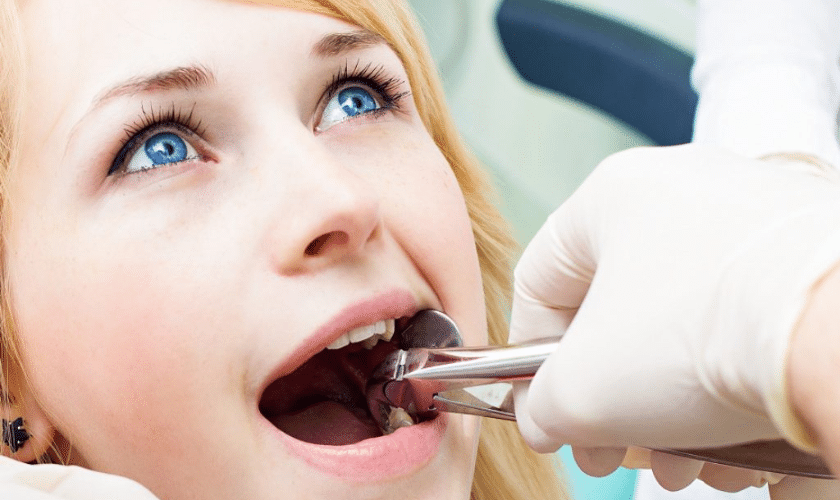
Losing a tooth can be a traumatic experience, both emotionally and physically. Not only does it impact your appearance, but it can also impact your ability to eat and speak properly. Fortunately, several options are available for replacing missing teeth, which can help restore your smile and confidence. The first step in choosing the right tooth replacement option is to consult your dentist. They will be able to assess your individual needs and recommend the best course of treatment. There are many factors to consider when choosing a tooth replacement option, including the number of teeth you need to replace, the location of the missing teeth, your budget, and your overall oral health. There are two main tooth replacement options: dental implants and dentures. Dental implants are considered the gold standard for tooth replacement because they look and function like natural teeth. However, they are also the most expensive option and require surgery to place them. Dentures are more affordable and can be removed and put back into your mouth as needed. Regardless of your tooth replacement option, it is essential to care for your new teeth properly to ensure they last for many years. Be sure to brush, and floss regularly, and see your dentist for regular checkups and cleanings.
Losing A Tooth: Causes And Consequences.
Losing a tooth can have many causes and consequences. The most common cause of tooth loss is decay, which can lead to infection and, eventually, tooth loss. Other causes of tooth loss include trauma, gum disease, and grinding. The consequences of losing a tooth can be both cosmetic and functional. Aesthetically, a missing tooth can make a person feel self-conscious about their smile. Functionally, a missing tooth can make eating and speaking difficult.
If you lose a tooth, many options are available for replacing it. Additionally, missing teeth can lead to further problems, such as misaligned teeth and jaw pain. To avoid the consequences of losing a tooth, it is essential to practice good oral hygiene and see your dentist regularly for checkups and cleanings.
The Tooth Replacement Process
The tooth replacement process begins with a consultation with your dentist to discuss the best option for you. If you have lost a tooth or are about to lose a tooth, several options are available to replace it. The most common options are dental implants, bridges, and dentures. Dental implants are the most permanent and natural-looking option available. They are also the most expensive. Dental implants are titanium posts that are surgically placed into your jawbone. Once the implants have healed, artificial teeth (crowns) are attached. Bridges are another option for replacing missing teeth. Bridges span the space where your tooth is missing and are held in place by your existing teeth. Bridges can be made from various materials, including porcelain, metal, or a combination. Dentures are the least expensive option for replacing missing teeth. Dentures are removable artificial teeth that fit over your gums. They can be complete or partial dentures, depending on how many teeth you have lost.
Replacing A Tooth: Options And Costs
There are a few different options available when it comes to replacing a missing tooth, and the cost of each option will vary depending on the case. The most common options for tooth replacement are dental implants, bridges, and dentures. Dental implants are the most expensive option but offer the most natural look and feel. The implant is placed directly into the jawbone, and a new tooth is attached. However, this option is only suitable for some, as it requires a strong jawbone to support the implant. Bridges are another popular option for replacing a missing tooth. A bridge is made up of two crowns on either side of the gap left by the missing tooth. These crowns support a false tooth in between them, which fills the gap. Bridges are less expensive than implants, but they offer different stability and natural look and feel. Dentures are the most affordable option for replacing missing teeth, but they are also the least stable and can often be uncomfortable to wear. Dentures consist of false teeth that are held in place by suction or adhesive. They can be taken out and put back in as needed, but they may slip during eating or speaking.
Caring For Your New Teeth
Caring for your new teeth is important to maintain their longevity and function. Here are some tips: -Brush your teeth twice a day with a soft-bristled toothbrush and fluoride toothpaste. -Floss daily to remove plaque and food particles from between your teeth. -Visit your dentist regularly for professional cleanings and checkups. -Avoid tobacco use, which can stain your teeth and increase your risk of gum disease. -Eat a balanced diet and limit sugary snacks to help keep your teeth healthy.
Conclusion
When it comes to replacing missing teeth, there are a number of options available to suit your individual needs. The cost of tooth replacement can also vary depending on the chosen method, so it is important to consult with your dentist to find the best solution for you. With proper care, your new teeth can last a lifetime.
FAQs about tooth replacement
1. How do I know if I need to replace a tooth ?
A : If you have lost a tooth, or if your dentist has recommended that you have a tooth extracted, then you will need to replace it. The consequences of not replacing a missing tooth can be significant, both for your oral health and for your overall health.
2. What are my options for replacing a missing tooth ?
A : There are several options available for replacing a missing tooth, including dental implants, bridges, and dentures. Your dentist will be able to advise you on the best option for you, depending on your individual circumstances.
4. How long does it take to replace a missing tooth ?
A : The length of time it takes to replace a missing tooth will also vary depending on the option you choose. Dental implants usually take the longest, while bridges and dentures can be done more quickly. Your dentist will be able to give you an estimate of the timeline for each option before you make a decision.