821 S Main St, DeForest, Wisconsin 53532
Awaken Your Calm: Unleashing the Magic of Sedation Dentistry
DeForest, WI

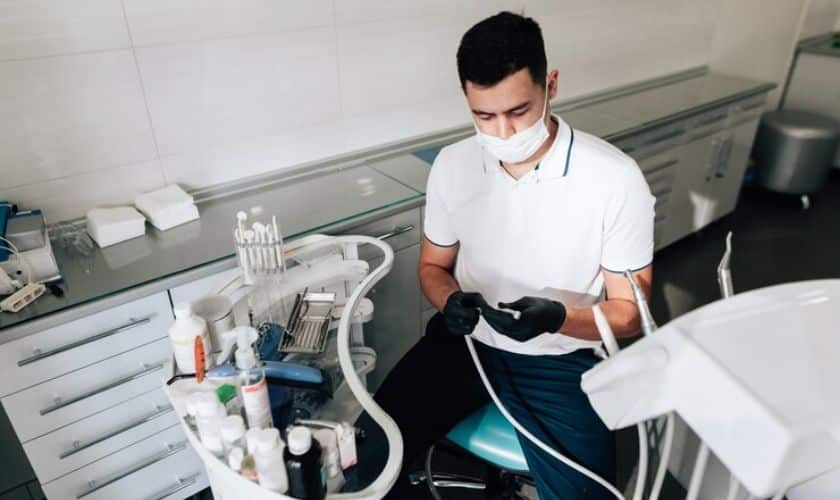
Welcome to “Awaken Your Calm: Unleashing the Magic of Sedation Dentistry,” where we explore the transformative power of sedation techniques in dental care. For those who experience dental anxiety or fear, sedation dentistry offers a gentle and calming solution. By using various sedation methods, such as oral sedation, nitrous oxide (laughing gas), or intravenous (IV) sedation, patients can experience a relaxed state during their dental procedures. This allows individuals to overcome their dental phobia, receive necessary dental treatments, and maintain their oral health with ease. Join us as we delve into the magic of sedation dentistry, empowering you to awaken your calm and enjoy a stress-free dental journey.
Sedation Dentistry: Overview
Sedation dentistry is a specialized field that aims to provide a comfortable and anxiety-free dental experience for patients. It involves the use of sedative medications to induce a relaxed state during dental procedures. There are different levels of sedation, ranging from mild to deep, depending on the individual’s needs and the complexity of the procedure. Sedation methods commonly used include oral sedation, inhalation sedation (nitrous oxide), and intravenous (IV) sedation. Sedation dentistry is beneficial for individuals with dental anxiety, phobia, or those undergoing lengthy or invasive treatments. It helps alleviate fear, reduce discomfort, and allows the dentist to work efficiently. Patient safety and comfort are prioritized throughout the sedation process.
Different options for Sedation Dentistry
1. Nitrous Oxide Sedation (Laughing Gas): This form of sedation involves inhaling a mixture of nitrous oxide and oxygen through a mask. It induces a state of relaxation and reduces anxiety during dental procedures. Nitrous oxide is safe, and its effects wear off quickly after the procedure.
2. Oral Sedation: Oral sedation involves taking a prescribed medication, typically in the form of a pill, before the dental appointment. It helps patients achieve a relaxed and calm state during treatment. The level of sedation can vary, from mild to moderate, depending on the medication and dosage.
3. Intravenous (IV) Sedation: IV sedation is administered directly into the bloodstream, allowing for a deeper level of sedation. It is typically used for more complex dental procedures or for patients with severe dental anxiety. A trained professional closely monitors IV sedation throughout the procedure.
4. General Anesthesia: General anesthesia involves a complete loss of consciousness, rendering the patient completely unaware and without memory of the procedure. It is typically reserved for extensive dental surgeries or patients with special medical considerations.
Upsides of Sedation Dentistry
1. Increased Comfort: Sedation dentistry promotes physical comfort during dental procedures. Patients experience reduced pain sensitivity, decreased gag reflex, and diminished muscle tension, allowing for a more comfortable and positive treatment experience.
2. Anxiety and Fear Relief: Sedation dentistry provides a profound sense of relaxation and helps alleviate anxiety and fear associated with dental treatments. It allows individuals with dental phobia or anxiety to receive care without distress.
3. Memory Loss: Some forms of sedation dentistry induce partial or complete memory loss during the procedure. It is beneficial for individuals who experience dental-related trauma or have difficulty coping with dental experiences, as they won’t have vivid recollections that could contribute to anxiety in the future.
4. Time Efficiency: With sedation dentistry, dentists can perform longer and more complex procedures in a single appointment. Patients can tolerate longer treatment sessions, minimizing the need for multiple visits and reducing overall treatment time.
Who should go for Sedation Dentistry?
Sedation dentistry is beneficial for several individuals, including:
1. Patients with Dental Anxiety or Phobia: Those who experience significant dental anxiety or fear can benefit from sedation dentistry. It helps them feel calm, relaxed, and more at ease during dental procedures.
2. Individuals with a Strong Gag Reflex: Some individuals have a sensitive gag reflex that can make dental treatments uncomfortable or challenging. Sedation can help suppress the gag reflex, allowing for more comfortable dental care.
3. Patients with Complex Dental Procedures: Sedation dentistry is suitable for individuals undergoing complex or lengthy dental procedures. It helps them remain comfortable and cooperative throughout the treatment, allowing dentists to work efficiently.
4. People with Special Needs or Physical Limitations: Sedation dentistry can benefit individuals with special needs, developmental disabilities, or physical limitations. It helps ensure their comfort and cooperation during dental treatments, facilitating necessary oral care.
It’s important to consult with a qualified dentist to assess individual dental and medical history, discuss specific needs and concerns, and determine the most appropriate sedation option for each individual.
FAQs
1. Is sedation dentistry safe?
Sedation dentistry is typically deemed safe when administered by a dentist. Your Madison dentist will thoroughly assess your medical history, current health condition, and medications to ascertain the suitable sedation method and dosage. Continuous monitoring of your vital signs throughout the procedure guarantees your safety and overall well-being.
2. Will I be unconscious during the procedure?
The level of sedation can vary depending on the specific sedation technique used. With mild to moderate sedation, you will typically remain conscious and responsive but in a deeply relaxed and calm state. Deep sedation or general anesthesia may be used for more complex procedures, during which you may be in a state of temporary unconsciousness.
3. How long does the sedation effect last?
The duration of sedation effects depends on the type of sedation used. Nitrous oxide (laughing gas) wears off quickly, allowing you to resume normal activities shortly after the procedure. Oral or IV sedation may have a longer-lasting effect, and you may require some time to recover from the sedative’s effects before resuming regular activities.
4. Will I feel any pain during the procedure with sedation?
Sedation dentistry aims to ensure your comfort and minimize any pain or discomfort during the dental procedure. Local anesthesia is typically administered alongside sedation to ensure that the treated area is numb and pain-free. Your dentist will communicate with you during the procedure to ensure your comfort level and address any concerns.
Remember, it’s important to discuss any specific questions or concerns you have about sedation dentistry with your dentist, as they can provide personalized information based on your unique situation.
sedation dentistry offers a transformative solution for individuals with dental anxiety, fear, or specific needs. By providing a relaxed and comfortable dental experience, sedation dentistry promotes patient well-being, improves access to necessary treatments, and enhances overall oral health. Consult with a qualified dentist to explore the benefits of sedation dentistry for your unique dental needs.