

821 S Main St, DeForest, Wisconsin 53532

Breaking Free: The Power of Tooth Extraction Unleashed
DeForest, WI

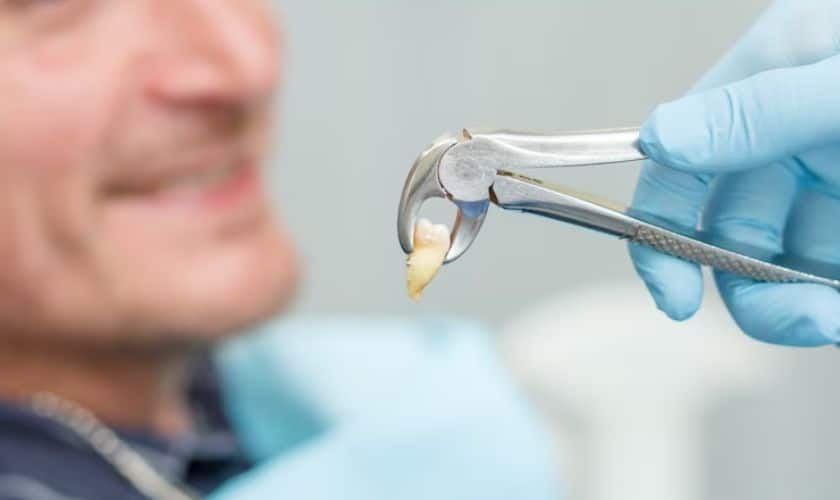
Welcome to “Breaking Free: The Power of Tooth Extraction Unleashed,” a captivating exploration into the transformative journey of dental liberation. Tooth extraction, often seen as a daunting procedure, holds within it the potential to set your smile free from pain, infection, and oral limitations. In this guide, we delve into the intricacies of tooth extraction, unravelling its hidden power and revealing the remarkable impact it can have on your oral health and overall well-being. With insights from dental professionals and personal stories of transformation, we invite you to embrace the journey of dental liberation and discover the profound power that lies within a newly liberated smile.
Tooth Extraction: Overview
Tooth extraction is a dental procedure that involves the removal of a tooth from its socket in the jawbone. It is typically performed by a dentist or oral surgeon for various reasons. Common reasons for tooth extraction include severe tooth decay, advanced gum disease, impacted wisdom teeth, overcrowding, or preparation for orthodontic treatment. The procedure is typically done under local anaesthesia, and in more complex cases, sedation or general anaesthesia may be used. After extraction, proper aftercare is necessary to promote healing and prevent complications. Tooth extraction can alleviate pain, prevent further dental problems, and contribute to improved oral health and overall well-being.
Indications For Tooth Extraction
Indications for tooth extraction can vary depending on individual circumstances and dental conditions. Here are five common indications for tooth extraction:
1. Severe Tooth Decay: When tooth decay reaches an advanced stage, causing extensive damage to the tooth structure, extraction may be necessary to prevent the spread of infection and preserve oral health.
2. Impacted Wisdom Teeth: Wisdom teeth, also known as third molars, can become impacted or grow in a misaligned manner. Impacted wisdom teeth can cause pain, infection, damage to adjacent teeth, or contribute to overcrowding, often requiring extraction.
3. Advanced Gum Disease: In cases where gum disease (periodontitis) has caused significant damage to the supporting structures of a tooth, extraction may be considered to remove the affected tooth and prevent further infection or complications.
4. Orthodontic Treatment: Tooth extraction can be recommended as part of orthodontic treatment to create space for proper teeth alignment, especially in cases of overcrowding or protrusion.
5. Fractured or Traumatized Teeth: Teeth that have experienced significant trauma or fractures may need to be extracted if they cannot be effectively restored or repaired, to prevent infection and maintain oral health.
Consulting with a Madison dentist is crucial to assess whether a tooth extraction aligns with individual circumstances and oral health requirements.
The Process Of Tooth Extraction
1. Dental examination: The dentist will thoroughly examine and take X-rays to evaluate the tooth’s condition and surrounding structures.
2. Anesthesia: Local anaesthesia will be administered to numb the area around the tooth to ensure a comfortable and painless procedure.
3. Tooth removal: The dentist will use specialized instruments to carefully loosen and extract the tooth. In some cases, a surgical extraction may be required if the tooth is impacted or difficult to remove.
4. Socket preservation: After extraction, the dentist may perform socket preservation techniques to promote proper healing and prevent bone loss in the extraction site.
5. Post-operative care: The patient will be given instructions on how to care for the extraction site, including pain management, eating restrictions, and oral hygiene practices.
6. Follow-up appointment: A follow-up appointment may be scheduled to monitor the healing process and address any concerns or complications.
Positive Outcomes of Dental Extraction
Positive outcomes of dental extraction can vary depending on individual circumstances and dental conditions. Here are five common positive outcomes associated with dental extraction:
1. Relief from Pain: Dental extraction can alleviate severe toothache caused by advanced tooth decay, infection, or trauma, providing immediate relief and improving overall oral comfort.
2. Elimination of Infection: Extraction removes infected teeth that cannot be effectively treated or pose a risk of spreading the infection to neighbouring teeth or gums, helping to eliminate the source of infection and promoting oral health.
3. Prevention of Further Complications: Extracting damaged or problematic teeth can prevent the spread of infection, damage to adjacent teeth, or the development of more severe oral health complications.
4. Improved Orthodontic Treatment: Dental extraction can create space in overcrowded mouths, facilitating orthodontic treatment by allowing for proper teeth alignment and achieving better overall results.
5. Restoration of Oral Health: By removing teeth that are severely damaged, decayed, or infected, dental extraction contributes to the restoration of oral health, enabling a fresh start and paving the way for further dental treatments or prosthetic solutions.
It’s important to consult with a dentist to assess the specific benefits and considerations of dental extraction in your particular case, as individual circumstances may vary.
In conclusion, tooth extraction serves as a valuable solution for various dental concerns, providing relief from pain, eliminating infection, and restoring oral health. While it may seem daunting, it offers the potential for improved oral function, enhanced aesthetics, and the opportunity for a fresh start in oral care.
FAQs
1. Is tooth extraction painful?
It is typically performed under local anaesthesia, ensuring that the area being treated is numb and minimizing discomfort during the procedure. While you may feel pressure or pulling sensations, you should not experience pain. Your dentist may also prescribe pain medication or recommend over-the-counter pain relievers to manage any discomfort during the healing process.
2. How long does it take to recover from a tooth extraction?
Recovery time can vary depending on the complexity of the extraction and individual healing factors. In general, it takes a few days to a week for the initial healing to occur. However, complete healing of the extraction site may take several weeks. Your dentist will provide specific aftercare instructions to promote healing and minimize complications.
3. What can I eat after a tooth extraction?
Following a tooth extraction, it’s recommended to stick to a soft or liquid diet for the first day or two to avoid dislodging the blood clot that forms in the extraction site. You can gradually introduce semi-soft foods as tolerated. It’s important to avoid hot or spicy foods, hard and crunchy foods, and use a straw to prevent complications and aid in the healing process.
Remember, it’s best to consult with your dentist or oral surgeon for personalized advice regarding your specific tooth extraction procedure and post-operative care.