
821 S Main St, DeForest, Wisconsin 53532
Importance of Emergency Dental Care: When You Need It and Why
DeForest, WI

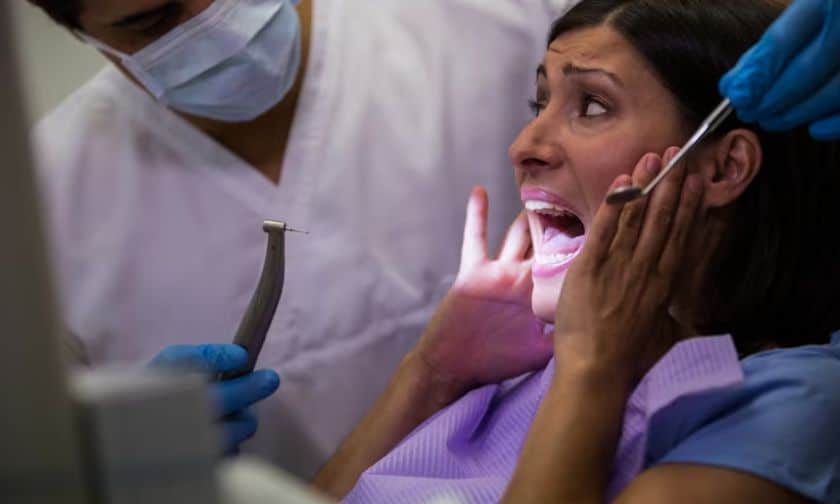
Dental emergencies can be painful, frightening, and sometimes life-threatening. Whether it’s a severe toothache, a broken tooth, or a knocked-out tooth, it’s essential to know when emergency dental services are needed and why it’s crucial for patients of all ages.
In this blog post, we’ll discuss the latest information on emergency dental care and why you must seek professional help as soon as possible. We’ll also provide effective tips on preventing dental emergencies, followed by answers to frequently asked questions on emergency dentistry.
What is Emergency Dental Care?
Emergency dental care refers to treatments requiring immediate attention due to sudden trauma, severe pain, or life-threatening conditions. Dental emergencies can occur anytime, so you need prompt treatment to prevent further damage and pain. Emergency dental services include but are not limited to personalized treatment plans for toothache, lost or broken teeth, gum infections, and cracked teeth.
When Do You Need Emergency Dental Services?
Dental emergencies can occur with or without prior warning signs. Dentists always recommend immediate treatments to prevent further damage and pain. Some common dental emergencies include:
- Severe toothache
- Broken or knocked-out tooth
- Bleeding gums
- Abscess or infection
- Lost or broken filling or crown
- Jaw injury or pain
If you experience any of these symptoms, it’s essential to seek professional help as soon as possible. Delaying treatment can result in more severe and expensive problems later on.
Is Emergency Dental Care Important for Patients of All Ages?
Emergency dental care is equally essential for children, teens, and adults because emergencies can occur at any time, regardless of age or dental history. However, dental emergencies can be particularly traumatic for children, as they may not understand what is happening or how to manage the pain. At the same time, dental emergencies can be life-threatening for seniors, as they may have underlying medical conditions that make them more susceptible to infections and other complications.
This is where emergency dental services come into the picture, which can prevent further damage to the teeth and gums. Thus, reduce the risk of infection, and relieve pain and discomfort. By seeking professional help at the earliest, patients can improve their chances of saving their teeth and avoiding more severe dental problems.
Few Tips to Prevent Dental Emergencies
While dental emergencies can occur suddenly, some steps can be taken to prevent them. These include:
- Practicing good oral hygiene, such as brushing and flossing regularly
- Avoiding hard foods and candies that can damage the teeth
- Wearing a mouthguard during sports activities
- Seeing a dentist regularly for checkups and cleanings
- Avoiding smoking and excessive alcohol consumption
Dental emergencies can be frightening, painful, and sometimes life-threatening. Therefore, it’s essential to know when emergency dental services are needed and to seek professional help as soon as possible to prevent further damage, infection, and pain.
Additionally, practicing good oral hygiene, wearing a mouthguard during physical activities, and seeing your dentist regularly can help prevent dental emergencies. By taking proactive steps to maintain your oral health and consulting an emergency dentist, you can minimize the risk of dental emergencies and improve your overall well-being.
So, prioritize your oral health and seek emergency dental care for quick relief from pain and discomfort.
FAQs on Emergency Dental Care
What should I do in a dental emergency?
Seek professional help as soon as possible. Call your dentist or go to the emergency room if necessary.
Can a knocked-out tooth be saved?
Yes, a knocked-out tooth can be saved if you act quickly. First, rinse the tooth with water, place it back in the socket, and hold it with gentle pressure. Then, visit an emergency dentist for prompt care if necessary.
What to do in case of a severe toothache?
Rinse your mouth with warm water, floss gently to remove any food particles, and take pain medication if necessary. Contact your dentist for further treatment.
What if I have a dental emergency while traveling?
Try to locate a dentist in the area or contact your regular dentist for recommendations. If you cannot find a dentist, you can visit the local emergency room for help.
Can everyone afford emergency dental care?
Some dental offices offer payment plans or financing options to help patients cover the cost of emergency dental care. Additionally, your area may have low-cost or free dental clinics that provide emergency services. Contact your local health department or dental association for more information.