
821 S Main St, DeForest, Wisconsin 53532
Embrace the Brilliance: Discover the Radiance of Dental Crowns
DeForest, WI

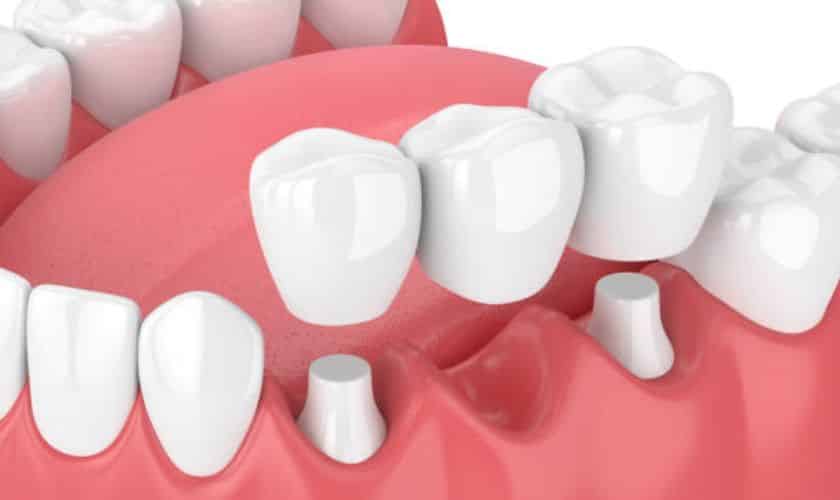
Welcome to “Embrace the Brilliance: Discover the Radiance of Dental Crowns,” a captivating journey into the world of dental restoration. Dental crowns, also known as caps, are custom-made coverings that encase damaged or discolored teeth, providing strength, protection, and aesthetic enhancement. In this guide, we invite you to explore the transformative power of dental crowns and unlock the radiance they can bring to your smile. From their durable materials to their natural-looking appearance, dental crowns offer a versatile solution to restore the form, function, and beauty of your teeth. Join us as we delve into the artistry and science behind dental crowns, empowering you to embrace a brilliant smile with confidence.
Dental Crowns: Overview
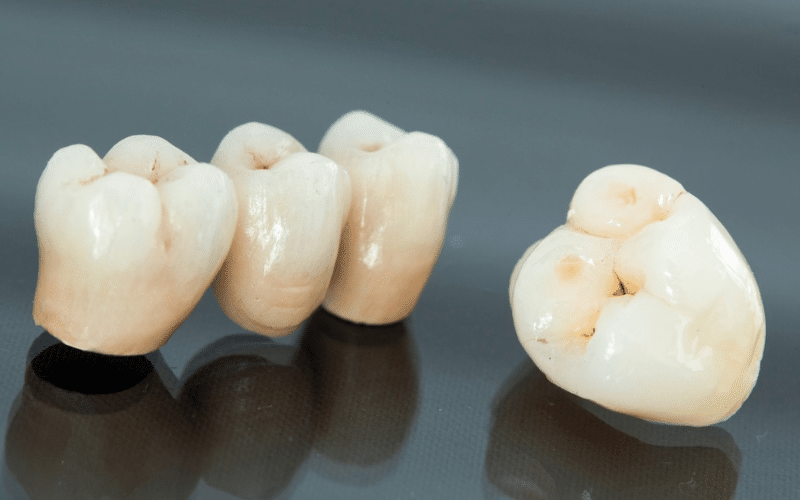
Dental crowns, also known as dental caps, are custom-made restorations that cover and encase a damaged or weakened tooth. They are designed to restore the tooth’s shape, size, strength, and appearance. Crowns are typically recommended for teeth with extensive decay, fractures, large fillings, or after root canal treatment. They can also be used for cosmetic purposes to enhance the appearance of misshapen or discolored teeth. Dental crowns are fabricated from various materials, including porcelain, ceramic, metal alloys, or a combination of materials. The process involves preparing the tooth, taking impressions, and placing a temporary crown before the permanent restoration is created and fitted. Dental crowns provide long-lasting protection and can significantly improve the function and aesthetics of your smile.
Different types of Dental Crowns
1. Porcelain Crowns: These crowns are made of porcelain material that closely resembles the natural color and translucency of teeth, providing a highly aesthetic result.
2. Ceramic Crowns: Ceramic crowns are known for their excellent durability and natural appearance. They are often used for front teeth restorations.
3. Metal Crowns: Metal crowns, such as gold or silver alloy crowns, are known for their strength and longevity. They are ideal for back teeth restorations where aesthetics is not a primary concern.
4. Porcelain-fused-to-Metal (PFM) Crowns: These crowns combine the strength of a metal base with a porcelain overlay, providing both durability and a natural appearance.
5. Zirconia Crowns: Zirconia crowns are highly durable and offer excellent aesthetic results. They are known for their strength and resistance to chipping or cracking.
6. Composite Resin Crowns: These crowns are made of a tooth-colored composite resin material, providing a more affordable option for tooth restoration with good aesthetics.
7. Temporary Crowns: Temporary crowns are typically made of acrylic or stainless steel and are used to protect the tooth while the permanent crown is being fabricated.
Candidacy For Dental Crowns
Candidacy for dental crowns is determined by several factors, and it is best assessed by a dentist. Here are four common considerations for candidacy:
1. Extensive Tooth Damage: They are suitable for individuals with teeth that have significant decay, fractures, or large fillings. If the tooth structure is compromised to the extent that a filling alone cannot provide sufficient support, a crown may be recommended.
2. Root Canal Treated Teeth: Teeth that have undergone root canal treatment are often weakened and require additional protection. Dental crowns can provide the necessary strength and support to prevent further damage and restore functionality.
3. Cosmetic Enhancements: They can be used for cosmetic purposes to improve the appearance of misshapen, discolored, or severely stained teeth. Candidates seeking aesthetic improvements can benefit from the natural-looking and aesthetically pleasing results crowns provide.
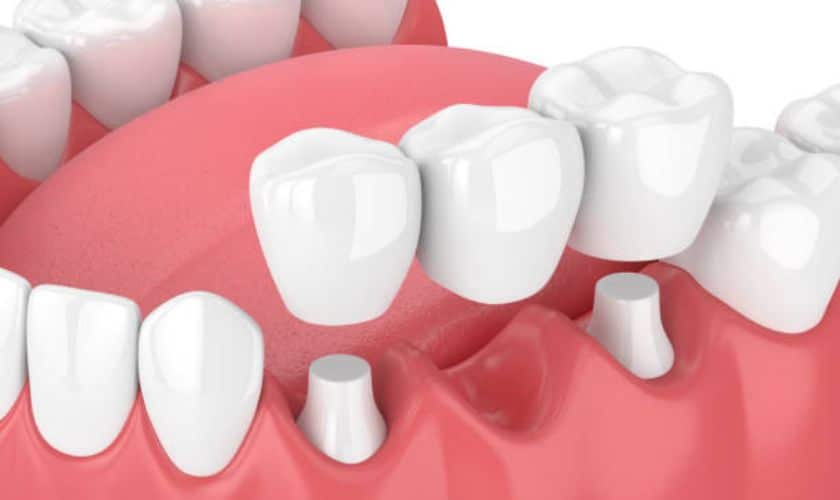
4. Tooth Restoration: Crowns are also used to restore dental implants or anchor dental bridges. They serve as durable and stable structures that blend seamlessly with existing teeth, filling gaps and restoring a complete and functional smile.
It’s important to consult with a dentist to assess your individual dental condition and determine whether dental crowns are the appropriate treatment option for your specific needs.
Positive Aspects of Dental Crowns
Benefits of dental crowns include:
1. Restoring Tooth Function: Dental crowns provide strength and stability to weakened or damaged teeth, allowing individuals to chew and bite comfortably. They can restore proper tooth function, enabling the enjoyment of a wide variety of foods.
2. Enhancing Aesthetics: Crowns can improve the appearance of teeth by addressing issues such as discoloration, misalignment, or irregular shape. They are custom-made to match the color, size, and shape of existing teeth, resulting in a natural and aesthetically pleasing smile.
3. Offering Durability: It are durable and long-lasting, with the potential to withstand daily wear and tear. They can protect and preserve the remaining tooth structure, preventing further damage and the need for more extensive dental procedures in the future.
4. Providing Protection: Crowns act as a protective barrier for weak or vulnerable teeth, shielding them from further decay, fractures, or damage. They help to reinforce the tooth structure, minimizing the risk of tooth loss and preserving oral health.
Consulting with a Madison dentist is essential to assess whether dental crowns align with your dental needs and goals.
Tips For Maintaining Your New Smile
Maintaining dental crowns is essential for their longevity and optimal oral health. Here are four key points to consider:
1. Good Oral Hygiene: Practice regular and thorough oral hygiene habits, including brushing your teeth twice a day with a soft-bristled toothbrush and fluoride toothpaste. Floss daily to remove plaque and debris from around the crown and gumline. Proper oral hygiene helps prevent decay and gum disease that can compromise the longevity of the crown.
2. Avoid Excessive Force: Avoid biting down on hard objects like ice, pens, or fingernails, as it can damage the crown or cause it to become loose. If you grind your teeth at night, your dentist may recommend a mouth guard to protect both your natural teeth and the crown from excessive force.
3. Watch Your Diet: Be mindful of your diet and avoid excessive consumption of sticky or hard foods that can potentially dislodge or damage the crown. Also, limit your intake of sugary foods and beverages to prevent tooth decay around the crown margins.
4. Regular Dental Check-ups: Visit your dentist for regular check-ups and professional cleanings. Your dentist will examine the condition of the crown, assess the fit, and identify any signs of wear or damage. Professional cleanings help remove plaque and tartar buildup, ensuring the longevity of both the crown and your natural teeth.
Following these guidelines and maintaining a good oral care routine will help keep your dental crowns in excellent condition, promoting their durability and contributing to your overall oral health.
In conclusion, dental crowns offer a versatile and effective solution for restoring damaged or compromised teeth. With their ability to enhance both function and aesthetics, it provide benefits such as improved chewing ability, natural-looking appearance, durability, and protection. Consulting with a dentist can determine the suitability of dental crowns for individual dental needs, leading to a healthier and more confident smile.