821 S Main St, DeForest, Wisconsin 53532
Dental Implant Recovery Timeline in Windsor, WI
DeForest, WI
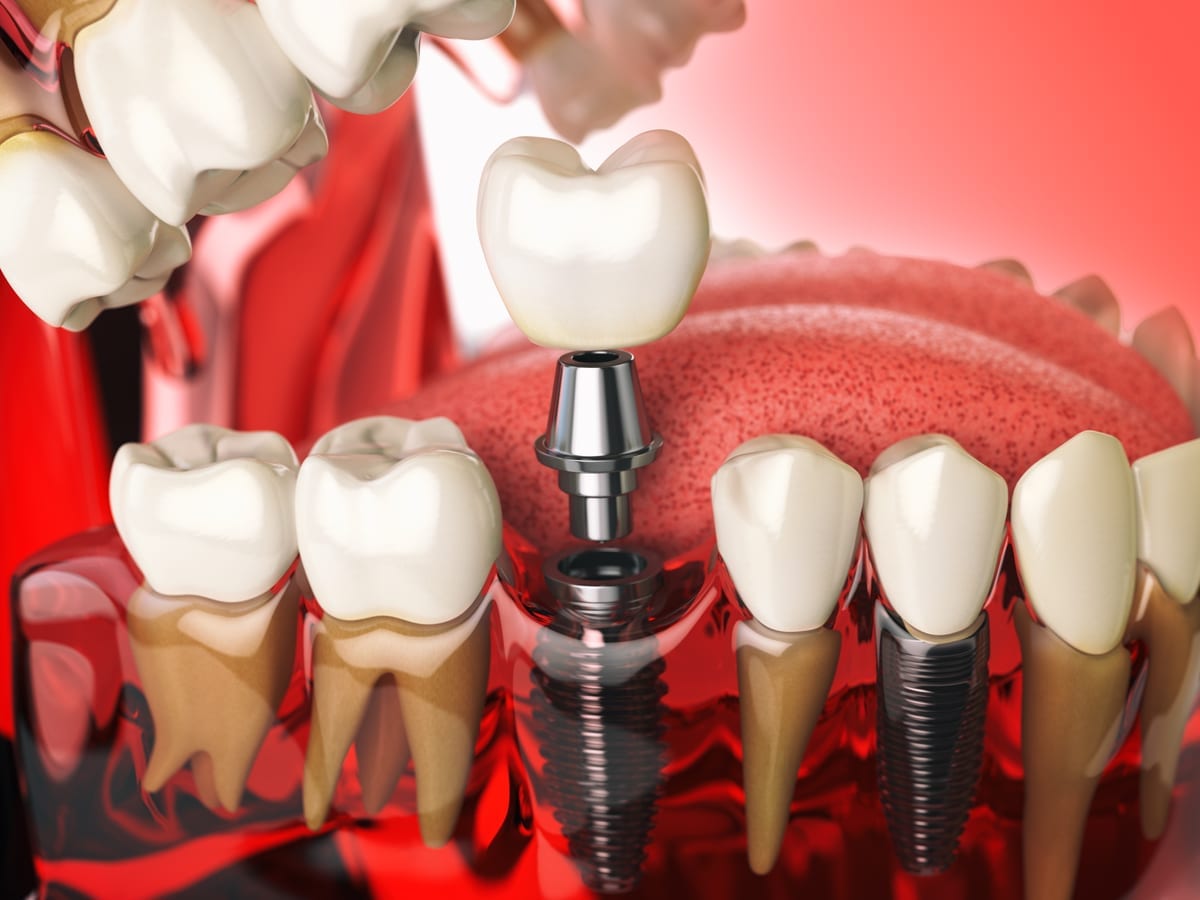
Understanding what to expect during dental implant recovery — a complete timeline Windsor patients can follow — makes the entire process far less stressful. Recovery after implant placement involves several distinct phases. Each phase requires specific care to ensure your implant heals properly. Dr. Charles Lau at Wisconsin Dental Wellness in DeForest serves patients throughout Windsor, WI, and wants you to feel fully prepared before your procedure.
Dental implants are a cornerstone of modern Restorative Dentistry. They replace missing teeth with a permanent, natural-looking solution. But the success of your implant depends heavily on how well you recover. This guide walks you through every stage of that journey.
The First 24 to 72 Hours: What Happens Right After Placement
The first three days after implant surgery are the most intense part of recovery. Swelling, tenderness, and minor bleeding are completely normal. Your body is beginning the healing process around the implant site. Most patients find this phase manageable with the right preparation.
Here is what you should do in the first 72 hours:
- Apply an ice pack to your cheek for 20 minutes on, 20 minutes off
- Take prescribed or over-the-counter pain relievers as directed
- Rest as much as possible and avoid strenuous activity
- Sleep with your head slightly elevated to reduce swelling
- Avoid rinsing or spitting forcefully for the first 24 hours
Bleeding should slow significantly within the first few hours. If it does not, bite down gently on a gauze pad. Contact our office right away if bleeding seems excessive or does not stop. Do not ignore warning signs during this critical window.
Week One Through Two: Managing Discomfort and Your Diet
During the first two weeks, your focus shifts to managing discomfort and eating carefully. The implant site will still be tender and sensitive. Your gum tissue will begin to close around the implant. Sticking to soft foods during this period protects the surgical area.
Foods that are safe and comfortable to eat include:
- Yogurt, pudding, and applesauce
- Mashed potatoes, scrambled eggs, and oatmeal
- Smoothies without seeds or hard mix-ins
- Soft fish, avocado, and cooked vegetables
- Soup with soft ingredients — avoid extremely hot temperatures
Avoid hard, crunchy, or chewy foods entirely during this phase. Do not eat anything sticky or sharp that could disturb the implant site. Carbonated beverages and alcohol should also be avoided. These choices protect your healing tissue and reduce infection risk.
Oral hygiene still matters during recovery. Gently brush your teeth, but avoid the surgical area for the first few days. After 24 hours, you can rinse with warm salt water. Dr. Lau may also prescribe an antibacterial rinse for added protection.
Weeks Three Through Twelve: Osseointegration and Long-Term Healing
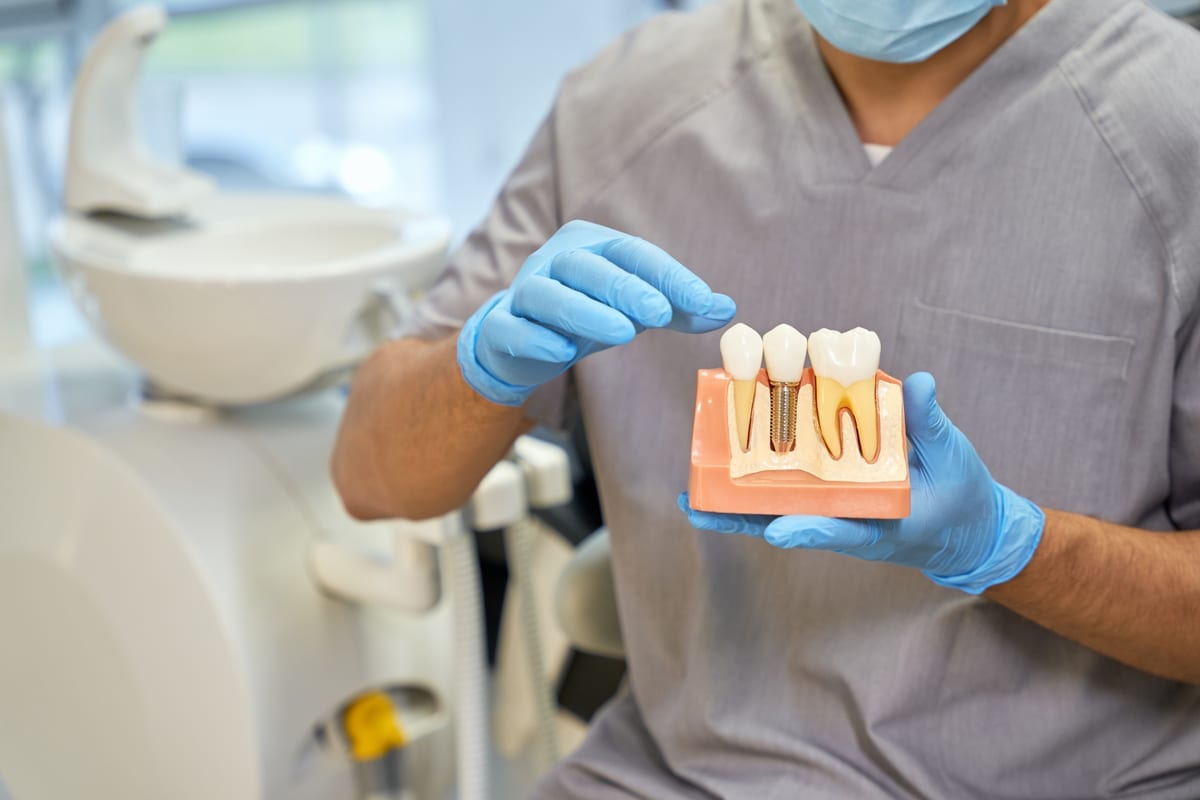
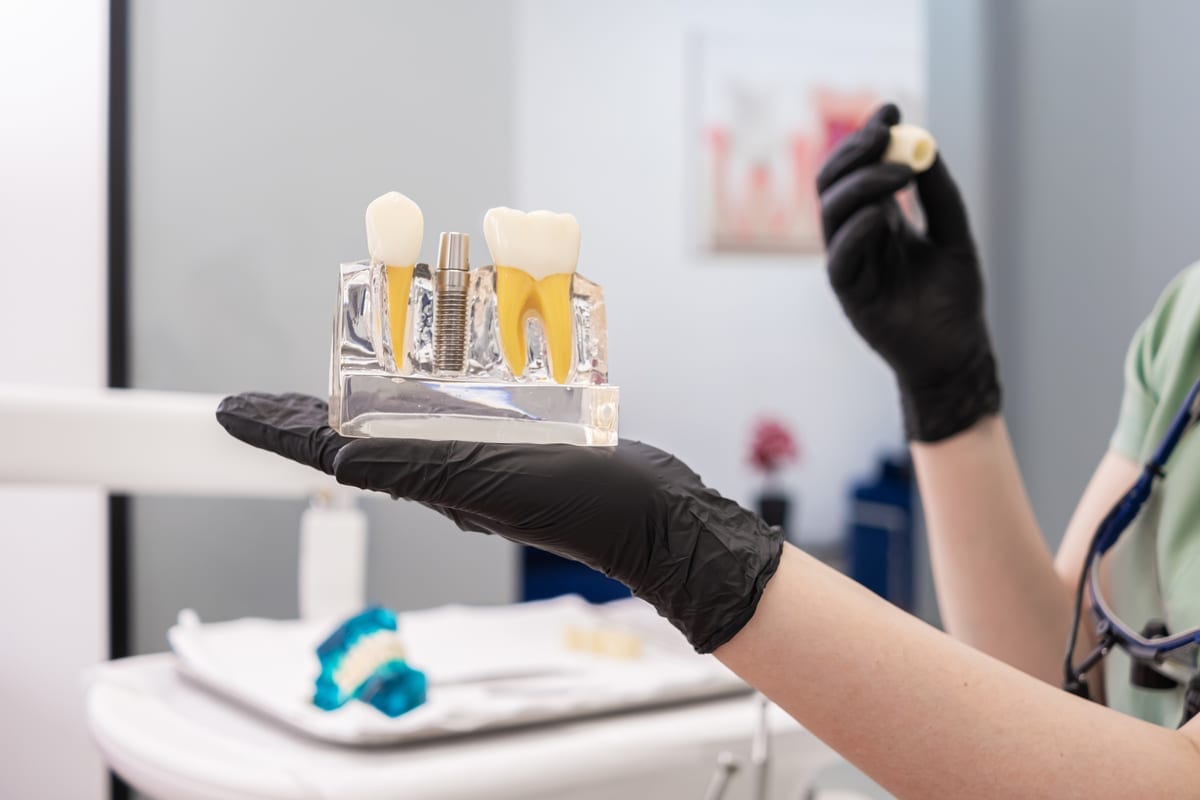
The most important phase of implant recovery happens beneath the surface. Osseointegration is the process where your jawbone fuses with the titanium implant post. This phase takes anywhere from six weeks to several months. It is the foundation of your implant’s long-term stability.
Most Windsor patients notice significant improvement in comfort by week three. Swelling is gone, and everyday activities feel normal again. You can gradually reintroduce more foods into your diet. However, it is still important to avoid biting directly on the implant site until osseointegration is complete.
Signs that osseointegration is progressing well include:
- Reduced sensitivity at the implant site over time
- No persistent pain, swelling, or discharge
- Feeling of stability when you bite or chew near the area
- Your follow-up X-rays showing healthy bone growth around the post
If you experience ongoing pain, looseness, or signs of infection, contact Wisconsin Dental Wellness immediately. These could be signs of implant failure, which is rare but treatable when caught early. Regular check-in appointments during this phase help Dr. Lau monitor your healing closely.
Long-Term Implant Care: Protecting Your Investment in Windsor
Once osseointegration is complete, your dentist will place the final crown. At this point, your implant looks, feels, and functions like a natural tooth. This is an exciting milestone — but long-term care is still essential. Implants can last a lifetime with the right habits.
Daily care for your implant should include:
- Brushing twice daily with a soft-bristle toothbrush
- Flossing around the implant using implant-specific floss or a water flosser
- Avoiding tobacco products, which increase the risk of implant failure
- Wearing a night guard if you grind your teeth
- Scheduling routine cleanings and exams every six months
Routine dental care is not just for natural teeth. Professional cleanings remove plaque and tartar that build up around implants. Regular exams allow Dr. Lau to spot early signs of peri-implantitis, a gum condition that can affect implant stability. Windsor patients who keep up with preventive visits enjoy far better long-term outcomes.
Implant care connects naturally to your overall oral health. Our team at Wisconsin Dental Wellness also provides comprehensive Family Dentistry services. We make it easy for the whole family to receive care in one convenient location. Healthy habits at home, combined with professional support, give your implant the best possible foundation.
When to Call Your Dentist During Implant Recovery
Most implant recoveries go smoothly with proper care. However, certain symptoms always warrant a call to your dentist. Knowing these signs helps you act quickly when something feels off. Early intervention prevents small issues from becoming major problems.
Contact Wisconsin Dental Wellness right away if you experience:
- Severe or worsening pain that does not respond to medication
- Swelling that increases after the first three days instead of decreasing
- A fever above 101°F
- Pus or discharge around the implant site
- The implant feeling loose or unstable
- Numbness that persists beyond the first day
These symptoms are uncommon, but they signal that your body needs extra support. Dr. Lau and our Windsor-area team take every concern seriously. We are here to guide you through every stage of recovery with confidence and care.
Conclusion: You Are in Good Hands at Wisconsin Dental Wellness
Dental implant recovery is a journey with clear, predictable stages. When you know what to expect, each phase feels manageable instead of overwhelming. Following your care instructions and attending all follow-up appointments gives your implant the best chance of lasting success. Dr. Charles Lau and the team at Wisconsin Dental Wellness are proud to support Windsor patients every step of the way. Book Now to schedule your appointment with our team.
Frequently Asked Questions
How long does dental implant recovery typically take?
Most patients feel comfortable within two weeks of implant placement. However, full osseointegration — the bone fusing with the implant post — takes anywhere from six weeks to several months. Your final crown is usually placed once this process is complete. Everyone heals at a slightly different pace depending on overall health and bone density.
Is pain after dental implant surgery normal?
Yes, mild to moderate discomfort is completely normal in the first few days after surgery. Most patients manage well with over-the-counter pain relievers or prescribed medication. Swelling typically peaks around day two or three, then gradually decreases. Severe or worsening pain after the first week should be reported to your dentist right away.
What foods should I avoid during implant recovery?
In the first two weeks, avoid hard, crunchy, sticky, or chewy foods. These include chips, raw vegetables, hard candy, and chewy meats. Extremely hot foods and beverages can also irritate the healing tissue. Stick to soft, nutrient-rich foods that support healing without putting stress on the surgical site.
Can I brush my teeth after getting a dental implant?
Yes, but with care. Avoid brushing directly on the surgical area for the first 24 to 48 hours. After that, gently clean surrounding teeth with a soft-bristle toothbrush. Once the area begins to heal, you can carefully clean around the implant site as directed by Dr. Lau. Good oral hygiene is essential to prevent infection and support healing.
How do I know if my dental implant is failing?
Warning signs of implant complications include persistent pain, swelling that worsens over time, a loose-feeling implant, and discharge or pus around the site. A fever or unusual numbness can also indicate a problem. If you notice any of these symptoms, contact Wisconsin Dental Wellness immediately. Caught early, most complications can be addressed successfully.