821 S Main St, DeForest, Wisconsin 53532

The Science Behind Teeth Whitening: How It Works
DeForest, WI


Do you feel self-conscious about your smile because of stained or discolored teeth? You’re not alone. Many people wish they had a brighter, more confident smile. Thankfully, there is a solution that can help transform your dull teeth into pearly whites: teeth whitening! But how does it work? In this article, we’ll take a deep dive into the science behind teeth whitening and explore the different methods available for achieving a brighter, more dazzling smile. Get ready to discover the secrets to a whiter smile and boost your confidence today!
Teeth Whitening Process
- The teeth whitening process involves the removal of stains and discolouration from the surface of your teeth. Teeth can become discoloured due to several factors, such as ageing, smoking, drinking coffee or tea, and poor oral hygiene. The process typically involves two steps: removing surface stains through a cleaning procedure and applying a bleaching agent to whiten the teeth.
- The first step in the whitening process is to remove any plaque buildup on your teeth through professional cleaning by a dentist or dental hygienist. This will help ensure that all tooth surfaces are evenly exposed to the bleaching agent for maximum effectiveness.
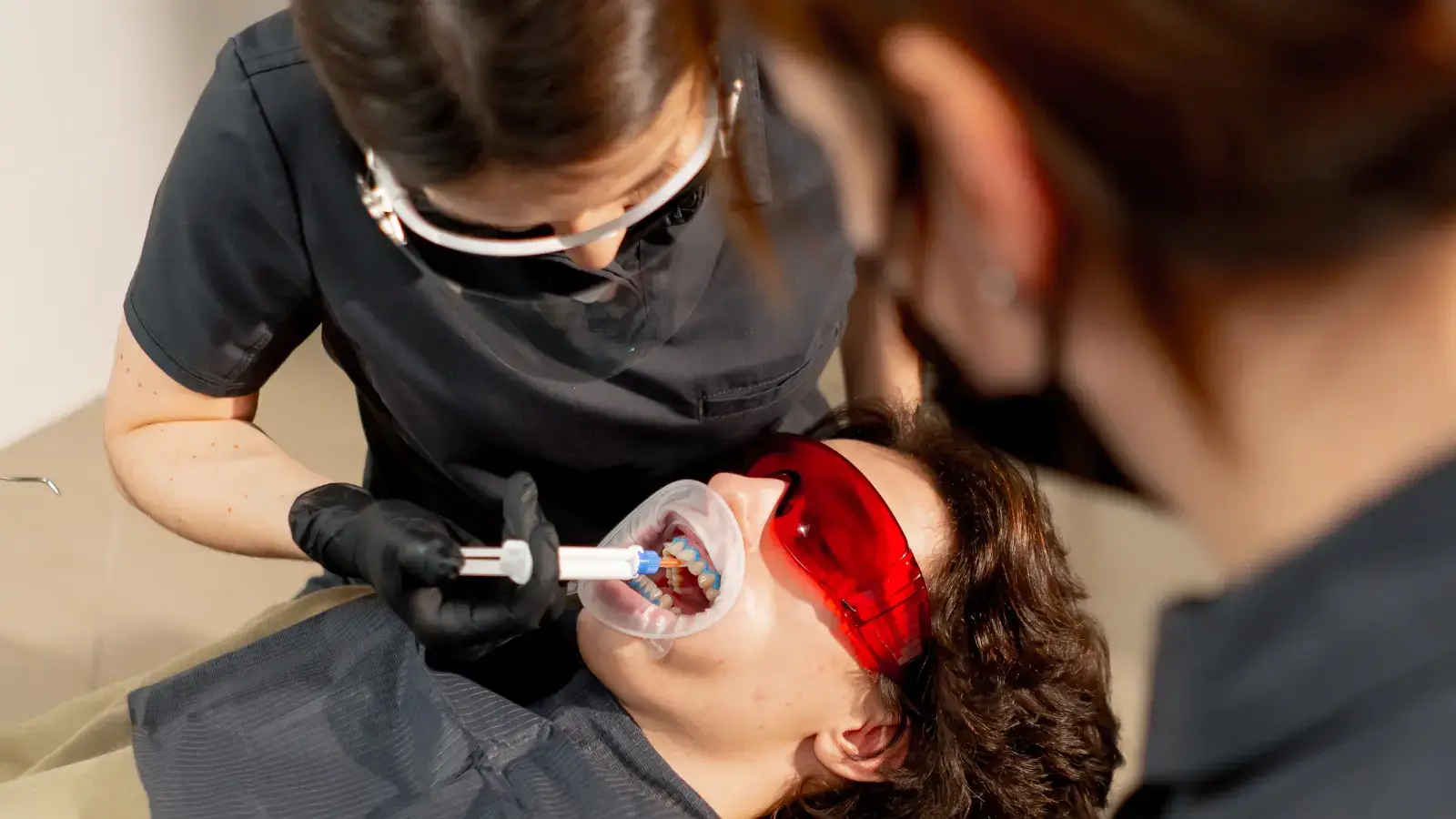
- Next comes the application of a hydrogen peroxide-based gel or solution directly onto your teeth using customized trays that fit over your upper and lower arches. These trays keep the gel in contact with your teeth while allowing you to go about your daily activities comfortably.
- Depending on how severe the discolouration is, you may need multiple treatments over several weeks before achieving optimal results. After each treatment session, you should avoid consuming dark-coloured beverages and foods for at least 24 hours to prevent staining again.
- Although there are different methods available for whitening your smile at home or professionally at clinics like Smile Direct Club or other dental offices; it’s important always consult with an experienced dentist before starting any whitening treatment plan as they can recommend what’s best for you based on their knowledge and expertise!
Source: Dental Marketing Expert
How Does Teeth Whitening Work?
- Teeth whitening has become a popular cosmetic procedure for those who want to have a brighter and more confident smile. But how does teeth whitening work?
- Firstly, it’s important to understand that there are different types of teeth whitening methods available, including in-office treatments and at-home kits. Despite the differences in application techniques, all teeth whitening procedures aim to remove stains on the surface of the enamel.
- The active ingredient in most teeth-whitening products is hydrogen peroxide or carbamide peroxide. These chemicals break down into oxygen molecules that penetrate through the pores of the enamel and reach deep into the dentin layer. The oxygen then breaks apart discoloured molecules so they can be easily removed from your tooth structure.
- It’s also crucial to note that not all stains respond equally well to these treatments. Surface-level stains caused by dark-coloured foods or drinks tend to be easier to treat than deeper intrinsic staining caused by genetics or certain medications.
- While teeth whitening results are not permanent as new stains will eventually accumulate over time, many people enjoy their brightened smiles for up to six months before needing another touch-up treatment.
- Understanding how teeth whiteners work helps individuals make informed decisions about which method is best suited for them based on their unique needs and preferences.
Different Types of Teeth Whitening
- There are different types of teeth whitening methods that you can choose from depending on your preference, budget, and the level of discoloration in your teeth. One option is to use over-the-counter whitening products such as toothpaste, strips, or gels. These products usually contain hydrogen peroxide or carbamide peroxide which helps to remove surface stains.
- Another type of teeth whitening method is professional bleaching done by a dentist using stronger concentrations of hydrogen peroxide or carbamide peroxide. This method provides quicker results compared to over-the-counter products.
- Laser teeth whitening is another option where a laser beam is used to activate the bleaching agent applied onto the surface of the teeth. The heat generated by the laser accelerates the process for faster results.
- One more popular type of treatment involves custom-made trays filled with a higher concentration of bleach that are worn overnight for several weeks. This approach offers long-lasting results but requires commitment and patience for achieving desired outcomes.
- It’s crucial to consult with your dentist first before opting for any form of treatment since they will evaluate your dental health condition and recommend what suits you best.
Benefits of Teeth Whitening
- Having a brighter, whiter smile is not just about aesthetics or vanity – there are actual benefits to teeth whitening that go beyond the surface level. Here are some of the advantages of undergoing this cosmetic procedure:
- Firstly, having a white smile can boost your confidence and self-esteem. When you feel good about your appearance, it shows in how you carry yourself and interact with others.
- Secondly, teeth whitening can make you look younger and more vibrant. As we age, our teeth are naturally yellow or become discoloured due to factors like food and drink stains or smoking. Whitening treatments can reverse these effects and help turn back the clock on your appearance.
- Thirdly, having clean-looking teeth promotes better oral hygiene habits such as brushing regularly to maintain that bright smile.
- Many people find that they receive positive feedback from friends, family members, or colleagues after they’ve undergone teeth whitening treatment which boosts their overall mood and morale.
- While it may seem like a purely cosmetic procedure at first glance – there are actually several reasons why investing in a brighter set of pearly whites can be beneficial for both your mental well-being and physical health.
How to Choose the Right Teeth Whitening Method for You
- Choosing the right teeth whitening method for you depends on several factors such as your budget, sensitivity of your teeth, and convenience. It’s important to consult with a dentist before proceeding with any teeth whitening treatment.
- In-office professional treatments are ideal for those who want instant results but come at a higher cost. At-home whitening kits may take longer to see results but are more affordable and convenient.
- Whitening toothpaste and mouthwashes can also be effective in maintaining already white teeth, but won’t produce significant changes in tooth colour.
- Remember that not everyone will achieve the same level of whiteness and some methods may work better than others depending on individual circumstances. With proper research and guidance from professionals, you’ll find the perfect solution to brighten up your smile!