821 S Main St, DeForest, Wisconsin 53532

When root canal treatment is needed?
DeForest, WI


Do you experience severe toothache or sensitivity when consuming hot or cold food and drinks? Does the pain persist even after taking medication? If so, it’s possible that you may require root canal treatment. While the thought of undergoing this procedure may seem daunting, it can relieve your discomfort and save your natural tooth from extraction. In this blog post, we’ll explore the ins and outs of root canal treatment – what it is, why it’s needed, different types available, its benefits, how to prepare for it as well as alternative options to consider. So keep reading to learn more about this essential dental procedure!
What is root canal treatment?
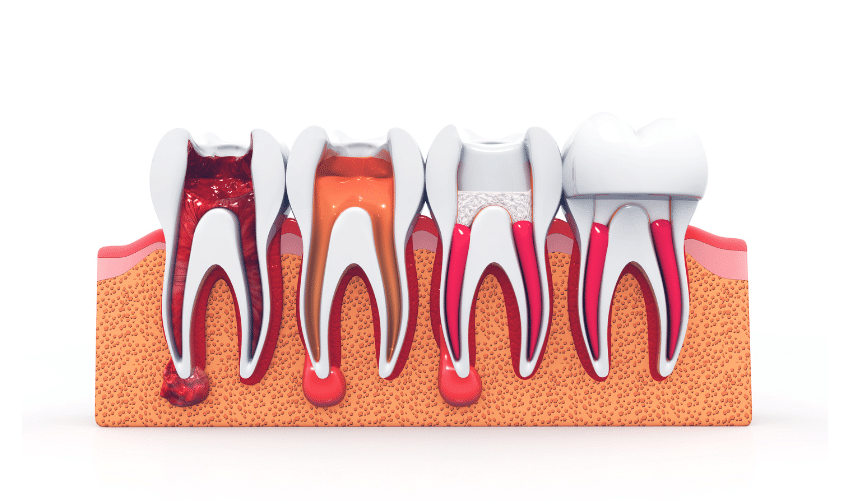
- Root canal treatment is a dental procedure that involves removing the damaged or infected pulp from inside the tooth. The pulp is a soft tissue that contains nerves, blood vessels, and connective tissues that can become inflamed or infected due to various reasons such as deep decay, repeated dental procedures on the same tooth, or trauma.
- During root canal treatment, an endodontist (a dentist who specializes in treating the inside of teeth) will remove the damaged pulp and clean out the root canals using special instruments. Once cleaned, they will fill and seal off the space with a rubber-like material called gutta-percha.
- After undergoing root canal treatment, patients may require additional restoration procedures such as crowns or fillings to restore strength to their natural tooth structure. While it may sound intimidating at first glance, this procedure is crucial in saving your natural teeth and preventing further complications down the line.
Why is root canal treatment needed?
- Root canal treatment is needed when the dental pulp inside a tooth becomes infected or inflamed. This can happen for several reasons, including deep decay, repeated dental procedures on the same tooth, trauma to the tooth, and cracks or chips in the teeth.
- If left untreated, an infected dental pulp can lead to severe pain and swelling around the affected tooth. It can also cause abscesses and even spread the infection to other parts of the body.
- Root canal treatment involves removing the damaged or infected pulp from within the tooth and replacing it with a filling material. The procedure itself may sound daunting but it’s actually very common and has a high success rate.
- The benefits of root canal treatment include alleviating pain, saving your natural teeth (which are always better than artificial ones), improving your overall oral health by removing any potential sources of infection or inflammation, and preventing further damage to surrounding teeth.
- In some cases where root canal treatment isn’t possible or advisable due to advanced decay or damage beyond repair, an extraction might be necessary. However, this only happens if there are no other options that would preserve natural teeth; which is always preferable over loss of one’s own teeth.
The different types of root canal treatment
- There are three main types of root canal treatment, each with its own benefits and considerations. The first type is conventional root canal therapy, which involves cleaning out the infected pulp from inside the tooth and filling it with a rubber-like material called gutta-percha.
- The second type is known as surgical root canal therapy or apicoectomy. This option may be necessary if there is an infection that has spread outside of the tooth’s root or if previous treatments have failed. During this procedure, a small incision is made in the gum tissue to access the infected area at the tip of the tooth’s root.
- There is regenerative endodontic therapy, which focuses on restoring damaged or dead dental pulp rather than removing it entirely. This treatment uses special materials and techniques to encourage new tissue growth within the affected tooth.
- Ultimately, your dentist will recommend a specific type of root canal treatment based on several factors such as your individual case history and condition severity. It’s important to discuss these options with your dentist in order to make an informed decision about your oral health care needs.
Benefits of root canal treatment
- Root canal treatment is a dental procedure that may seem intimidating, but it offers many benefits. One of the most significant advantages of root canal treatment is preserving your natural tooth. This means you can avoid more invasive treatments, such as extraction and implants.
- By removing the infected or damaged pulp from inside the tooth, root canal treatment also eliminates pain and discomfort associated with the infection. Not only does this provide immediate relief, but it also prevents further damage to surrounding teeth and tissues.
- Another benefit of root canal treatment is improved oral health. By addressing the underlying issue causing pain or infection in your tooth, you can prevent more serious conditions such as abscesses or gum disease.
- Undergoing root canal treatment restores normal biting force and sensation to your tooth while protecting against future damage caused by decay or injury.
- Choosing root canal treatment over other alternatives ensures the long-term preservation of natural teeth while improving overall oral health.
How to prepare for a root canal treatment
- Preparing for root canal treatment can help make the process smoother and less stressful. Here are some things you can do to prepare:
- First, make sure to discuss any concerns or questions with your dentist beforehand. This will give you a better understanding of what to expect during the procedure and how it will be done.
- Before your appointment, consider taking over-the-counter pain medication such as ibuprofen or acetaminophen if recommended by your dentist. This may help alleviate any discomfort you may experience after the procedure.
- It’s also important to eat a light meal before going in for treatment. Avoiding heavy foods can prevent nausea or vomiting that could occur during the procedure.
- During the appointment, wear comfortable clothing and avoid wearing jewellery or contacts that could get in the way. It’s also important to inform your dentist if you have any medical conditions that require special attention during treatment.
- Plan ahead for transportation home after your appointment as some patients may feel groggy from the anesthesia used during treatment. By following these steps, you’ll be well-prepared for a successful root canal treatment!
Alternatives to root canal treatment
- While root canal treatment is a highly effective way to save a damaged or infected tooth, it may not be the best option for everyone. In some cases, alternative treatments may be recommended.
- One common alternative is tooth extraction. While this option may seem simpler and less expensive than root canal treatment, removing a tooth can lead to other complications such as misaligned teeth and jawbone deterioration.
- Another alternative is pulp capping, which involves placing a protective covering over the exposed pulp of the affected tooth. However, this method may not be suitable for more severe cases of infection or damage.
- Ultimately, whether you choose root canal treatment or an alternative method will depend on your individual circumstances and needs. It’s important to discuss all options with your dentist before making any decisions about your dental health.
In summary, while root canal treatment has gained an undeserved reputation as being painful and unpleasant, it can actually be a comfortable and highly effective solution for saving damaged or infected teeth. By understanding why root canals are necessary and what the procedure entails, you can make informed decisions about your dental health that will keep your smile healthy and bright for years to come.