821 S Main St, DeForest, Wisconsin 53532

Why Your Dentist Recommended a Crown (And Why You Actually Need One)
DeForest, WI

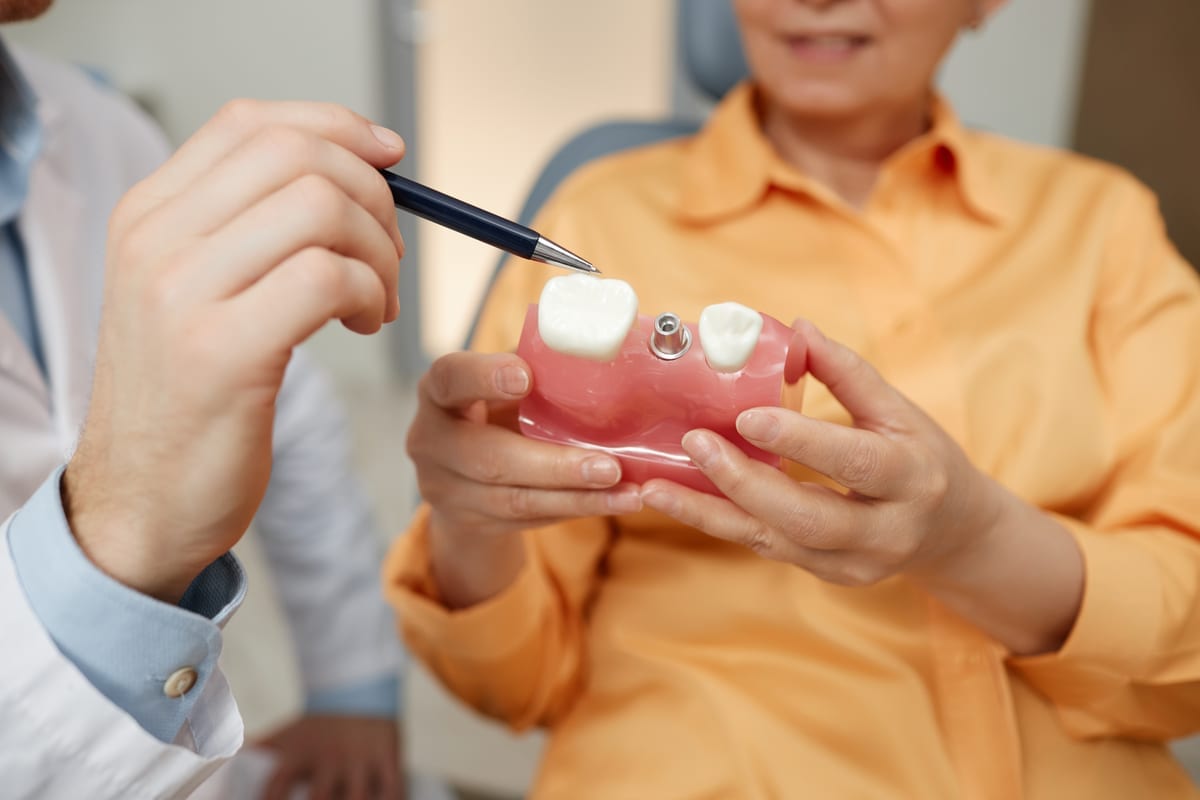
If your dentist just told you that you need a crown, your first reaction might be confusion — or even skepticism. Why can’t a simple filling fix it? Understanding why your dentist recommended a crown (and why you actually need one) in DeForest can make that conversation feel much less overwhelming. At Wisconsin Dental Wellness, Dr. Charles Lau takes time to explain every recommendation so patients feel confident in their care.
A dental crown is not a upsell. It is a clinically necessary restoration in many situations. Knowing the specific reasons behind the recommendation helps you make an informed decision about your oral health.
What Is a Dental Crown and When Is It Necessary?
A dental crown is a custom-fitted cap that covers a damaged or weakened tooth. It restores the tooth’s shape, strength, and function. Crowns are made from materials like porcelain, ceramic, or zirconia — all designed to look and feel natural.
As part of Restorative Dentistry DeForest services, crowns serve a specific purpose: to protect teeth that cannot be reliably saved with a filling alone. Dr. Lau recommends a crown only when the clinical evidence supports it. There are several well-established reasons a tooth may require this level of protection.
Common Reasons Your Dentist Recommended a Crown in DeForest
Understanding why your dentist recommended a crown (and why you actually need one) in DeForest starts with knowing the clinical triggers. Each situation is different, but these are the most common reasons Dr. Lau sees in practice.
- Cracked tooth: A crack can extend deep into the tooth structure. A crown holds the tooth together and prevents the crack from worsening.
- Large or failed filling: When a filling takes up more than half the tooth, the remaining structure becomes fragile. A crown provides full coverage and lasting support.
- Post-root canal treatment: After a root canal, a tooth loses moisture and becomes brittle. A crown protects it from fracturing under chewing pressure.
- Broken or collapsed cusp: A cusp is one of the raised points on your tooth. When one breaks off, a filling rarely provides enough coverage — a crown is the stronger solution.
- Severe decay: When decay destroys too much of the tooth, there is simply not enough healthy structure left to support a filling.
Each of these conditions puts the tooth at serious risk without proper restoration. Delaying a crown recommendation can lead to tooth loss, infection, or the need for more invasive treatment.
Why a Filling Is Not Always Enough
Many patients wonder why their dentist skipped the filling option entirely. The answer comes down to structural integrity. Think of a filling like a patch on a tire. It works well for small damage, but a tire with too much damage needs a full replacement — not another patch.
The same logic applies to teeth. When a tooth has lost significant structure — from decay, a crack, or a broken cusp — a filling does not distribute chewing forces evenly. This puts the remaining tooth walls under stress. Over time, those walls can crack or shear off completely.
A crown encases the entire visible portion of the tooth above the gumline. It distributes force evenly across the whole tooth. This dramatically reduces the risk of further breakage or tooth loss.
Dr. Lau uses diagnostic tools including digital X-rays and clinical examination to assess exactly how much tooth structure remains. That assessment directly drives the crown recommendation — not guesswork.
What to Expect During Your Crown Appointment in DeForest
Knowing what happens during the process can ease a lot of anxiety. At Wisconsin Dental Wellness, the crown process is straightforward and designed with patient comfort in mind.
- Consultation and examination: Dr. Lau reviews your X-rays and examines the tooth. He explains what he found and why a crown is the appropriate treatment.
- Tooth preparation: The tooth is gently shaped to make room for the crown. A local anesthetic is used so you stay comfortable throughout.
- Impression or digital scan: An impression of your tooth is taken. This ensures the crown fits precisely with your bite and surrounding teeth.
- Temporary crown placement: A temporary crown protects the tooth while your permanent one is crafted at a dental lab.
- Permanent crown placement: At your follow-up visit, Dr. Lau checks the fit, adjusts if needed, and cements the crown securely in place.
Patients who experience dental anxiety can also discuss sedation options with Dr. Lau. Wisconsin Dental Wellness offers sedation dentistry to make procedures like crown placement as stress-free as possible.
Benefits of Getting a Crown When Your Dentist Recommends One
Acting on a crown recommendation promptly protects more than just one tooth. It protects your overall oral health and can prevent the need for more complex treatment later.
- Prevents the tooth from breaking or splitting further
- Eliminates pain or sensitivity caused by exposed or cracked structure
- Restores full chewing function and bite alignment
- Protects neighboring teeth from shifting or absorbing extra pressure
- Preserves your natural tooth — avoiding extraction and the need for an implant
Preserving natural teeth is always the priority at Wisconsin Dental Wellness. A crown makes that possible in situations where a filling simply cannot.
Crowns as Part of Your Long-Term Dental Health in DeForest
A dental crown is not just a repair — it is an investment in the longevity of your tooth. With proper care, a well-placed crown can last 15 years or more. Regular check-ups, brushing, and flossing all contribute to that lifespan.
Dr. Lau and the team at Wisconsin Dental Wellness approach every crown case as part of a bigger picture. Your dental health connects directly to your overall wellbeing. Treating a compromised tooth promptly prevents pain, infection, and costly future procedures.
Whether you came to us for a routine check-up through Family Dentistry DeForest services or you were referred for a specific concern, Dr. Lau will walk you through every step of your recommended treatment. No patient leaves our office without understanding exactly why a procedure is recommended.
If you have questions about your crown recommendation or want a second opinion from a trusted DeForest dentist, we welcome that conversation. Your comfort and confidence in your care matter deeply to our team. Book Now to schedule your appointment with our team.
Frequently Asked Questions
How do I know if I really need a crown or just a filling?
Your dentist makes this determination based on how much healthy tooth structure remains. If a cavity or crack has destroyed more than half the tooth, a filling cannot provide reliable support. Dr. Lau uses digital X-rays and a clinical exam to assess the damage before making any recommendation.
Does getting a dental crown hurt?
The procedure is performed under local anesthesia, so you should feel little to no discomfort during treatment. Some patients experience mild sensitivity after the anesthetic wears off, but this typically resolves within a few days. Wisconsin Dental Wellness also offers sedation options for patients with dental anxiety.
How long does a dental crown last?
With proper care, most dental crowns last between 10 and 15 years — and many last even longer. Good oral hygiene, regular dental visits, and avoiding habits like grinding your teeth all help extend the life of a crown.
What happens if I wait and do not get the crown right away?
Delaying a crown recommendation allows the damaged tooth to remain vulnerable. A cracked or weakened tooth can fracture further under normal chewing pressure. In some cases, waiting long enough means the tooth cannot be saved at all and must be extracted.
Can a crown fall off or come loose?
It is uncommon, but a crown can loosen over time — especially if the underlying tooth develops new decay. If your crown feels loose or comes off, contact Wisconsin Dental Wellness promptly. Dr. Lau can assess the situation and re-cement or replace the crown as needed.