821 S Main St, DeForest, Wisconsin 53532

Dental Crowns Care Tips in DeForest, WI
DeForest, WI


Getting a dental crown is a big step toward a healthier, stronger smile. But the work doesn’t stop when you leave the dental chair. Your new crown: essential care steps dentists wish you’d know in DeForest can make the difference between a crown that lasts decades and one that fails too soon. Dr. Charles Lau and the team at Wisconsin Dental Wellness want every patient to feel confident caring for their restoration at home.
Why Proper Crown Care Matters in DeForest
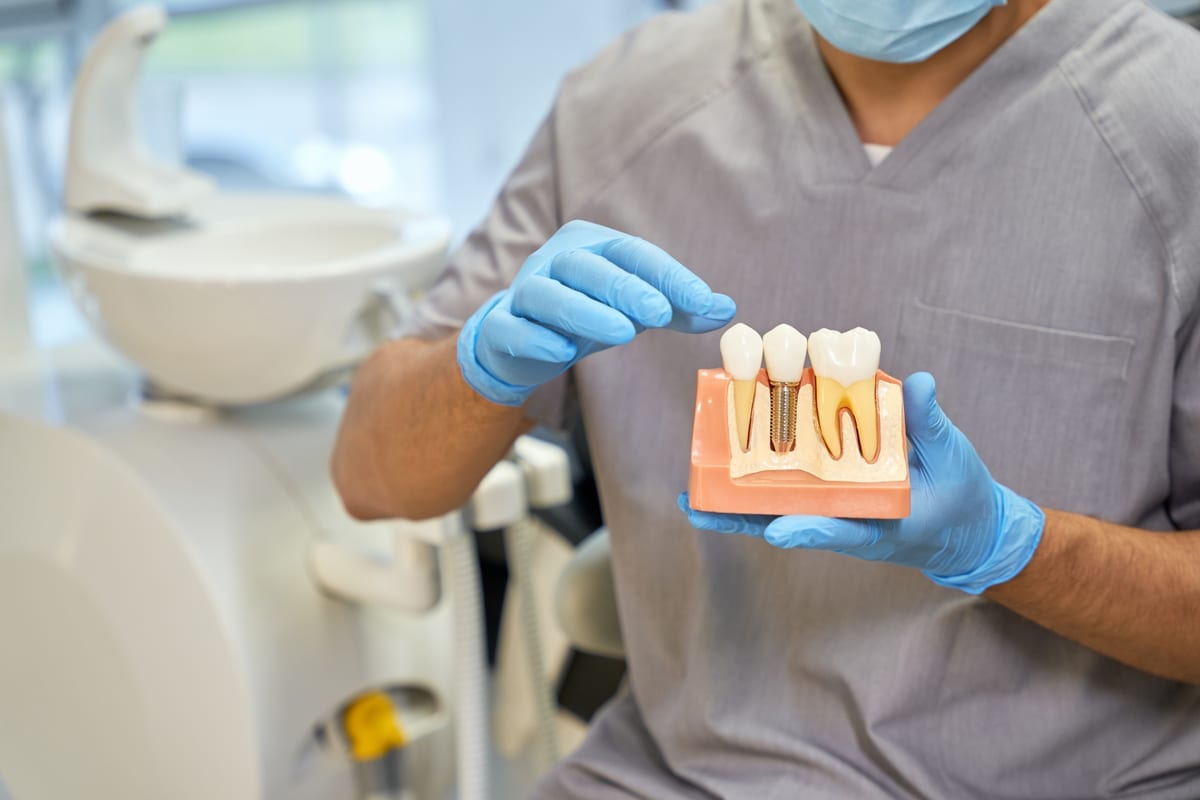
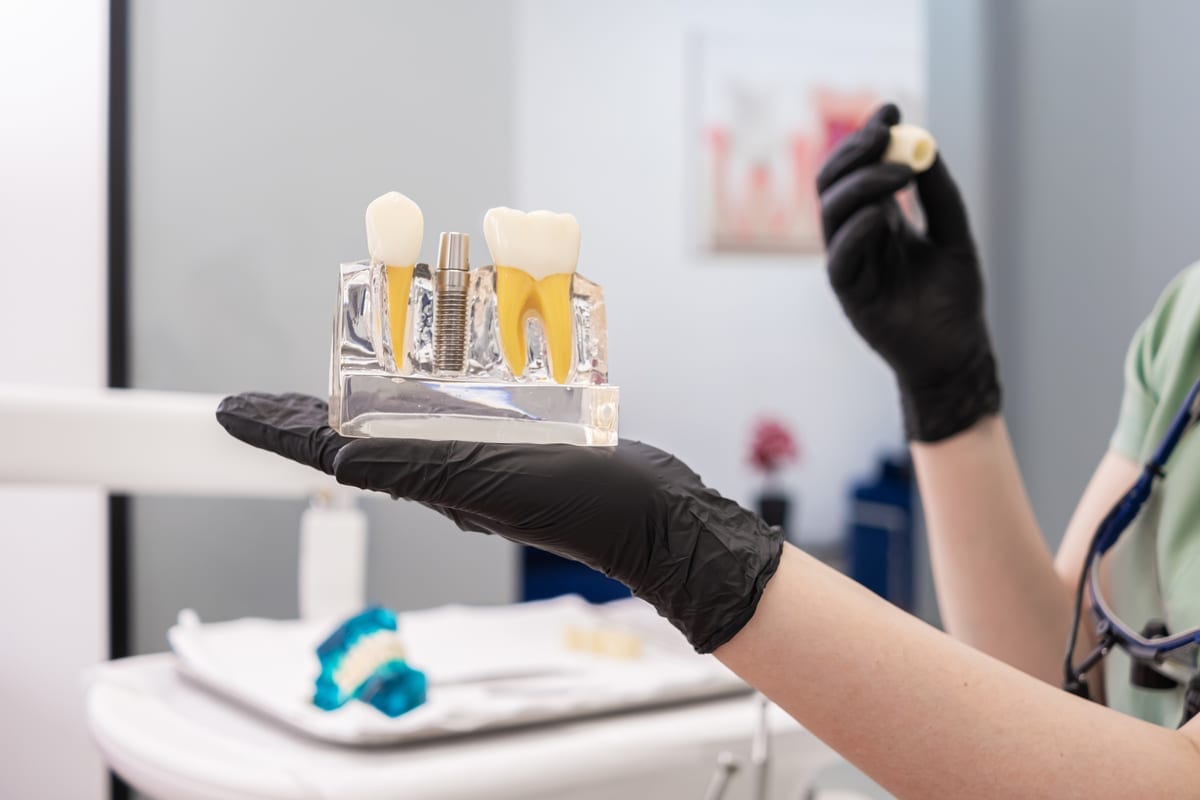
A dental crown protects a damaged or weakened tooth from further harm. It also restores your ability to chew comfortably and smile with confidence. However, a crown is not indestructible. Without the right daily habits, crowns can chip, loosen, or develop decay at the margins.
Many DeForest patients are surprised to learn that decay can still form under a crown. The natural tooth structure underneath remains vulnerable. That’s why consistent care is so important from day one.
At Wisconsin Dental Wellness, our Restorative Dentistry services are designed to give you lasting results. But lasting results require your partnership at home. Think of crown care as a daily investment in your smile.
How to Clean Around Crown Margins the Right Way
The margin is the edge where your crown meets your gum line. This area is especially vulnerable to plaque buildup. Bacteria love to collect along crown margins, so thorough cleaning is essential every single day.
Here are the key cleaning steps to follow:
- Brush twice daily using a soft-bristled toothbrush
- Use gentle, circular strokes along the gum line near the crown
- Floss daily, sliding the floss gently beneath the contact point
- Use a water flosser or interdental brush for hard-to-reach spots
- Rinse with an antimicrobial mouthwash to reduce bacteria around the margin
Avoid snapping floss aggressively around a cemented crown. Instead, slide floss out from the side. This prevents loosening the crown over time. Consistent, gentle cleaning is far more effective than occasional aggressive scrubbing.
If you notice sensitivity or swelling near the crown margin, contact our DeForest office right away. These signs can indicate early gum issues or a marginal seal concern. Early intervention protects both your crown and the tooth beneath it.
Foods and Habits to Avoid After Getting a Crown
Your new crown is strong, but certain foods and habits can shorten its lifespan significantly. Knowing what to avoid is just as important as knowing how to clean properly. Small daily choices add up to big long-term results.
Foods and habits that can damage your crown include:
- Hard candies and ice — these can crack porcelain or ceramic crowns
- Sticky or chewy foods like caramel, taffy, and gummy candies
- Chewing on pens, fingernails, or other non-food objects
- Biting into hard foods like whole nuts or crusty bread with the crowned tooth
- Using your teeth as tools to open packaging or bottles
In the first 24 to 48 hours after crown placement, be especially cautious. The cement used to bond the crown needs time to fully set. Stick to soft foods during this initial period for the best outcome.
Acidic foods and beverages can also weaken the cement seal over time. Limit soda, citrus juices, and coffee when possible. If you do consume acidic drinks, rinse with water immediately afterward.
The Role of Night Guards for Crown Protection in DeForest
Teeth grinding, or bruxism, is one of the most common causes of crown failure. Many people grind their teeth during sleep without even realizing it. The pressure from grinding can crack porcelain, loosen cement, and wear down the crown surface quickly.
Dr. Charles Lau frequently recommends a custom night guard for patients who grind or clench. A night guard creates a protective barrier between your upper and lower teeth. It absorbs the force of grinding so your crown doesn’t have to.
Custom night guards from Wisconsin Dental Wellness are far superior to over-the-counter options. They are precisely fitted to your bite for maximum comfort and protection. A poorly fitting store-bought guard can actually shift your jaw position and cause discomfort.
If you experience jaw soreness in the morning, headaches, or facial tension, you may be grinding at night. Our team can evaluate your bite and recommend the right solution. Protecting your crown with a night guard is a small investment that can save you significant time and expense down the road.
Routine Check-Ups Keep Your Crown Lasting Longer
Regular dental visits are a critical part of crown maintenance. At each appointment, Dr. Lau checks the crown margins, evaluates the bite, and monitors the surrounding gum tissue. These routine checks catch small problems before they become large ones.
We recommend visiting Wisconsin Dental Wellness every six months for professional cleaning and examination. During a cleaning, our hygienists remove hardened tartar from around the crown margin. This reduces your risk of gum disease and decay near the crown.
Digital X-rays also allow us to see what’s happening beneath the crown surface. We can detect early signs of recurrent decay or bone changes that aren’t visible to the naked eye. Staying consistent with your check-ups is one of the smartest things you can do for your restoration.
Our Family Dentistry services make it easy for the whole household to stay on track with preventive care. Scheduling appointments together saves time and keeps everyone’s smiles in great shape. DeForest families trust Wisconsin Dental Wellness for personalized, consistent dental care.
Signs Your Crown May Need Attention
Even with excellent home care, crowns can sometimes develop issues. Knowing the warning signs helps you act quickly and avoid more complex treatment. Don’t ignore symptoms — they rarely resolve on their own.
Contact our DeForest office if you notice any of the following:
- Pain or sensitivity when biting down on the crowned tooth
- A crown that feels loose or shifts slightly when touched
- Dark lines appearing at the crown margin near the gum
- Swelling, redness, or bleeding around the crown
- A crown that has visibly chipped, cracked, or fallen off
A loose or displaced crown is considered a dental emergency. Call Wisconsin Dental Wellness promptly if your crown comes off. Do not attempt to re-cement it yourself with household adhesives.
Caring for your crown properly starts with the right guidance and the right dental team. Dr. Charles Lau and the team at Wisconsin Dental Wellness are here to support every step of your restoration journey in DeForest. Your smile deserves expert care and lasting results. Book Now to schedule your appointment with our team.
Frequently Asked Questions
How long should a dental crown last with proper care?
Most dental crowns last between 10 and 15 years with consistent care. Some crowns last 20 years or more when patients maintain good oral hygiene and attend regular check-ups. Your habits at home play the biggest role in crown longevity.
Can I get a cavity under a dental crown?
Yes, decay can develop at the margin where the crown meets the natural tooth. This is why brushing and flossing around the crown margin every day is so important. Regular dental visits allow Dr. Lau to catch early signs of marginal decay before they progress.
Do I need a night guard if I have a dental crown?
If you grind or clench your teeth, a custom night guard is strongly recommended. Grinding places enormous pressure on crowns and can crack or loosen them over time. Dr. Lau can evaluate your bite and create a custom-fitted guard for maximum protection.
What should I do if my crown feels loose?
Contact Wisconsin Dental Wellness right away if your crown feels loose or shifts when you press on it. A loose crown can expose the underlying tooth to bacteria and decay. Prompt treatment prevents more extensive damage and additional dental work.
Is it normal to feel sensitivity after getting a new crown?
Mild sensitivity in the days following crown placement is fairly common. This typically fades as your tooth adjusts to the restoration. However, if sensitivity is severe, worsening, or persists beyond two weeks, you should call our DeForest office for an evaluation.