821 S Main St, DeForest, Wisconsin 53532

Dental Implants: What You Need to Know
DeForest, WI

Dental Implants: A Complete Guide for Patients
Dental Implants are one of the most effective solutions for replacing missing teeth. They look, feel, and function like natural teeth. Understanding how they work helps patients make informed decisions. This guide covers everything you need to know about dental implants.
What Are Dental Implants?
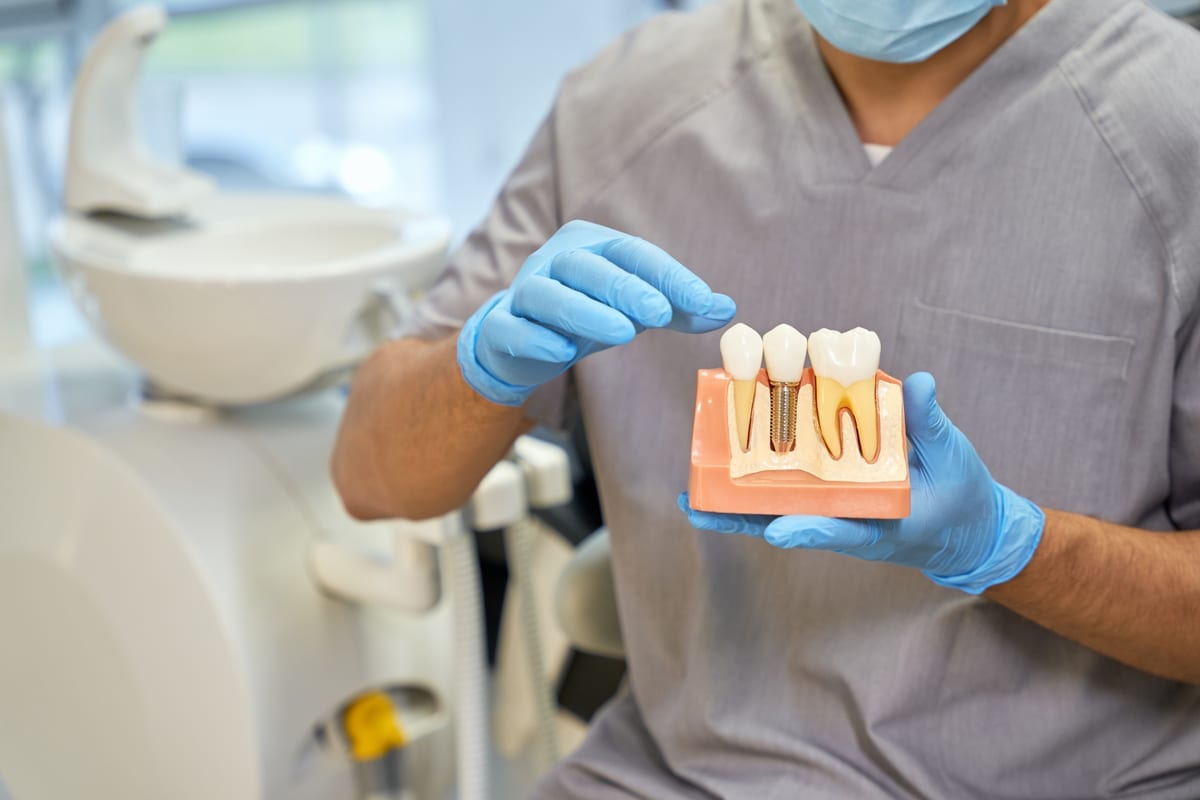
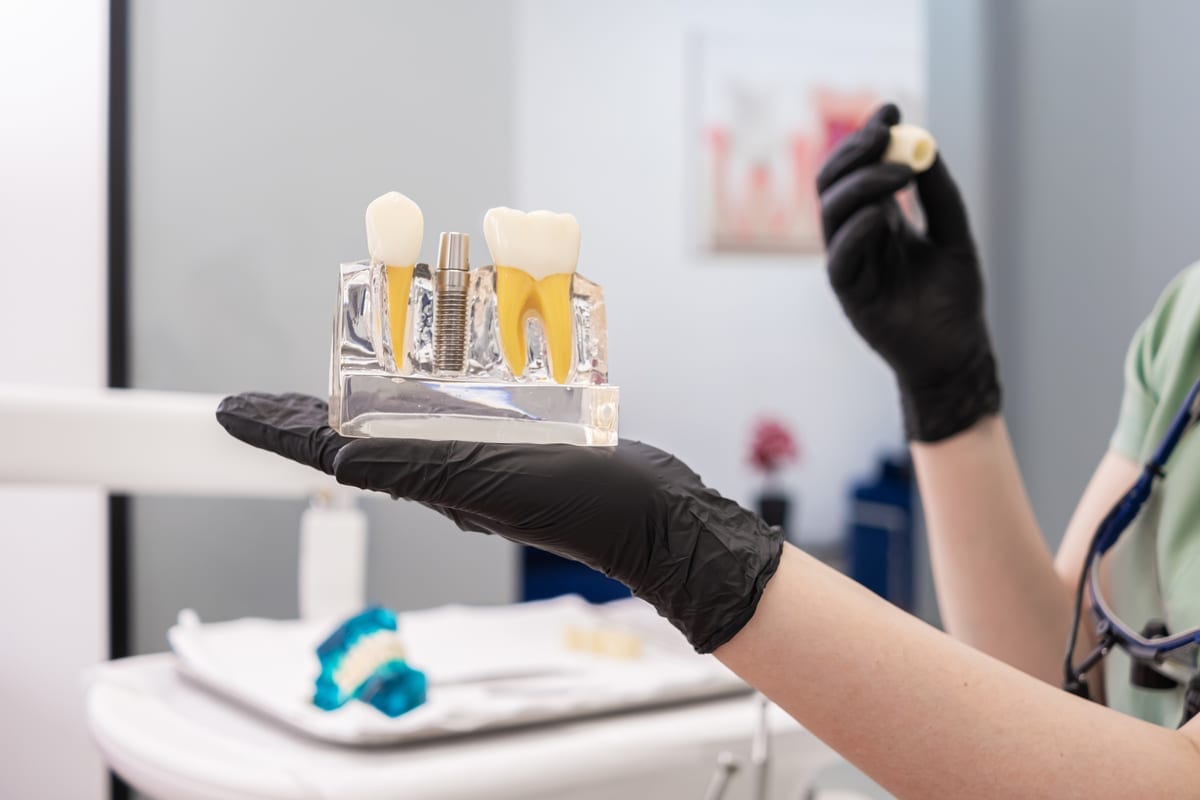
A dental implant is a small titanium post. It is surgically placed into the jawbone beneath the gum line. Over time, it fuses with the bone in a process called osseointegration. This creates a stable foundation for a replacement tooth.
Once the implant heals, a connector piece called an abutment is attached. A custom-made dental crown is then placed on top. The final result closely resembles a natural tooth. Most patients find it difficult to tell the difference.
Dental implants are different from dentures or bridges. They do not rest on the gums or rely on neighboring teeth. They stand independently within the jawbone. This makes them one of the most durable tooth replacement options available.
Key Benefits of Dental Implants
Patients choose dental implants for many reasons. They offer advantages that other tooth replacement options cannot fully match. Here are some of the most important benefits:
- Natural appearance: Implants look and feel like real teeth.
- Bone preservation: They stimulate the jawbone, preventing bone loss.
- Durability: With proper care, implants can last decades.
- Improved speech: Unlike loose dentures, implants stay securely in place.
- Easy maintenance: You brush and floss them just like natural teeth.
- No damage to neighboring teeth: Adjacent teeth are left untouched.
These benefits make dental implants a long-term investment in oral health. They can also improve confidence and overall quality of life. Many patients report feeling more comfortable eating and speaking after treatment.
Who Is a Good Candidate for Dental Implants?
Not everyone is automatically a candidate for dental implants. Several factors affect eligibility. A thorough evaluation by our dental team helps determine the right approach.
Good candidates generally share the following characteristics:
- They have one or more missing teeth.
- Their jawbone has enough density to support an implant.
- Their gums are healthy and free of active disease.
- They do not smoke heavily, which can affect healing.
- They are committed to good oral hygiene practices.
Some patients may need preparatory procedures first. Bone grafting can rebuild jawbone volume if it has deteriorated. Treating gum disease before implant placement is also important. Our dental team will create a personalized treatment plan for each patient.
Age is also a consideration. Adults whose jawbones have fully developed are typically eligible. Younger patients may need to wait until growth is complete. A full dental exam and X-rays help assess readiness.
What to Expect During the Dental Implant Process
The dental implant process takes place over several months. Each stage is important for long-term success. Knowing what to expect helps patients feel more prepared and confident.
Here is a general overview of the process:
- Initial consultation: Our dental team evaluates your oral health and takes X-rays.
- Treatment planning: A customized plan is created based on your unique needs.
- Implant placement: The titanium post is surgically inserted into the jawbone.
- Healing period: The implant fuses with the bone over several months.
- Abutment placement: A connector piece is attached once healing is complete.
- Crown placement: A custom crown is secured to complete the restoration.
Recovery after implant surgery is generally manageable. Mild swelling and discomfort are common in the first few days. Most patients return to normal activities quickly. Following post-operative instructions supports faster healing.
Regular follow-up appointments are scheduled throughout the process. These visits allow our dental team to monitor healing. Any concerns can be addressed promptly. The goal is always a successful, lasting outcome.
Caring for Your Dental Implants
Dental implants require consistent care to remain healthy. The good news is that maintenance is straightforward. Daily habits make a significant difference in long-term success.
Brushing twice daily is essential. Use a soft-bristled toothbrush and non-abrasive toothpaste. Flossing around the implant removes plaque and food debris. Specialized floss or an interdental brush can be especially helpful.
Regular dental check-ups are equally important. Professional cleanings remove buildup that brushing cannot reach. Our dental team will examine the implant and surrounding tissue. Early detection of any issues leads to better outcomes.
Avoid habits that can damage implants. Chewing on hard objects like ice or pens puts unnecessary stress on them. If you grind your teeth at night, a custom night guard may be recommended. Protecting your implant helps preserve it for years to come.
If you are interested in learning more about our full range of services, visit our services page. You can also learn about our dental team and our approach to patient care.
Frequently Asked Questions
How long do dental implants last?
With proper care and regular dental visits, dental implants can last 20 years or more. Many patients keep their implants for a lifetime. The crown on top may need replacement after 10 to 15 years due to normal wear. Good oral hygiene and healthy habits support long-term implant success.
Is the dental implant procedure painful?
Most patients experience minimal discomfort during the procedure. Local anesthesia is used to numb the area before placement. Some soreness and swelling may occur in the days following surgery. Over-the-counter pain relievers are usually sufficient to manage any discomfort.
How long does the entire dental implant process take?
The full process typically takes several months from start to finish. The healing phase alone can take three to six months. This allows the implant to fuse properly with the jawbone. The timeline varies depending on each patient’s individual healing and treatment needs.
Can dental implants fail?
Implant failure is uncommon but can occur in some cases. Risk factors include poor oral hygiene, smoking, and certain medical conditions. Infections around the implant site are one of the leading causes of failure. Following care instructions and attending regular check-ups greatly reduces this risk.
Are dental implants suitable for replacing multiple teeth?
Yes, dental implants can replace one tooth, several teeth, or even a full arch. Implant-supported bridges and dentures are options for patients missing many teeth. Our dental team will assess your specific situation and recommend the best solution. Each treatment plan is tailored to the individual patient’s goals and oral health.
Missing teeth can affect your confidence, your bite, and your bone health. Dental implants offer a reliable, long-lasting solution backed by decades of clinical success. Our dental team at Wisconsin Dental Wellness – DeForest Dentist is here to guide you through every step. Learn More about how we can help you.