821 S Main St, DeForest, Wisconsin 53532
Can Dental Bonding Quickly Fix Chips, Cracks & Gaps?
DeForest, WI


A few tiny chips, surface cracks, or a little space between teeth are distracting when seen in the mirror before heading to a local DeForest, WI bakery or coffee shop. Many people get these from everyday wear and small accidents and wonder if there is a quick fix. The good news is that there is.
This blog explains how dental bonding can fix minor tooth damage, what to expect during the procedure, and how it restores the appearance and smooth function of your teeth in a single visit.
What Dental Bonding Does and How It Works
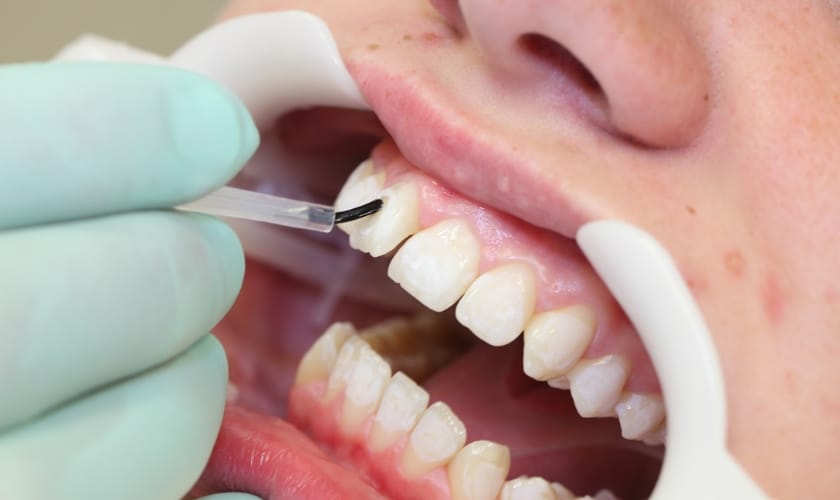
Dental bonding is a procedure that involves applying a tooth-colored resin directly onto the surface of a tooth. It is then shaped and polished to match the surrounding teeth perfectly. Bonding can address:
- Minor chips on the edge of a tooth
- Tiny cracks with no structural compromise to the tooth
- Gaps between teeth that pose cosmetic problems
Dental bonding in DeForest is often preferred because of its reduced preparation. You don’t have to do extensive reshaping of the tooth as with veneers or crowns, which means a quicker, more comfortable treatment. Most treatments conclude in one dental visit and offer an instant upgrade.
The material used is stain-resistant, durable, and blends naturally with your tooth color. Bonded teeth can last you several years, so you do not have to do “touch-up” work constantly.
The Benefits of Choosing Bonding
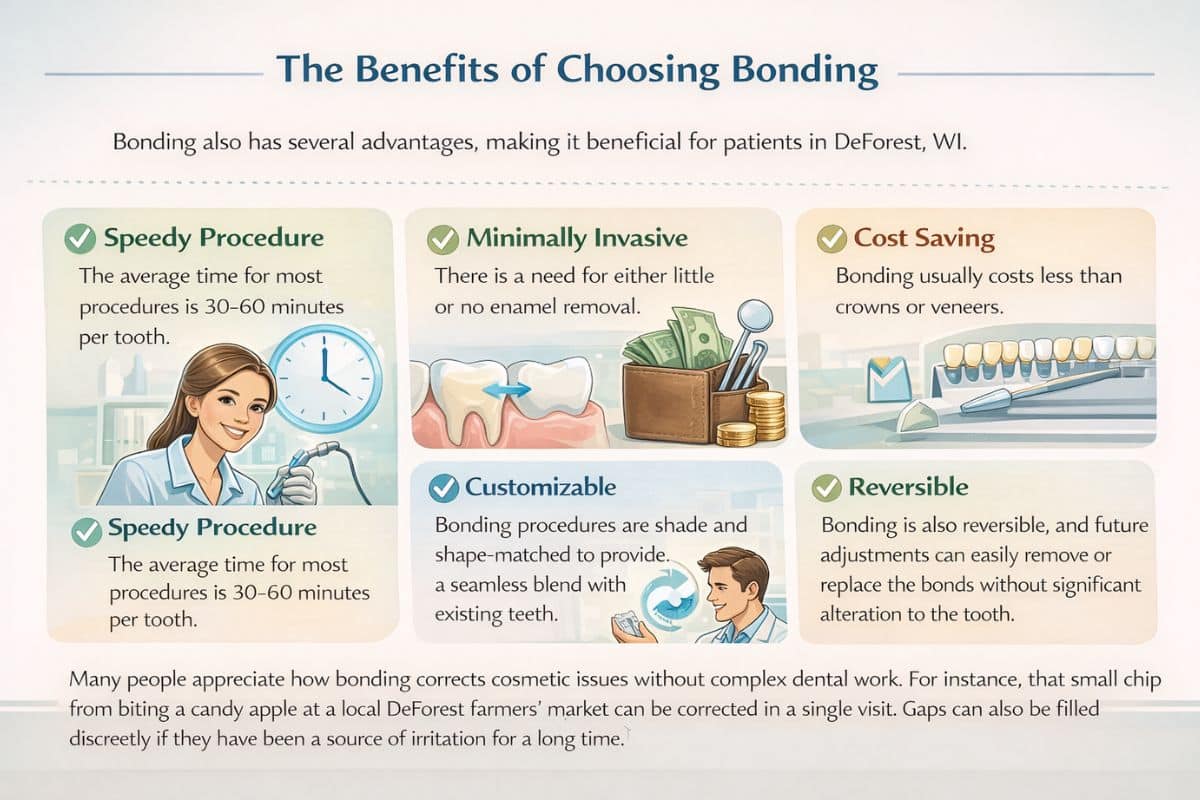
Bonding also has several advantages, making it beneficial for patients in DeForest, WI.
- Speedy Procedure: The average time for most procedures is 30-60 minutes per tooth.
- Minimally Invasive: There is a need for either little or no enamel removal.
- Cost Saving: Bonding usually costs less than crowns or veneers.
- Customizable: Bonding procedures are shade and shape-matched to provide a seamless blend with existing teeth.
- Reversible: Bonding is also reversible, and future adjustments can easily remove or replace the bonds without significant alteration to the tooth.
Many people appreciate how bonding corrects cosmetic issues without complex dental work. For instance, that small chip from biting a candy apple at a local DeForest farmers’ market can be corrected in a single visit. Gaps can also be filled discreetly if they have been a source of irritation for a long time.
Who is a Good Candidate?
Bonding is effective for patients who have:
- Teeth that are healthy and have no active tooth decay
- Minor cosmetic imperfections, rather than a lot of damage
- Good oral hygiene
Patients with obvious structural damage or large cracks will require alternative options, which include crowns or veneers. Your dentist can assess cases individually and provide the best solution.
It’s important to bond to improve appearance and protect teeth from minor issues, but it doesn’t replace regular dental care. Maintaining checkups, cleanings, and protective habits is essential to long-term oral health.
How the Procedure Feels
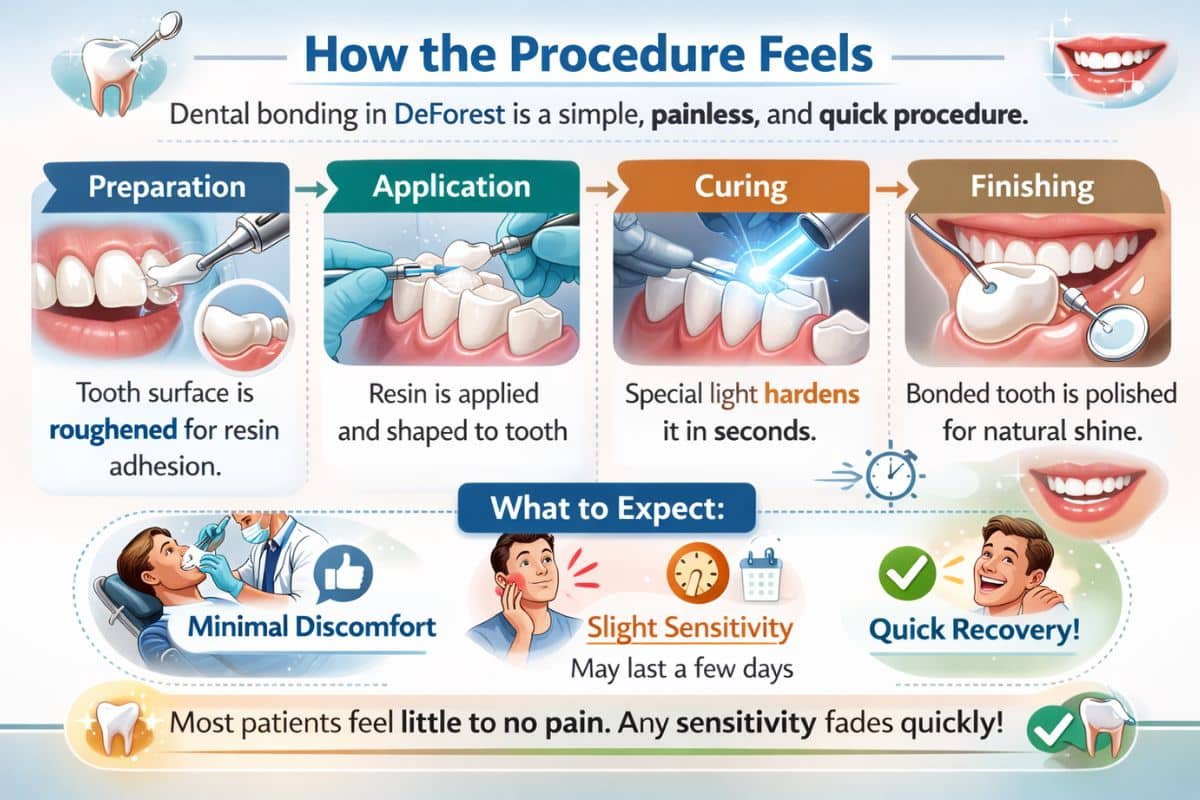
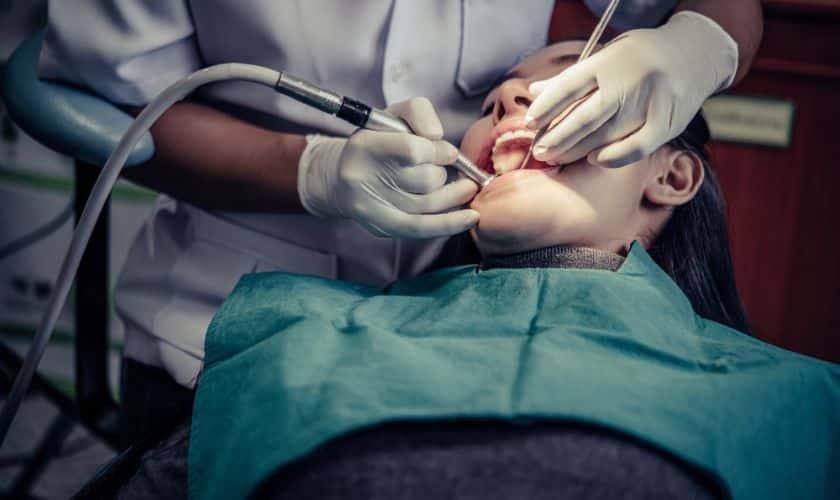
Dental bonding in DeForest is a simple procedure that typically does not cause pain. It is a relatively simple and harmless procedure.
- Preparation: The dentist will slightly roughen the tooth’s surface to facilitate resin adhesion.
- Application: The resin is applied and shaped according to the tooth.
- Curing: A special light makes it solid in a matter of seconds.
- Finishing: The bonded tooth is polished to match the natural shine of your surrounding teeth.
Patients experience minimal discomfort during the procedure. In some cases, a little pain and sensitivity are felt for a few days; however, this resolves very quickly.
Maintaining Your Bonded Teeth
To maintain a good appearance of dental bonding.
- Brush twice a day and floss diligently.
- Don’t chew on hard things like ice or pens.
- Limit staining foods or drinks, such as coffee, tea, or red wine.
- Schedule dental checkups regularly for professional cleaning and evaluation.
Bonded teeth are durable but not as strong as enamel, and good oral care practices help maintain their longevity and reduce the risk of chipping or discoloration.
When Bonding is Not Enough
Dental bonding is an excellent treatment option for minor cosmetic repairs, but it is not suitable for:
- Teeth with big fractures or decay.
- Major discoloration that requires more extensive intervention.
- Patients seeking a long-term option that exceeds the 5–10-year lifespan of bonding.
In these cases, other options such as porcelain veneers, crowns, or orthodontic alignment may be better solutions. A dental professional can point you in the right direction for the best balance of durability, aesthetics, and price.
Other Cosmetic Considerations
Even if your concern involves a small chip or gap, consider overall aesthetics. Bonding can offer improved results when combined with teeth whitening or routine maintenance. The dentist may also check for bite issues, as any imbalance in bite pressure can increase the risk of new crack formation or wear.
Dental bonding can also be incorporated into a comprehensive plan to address many minor imperfections in a single appointment.
Ready to Enhance Your Smile?
At Wisconsin Dental Wellness, our dental team prioritizes making patients feel confident and comfortable about their dental treatments. If you notice minor chipping, cracking, or gaps, our team can help decide whether dental bonding in DeForest is a suitable choice.
Schedule your consultation now to discuss your options and receive a seamless, natural-looking result.
FAQs
How long does dental bonding last?
Bonded teeth can last 5–10 years with proper care. Regular checkups help identify wear and prevent damage.
Is dental bonding painful?
Most patients experience little to no discomfort. Some minor sensitivity may occur, which usually resolves quickly.
Can bonding fix large cracks?
Bonding is ideal for small cracks and chips. Large fractures may require veneers or crowns for durability.
Does bonding stain easily?
Bonded teeth resist stains, but consuming coffee, tea, or red wine frequently may cause discoloration over time.