821 S Main St, DeForest, Wisconsin 53532
The Importance of Early Detection for Root Canals in Deforest, Wisconsin
DeForest, WI
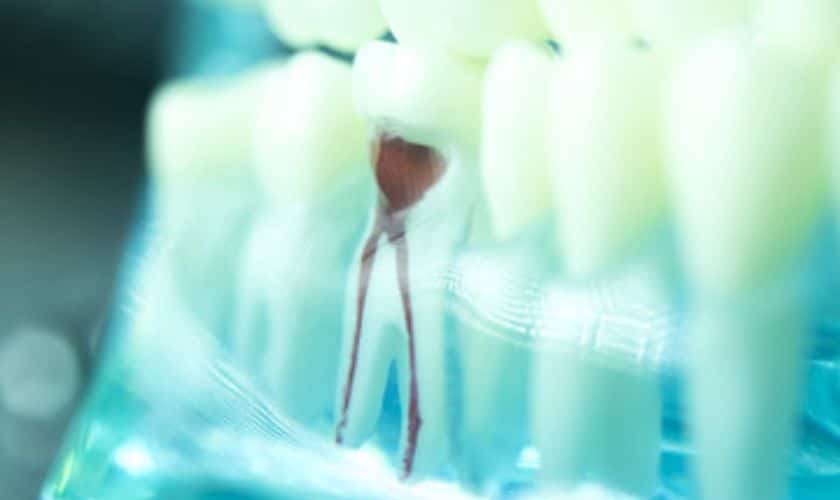
In Deforest, Wisconsin, and indeed anywhere, the prospect of needing a root canal can evoke anxiety and concern. However, it’s essential to recognize that early detection of dental issues can be a game-changer. This introduction delves into the crucial topic of the importance of early detection for root canals in Deforest, Wisconsin.
Root canals are often necessitated by severe tooth decay or infections deep within the tooth’s pulp. When detected in their initial stages, these problems can be addressed with less invasive and less painful procedures. This not only preserves your dental health but also spares you from the discomfort and potential complications associated with more advanced dental issues. In this discussion, we will explore why identifying dental problems early is your best defense against the need for a root canal and how this approach can help you maintain a healthy, pain-free smile in DeForest, Wisconsin.
Understanding Root Canals
1. Purpose of a Root Canal:
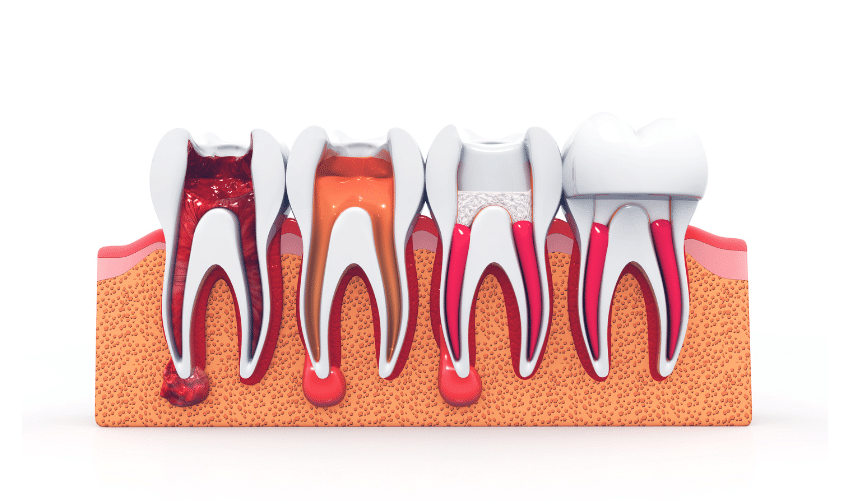
A root canal is a dental procedure performed to treat and save a tooth that is severely infected or damaged. It becomes necessary when the inner pulp of the tooth, which contains nerves and blood vessels, becomes inflamed or infected due to deep decay, a cracked tooth, or trauma. The procedure involves removing the infected pulp, cleaning and disinfecting the inside of the tooth, and then filling and sealing it to prevent further infection. Root canals are crucial for preserving the tooth and preventing the need for extraction.
2. Common Symptoms Requiring Root Canals:
Root canals are typically indicated when a patient experiences specific symptoms, including:
– Severe and persistent toothache, especially when chewing or applying pressure.
– Sensitivity to hot or cold temperatures that lingers after the stimulus is removed.
– Swollen, tender gums around the affected tooth.
– Darkening or discoloration of the tooth.
– Pimple-like bumps on the gums near the tooth, known as dental abscesses.
Early Warning Signs
1. Persistent Toothache: One of the most common early warning signs is a persistent, throbbing toothache that may worsen when you chew or apply pressure to the affected tooth. This pain can vary in intensity but often becomes increasingly severe over time. It’s crucial not to dismiss or self-medicate toothaches, as they can signal underlying dental issues that, if caught early, may not require a root canal.
2. Sensitivity to Temperature: If you experience heightened sensitivity to hot or cold temperatures in a particular tooth, it could be an early indication of dental problems. This sensitivity typically lingers even after the temperature stimulus is removed. Sensitivity may be a sign of enamel erosion, cavities, or other issues that, if addressed promptly, can often be resolved with less invasive treatments than a root canal.
Benefits of Early Detection
1. Preservation of Natural Teeth:
Early detection of dental issues allows for timely intervention, often before the problem escalates to the point of requiring a root canal. When dental problems are addressed in their initial stages, it’s often possible to save and preserve the natural tooth structure. This not only maintains the aesthetics of your smile but also avoids the need for more extensive and costly procedures, such as dental implants or bridges, to replace lost teeth.
2. Reduced Pain and Discomfort:
Dental problems that lead to root canals are often associated with significant pain and discomfort. Early detection and treatment can alleviate or prevent this pain, offering relief to the individual. By addressing the issue before it progresses, patients can avoid the severe toothaches and inflammation that often necessitate root canal procedures. This leads to a more comfortable and less stressful dental experience.
Preventive Dental Care
1. Regular Dental Check-ups:
Scheduling regular dental check-ups with your dentist is a fundamental aspect of preventive dental care. These check-ups, typically recommended every six months, allow your dentist to monitor your oral health, detect potential issues early, and provide professional cleanings to remove plaque and tartar buildup. Early detection of problems like cavities or gum disease can often prevent the need for more invasive treatments like root canals.
2. Good Oral Hygiene Practices:
Practicing good oral hygiene at home is equally important. This includes brushing your teeth at least twice a day with fluoride toothpaste, flossing daily to remove food particles and plaque between teeth, and using an antimicrobial or fluoride mouthwash as recommended by your dentist. These routines help maintain healthy teeth and gums, reducing the risk of dental issues that may lead to root canals.
Dental Check-Ups in DeForest
1. Local Dental Clinics: DeForest, Wisconsin, offers a range of local dental clinics and practices where residents can schedule regular dental check-ups. It’s essential to choose a dental office that suits your needs and is conveniently located for you. Many dental clinics in DeForest provide comprehensive dental services, including preventive care, to help residents maintain good oral health.
2. Importance of Regular Check-Ups: Regular dental check-ups are crucial for preventive care and early detection of dental issues. During these appointments, your dentist will examine your teeth, gums, and overall oral health. They may also take X-rays to detect hidden problems. Early detection allows for prompt intervention, which can often prevent the need for more invasive and costly dental procedures like root canals.
Treatment Options
1. Dental Fillings: In cases of minor tooth decay or cavities, dental fillings are a common and effective treatment option. During this procedure, the dentist removes the decayed portion of the tooth and fills the space with a dental filling material, such as composite resin or amalgam. Dental fillings restore the tooth’s structure and function and are less invasive than a root canal.
2. Dental Crowns: Dental crowns are used when a tooth is significantly damaged but can still be saved. Unlike a root canal, which removes the inner pulp of the tooth, a dental crown involves reshaping the tooth and placing a customized cap or crown over it. This strengthens the tooth and restores its appearance and function. Dental crowns are often used to address issues like cracked teeth or teeth with large fillings.
In Deforest, Wisconsin, early detection of dental issues is a crucial defense against the need for root canals. By prioritizing regular check-ups, maintaining good oral hygiene, and seeking prompt treatment, residents can preserve their natural teeth and enjoy a healthier, pain-free smile while avoiding more invasive dental procedures.