821 S Main St, DeForest, Wisconsin 53532

Common Signs and Symptoms That Indicate Wisdom Tooth Extraction in DeForest, Wisconsin
DeForest, WI

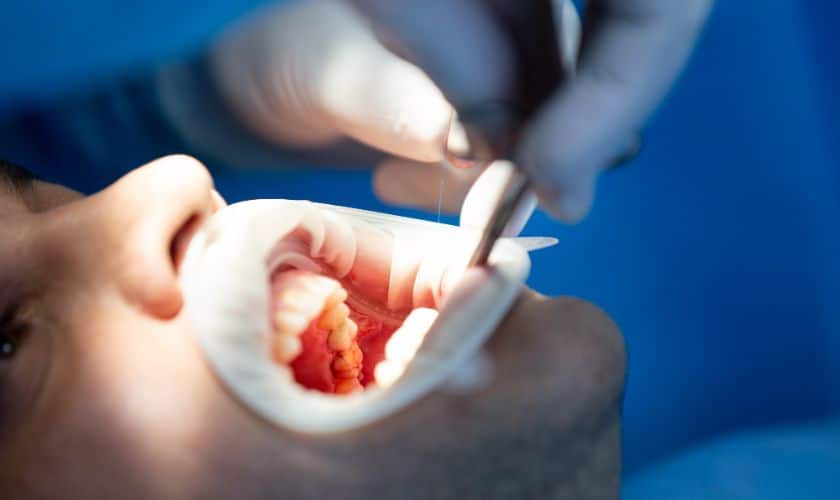
Wisdom teeth, the third set of molars that typically emerge in late adolescence or early adulthood, can often bring discomfort and dental complications. In DeForest, Wisconsin, recognizing the common signs and symptoms indicating the need for wisdom tooth extraction is essential for maintaining oral health.
One prevalent indicator is persistent pain in the back of the mouth, often accompanied by swelling and tenderness. Difficulty in fully opening the mouth, chewing, or experiencing pain while doing so can also signal wisdom tooth problems. Furthermore, recurring infections, such as gum inflammation or painful cysts, may necessitate extraction to prevent further complications. This introduction aims to shed light on these key signs, emphasizing the importance of timely assessment and intervention to ensure optimal oral well-being for DeForest residents.
What Are Wisdom Teeth?
Wisdom teeth, also known as third molars, are the final set of molars that typically emerge in the back of the mouth. Here are two key points about wisdom teeth:
1. Late Development: Wisdom teeth typically begin to emerge between the ages of 17 and 25, which is later than most other permanent teeth. This is why they are often referred to as “wisdom teeth” because they emerge at an age when individuals are considered to be wiser or more mature.
2. Limited Space and Common Issues: One of the primary reasons wisdom teeth can be problematic is that there is often limited space in the mouth for their proper eruption. As a result, they may become impacted, meaning they cannot fully emerge. This can lead to a range of issues, including pain, swelling, infection, and damage to adjacent teeth, necessitating their removal in many cases.
Importance of Wisdom Tooth Health
The importance of wisdom tooth health stems from the potential complications and oral health risks associated with these third molars. Here are two key reasons why wisdom tooth health is significant:
1. Preventing Dental Issues: Wisdom teeth often emerge at an angle or in a way that doesn’t align with the rest of the teeth due to limited space in the jaw. This misalignment can lead to crowding, shifting, and damage to neighboring teeth, causing orthodontic problems. Maintaining wisdom tooth health through regular monitoring and extraction when necessary can help prevent these dental issues.
2. Avoiding Pain and Infection: Impacted or partially erupted wisdom teeth can create pockets in the gums that trap food particles and bacteria. This can lead to gum inflammation, pain, and recurrent infections. Ensuring wisdom tooth health involves addressing these issues promptly through extraction, relieving discomfort, and preventing the spread of infection, which can impact overall oral health.
Common Signs and Symptoms
Common signs and symptoms that indicate the need for wisdom tooth extraction include:
1. Persistent Pain: The most prevalent symptom is persistent, throbbing pain in the back of the mouth where the wisdom teeth are located. This pain can radiate to the jaw, ears, or even the head.
2. Swelling and Tenderness: Swelling and tenderness in the gum tissue around the wisdom teeth are often observed. This swelling can make it uncomfortable to open the mouth fully.
3. Difficulty in Mouth Opening and Chewing: As wisdom teeth emerge, they can cause restricted mouth opening and difficulties in chewing. This can lead to discomfort and affect one’s ability to eat normally.
4. Recurring Infections and Cysts: Impacted wisdom teeth can create pockets in the gums where food particles and bacteria can accumulate, leading to frequent infections. Cysts may also form around impacted teeth, causing pain and potential damage to surrounding bone and teeth.
Recognizing these signs and symptoms is crucial for timely intervention and addressing potential wisdom tooth-related issues in a proactive manner.
The Wisdom Tooth Extraction Process
1. Consultation and Assessment: The first step is to consult with a dentist or oral surgeon who will evaluate the condition of your wisdom teeth through X-rays and a physical examination. They will determine if extraction is necessary.
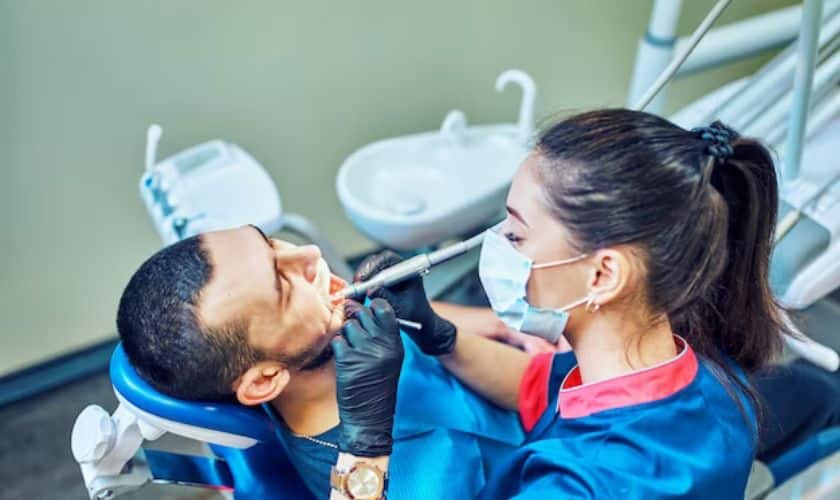
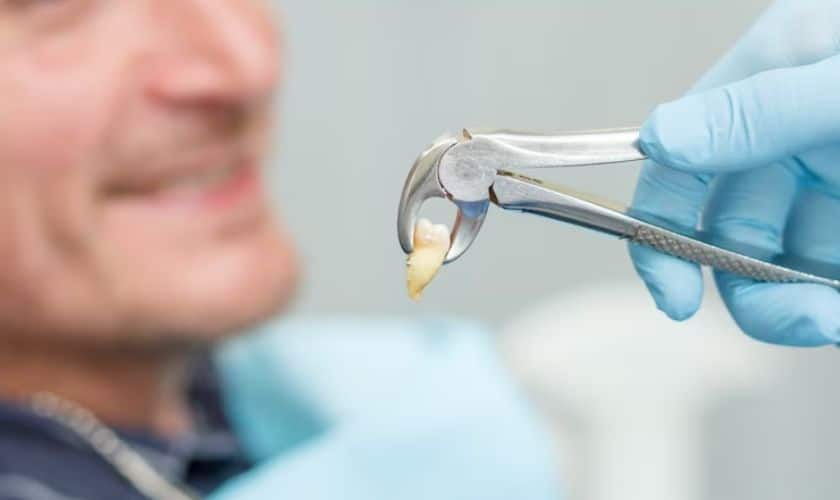
2. Extraction Procedure: If extraction is recommended, the dentist or oral surgeon will administer local anesthesia to numb the area. They will then carefully remove the wisdom tooth, sometimes requiring a small incision in the gum or dividing the tooth into sections for easier removal. Stitches may be needed to close the incision.
The procedure typically takes around 45 minutes, and recovery may involve some discomfort and swelling, which can be managed with pain medication and proper aftercare.
Wisdom Tooth Extraction in DeForest, Wisconsin
1. Local Dental Services: DeForest offers a range of local dental clinics and specialists who can perform wisdom tooth extractions. These professionals are equipped to assess your specific situation and provide tailored treatment.
2. Community Expertise: DeForest’s dental community is experienced in addressing wisdom tooth-related issues, ensuring you receive the necessary care and guidance throughout the extraction process, from initial evaluation to post-operative care.
Preventive Measures
1. Regular Dental Check-ups: Schedule routine dental check-ups, allowing your dentist to monitor the development and positioning of your wisdom teeth. Early detection of potential problems can lead to timely intervention.
2. Good Oral Hygiene: Maintain excellent oral hygiene practices, including brushing, flossing, and using an antiseptic mouthwash regularly. This reduces the risk of infection and gum inflammation around your wisdom teeth.
In conclusion, recognizing the signs and symptoms of wisdom tooth extraction in DeForest, Wisconsin, is vital for maintaining optimal oral health. Timely consultation with local dental professionals and proactive measures can prevent complications. When necessary, wisdom tooth extraction, readily available in DeForest, can alleviate discomfort and enhance overall well-being, ensuring a healthier and pain-free smile.