
821 S Main St, DeForest, Wisconsin 53532

what should you do if your wisdom tooth has a cavity?
DeForest, WI


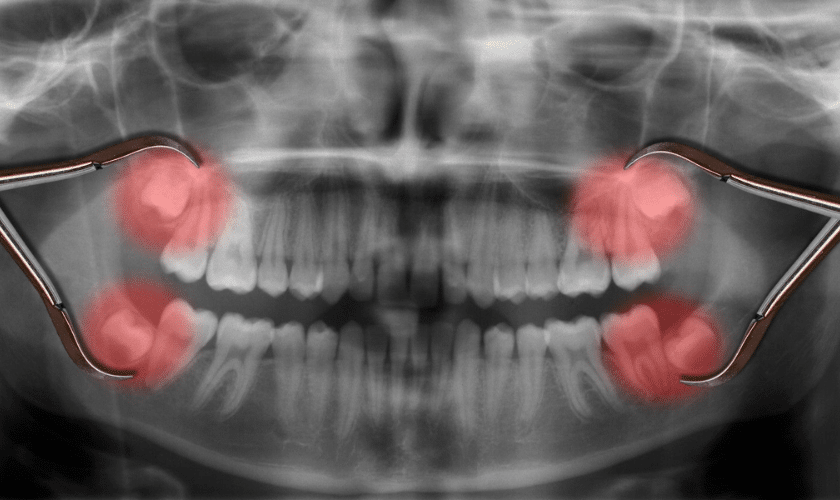
Dealing with a cavity in your wisdom tooth can be daunting, but fear not. In this blog post, we’ll guide you through everything you need to know about how to handle this situation like a pro. Wisdom teeth, also known as third molars, are the last set of teeth to emerge in the late teenage years or early adulthood. These teeth were once essential for our ancestors who ate a tougher diet, but with modern advancements in food processing and cooking techniques, they have become less necessary. As a result, many people often experience problems with their wisdom teeth, such as impaction and cavities.
Cavities on wisdom teeth can be quite common due to their location at the back of the mouth and their tendency to be difficult to reach while brushing. This makes them susceptible to plaque buildup and tooth decay. In addition, wisdom teeth may not fully erupt or come in at an angle, creating small pockets where food particles can get trapped, leading to bacterial growth and, eventually, cavities.
Source: Medinaz;
Symptoms of a Cavity on a Wisdom Tooth:
Cavities on wisdom teeth can cause various symptoms depending on their severity. Some individuals may experience no symptoms at all until the cavity has progressed significantly. However, some common signs that you may have a cavity on your wisdom tooth include:
1) Pain or discomfort: If you feel pain or discomfort around your wisdom tooth when biting down or chewing food, it could be an indication of a cavity.
2) Sensitivity: The exposed nerves in your tooth caused by the cavity may make it sensitive to hot or cold foods and drinks.
3) Bad breath: Bacteria feeding off the decaying tooth structure can produce foul-smelling odors that lead to bad breath.
4) Visible holes or pits: If you notice any visible holes or pits in your tooth, it could indicate that there is significant decay present.
5) Swelling around the gum area: A developing infection from a cavity can cause swelling around your gums near the affected wisdom tooth.
Risks of leaving a wisdom tooth cavity untreated:
Infection Risk: Bacteria entering the cavity can lead to severe infections like abscesses, requiring urgent treatment and posing life-threatening risks.
Harm to Surrounding Teeth: Untreated wisdom tooth cavities may cause misalignment or shifting of nearby teeth, damaging nerves and bones due to insufficient space for proper eruption.
Pain and Discomfort: Decay progression, reaching deeper layers, including the tooth nerve, results in inevitable pain and discomfort, hindering daily activities and chewing.
Complications in Future Procedures: An infected wisdom tooth can impede orthodontic treatments, causing inflammation and delaying healing.
Overall Health Impact: The connection between oral health and overall health underscores the importance of promptly addressing wisdom tooth cavities, as poor oral hygiene is linked to systemic conditions like heart disease and diabetes.
Future Dental Costs: Ignoring a wisdom tooth cavity can lead to more extensive and expensive dental treatments, with cavities worsening over time, potentially necessitating root canal therapy or tooth extraction.
To avoid these risks, prompt consultation with a dentist is crucial. Remember, prevention is key to maintaining optimal dental health.
Treatment options for a wisdom tooth cavity:
Experiencing discomfort in your wisdom tooth requires prompt attention to address the common issue of cavities. Treatment options for a wisdom tooth cavity include:
Fillings: Commonly used, it involves removing decay and filling with materials like composite resin or amalgam based on factors like cavity size, location, cost, and personal preference.
Root Canal Therapy: Necessary if the cavity reaches the pulp, removing infected tissue and filling with a special material to prevent further infection, recommended for severe decay or infections.
Dental Crown: Recommended for extensive damage, a cap covering and protecting the damaged tooth, enhancing appearance and function.
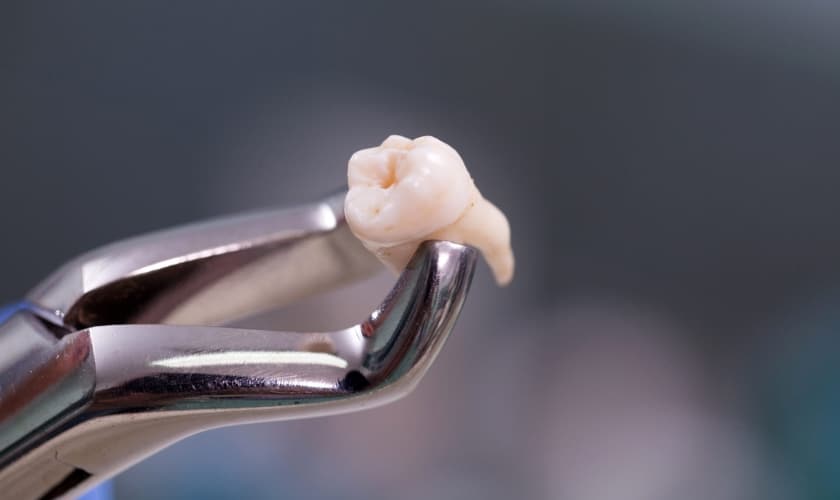
Dental Extraction: Considered when other treatments are not feasible or effective, especially for multiple cavities in one tooth or complications like an impacted wisdom tooth.
Preventive Measures: Essential for avoiding future cavities include maintaining good oral hygiene, avoiding sugary and acidic foods, and scheduling regular dental checkups to detect cavities early.
Timely treatment from a qualified dentist is crucial for a wisdom tooth cavity. Delaying can lead to severe complications, emphasizing the importance of proper care for long-term oral health.
When dealing with a wisdom tooth cavity, seeking professional help and proper care is essential in order to prevent further damage and complications. Remember to visit your dental clinic, consider necessary procedures, follow aftercare instructions, maintain good oral hygiene, and attend regular checkups. By doing so, you can ensure the health and longevity of your wisdom teeth and overall oral health.