
821 S Main St, DeForest, Wisconsin 53532
Top Tips for Maintaining Your Dental Bonding in Deforest, Wisconsin
DeForest, WI

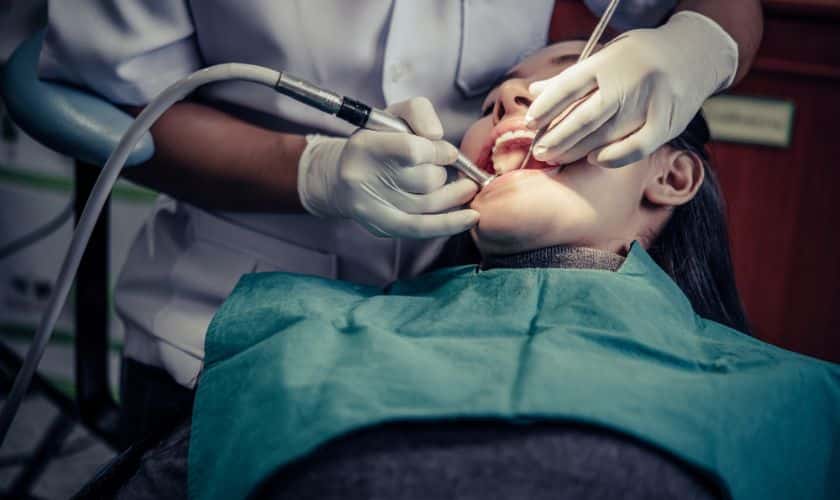
In Deforest, Wisconsin, dental bonding has become a popular cosmetic dental procedure, offering a simple and effective solution to enhance smiles. Whether used to repair chipped teeth, close gaps, or reshape teeth, dental bonding can transform your dental aesthetics. However, to ensure the longevity and beauty of your bonded teeth, it’s essential to understand how to maintain them. This introduction delves into the importance of preserving dental bonding and presents a comprehensive guide on the top tips for maintaining your dental bonding in Deforest, Wisconsin.
Dental bonding involves the application of a tooth-colored resin material to the tooth’s surface, which is then shaped, hardened, and polished to match the natural teeth. While it offers a cost-effective and minimally invasive cosmetic solution, it is not invulnerable to wear and tear. In this discussion, we will explore the best practices, habits, and precautions to maximize the lifespan and appearance of your dental bonding. By following these tips, you can enjoy a stunning smile that lasts for years to come, making the most of your investment in dental bonding in DeForest, Wisconsin.
What Is Dental Bonding?
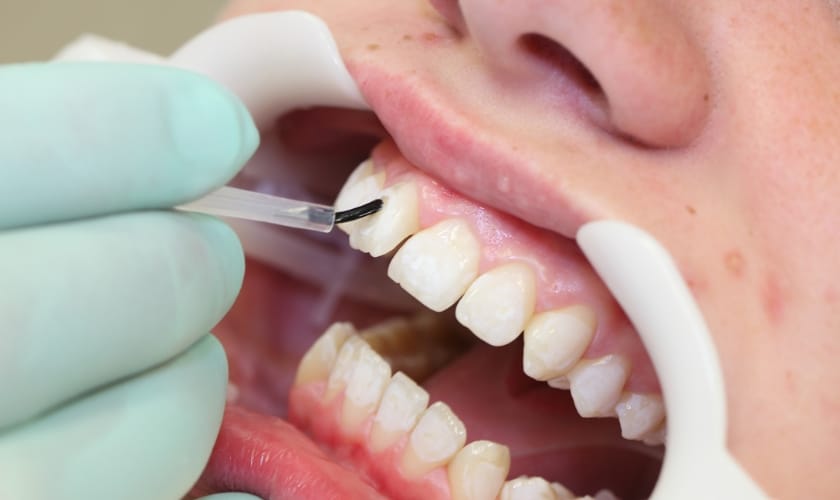
1. Cosmetic Dental Procedure: Dental bonding is a cosmetic dental procedure used to enhance the appearance of teeth. It involves the application of a tooth-colored resin material to the tooth’s surface. This resin is then shaped, molded, and hardened using a special light. The end result is a natural-looking restoration that can improve the appearance of chipped, discolored, or misshapen teeth.
2. Minimally Invasive: Dental bonding is a minimally invasive procedure, meaning it requires little to no removal of the natural tooth structure. Unlike some other cosmetic treatments like veneers or crowns, which may involve more extensive tooth preparation, dental bonding typically preserves more of the natural tooth. This makes it a popular and relatively quick option for improving the aesthetics of one’s smile.
Understanding the Vulnerability of Dental Bonding
1. Susceptibility to Staining: Dental bonding materials, although resistant to staining compared to natural teeth, can still become discolored over time. They are more susceptible to staining from substances like tobacco, coffee, tea, red wine, and certain foods. To maintain the appearance of dental bonding, it’s crucial to minimize consumption of staining agents and practice good oral hygiene.
2. Potential for Chipping or Wear: While dental bonding is durable, it is not as strong as natural tooth enamel or some other dental restorations like crowns or veneers. Bonded teeth may be more prone to chipping, cracking, or wearing down, especially if subjected to excessive forces like chewing on hard objects or teeth grinding (bruxism). Individuals with dental bonding should be cautious and consider protective measures like mouthguards if they grind their teeth.
Top Tips for Maintaining Dental Bonding
1. Practice Excellent Oral Hygiene:
– Brush your teeth at least twice a day with a fluoride toothpaste.
– Use a soft-bristle toothbrush to avoid scratching or damaging the bonding.
– Floss daily to remove food particles and plaque from between bonded teeth.
– Consider using an antimicrobial or fluoride mouthwash as recommended by your dentist.
2. Dietary Considerations:
– Limit consumption of foods and beverages that can stain teeth, such as coffee, tea, red wine, and dark-colored fruits.
– Avoid biting on hard objects like ice, pencils, or hard candies, as this can chip or crack the bonding material.
– Be cautious with extremely hot or cold foods and drinks, as sudden temperature changes can stress the bonding material.
3. Avoid Harmful Habits:
– Refrain from nail-biting and using your teeth as tools to open packages.
– Wear a mouthguard if you grind your teeth (bruxism) to prevent excessive wear and damage to the bonding.
4. Regular Dental Check-ups:
– Schedule and attend regular dental check-ups and cleanings with your dentist in DeForest, Wisconsin. This allows your dentist to monitor the condition of your dental bonding and address any issues promptly.
5. Maintain a Balanced Diet:
– Consume a balanced diet rich in fruits, vegetables, and dairy products to promote overall oral health and reduce the risk of decay.
6. Quit Smoking:
– If you smoke or use tobacco products, quitting can help prevent staining and damage to your dental bonding, in addition to numerous other health benefits.
Cleaning and Daily Care
1. Proper Brushing Technique:
– Use a soft-bristle toothbrush to clean your teeth and dental bonding. A soft brush is gentle on the bonding material, reducing the risk of scratching or damaging it.
– Brush your teeth at least twice a day, preferably after meals. Be thorough but gentle when brushing, paying attention to the gumline and all surfaces of the bonded teeth.
– Use fluoride toothpaste to help strengthen the natural tooth enamel and the bonding material.
2. Flossing Carefully:
– Flossing is essential to remove food particles and plaque from between your teeth, including the areas around dental bonding.
– When flossing around bonded teeth, be gentle to avoid accidentally dislodging or damaging the bonding material.
– Consider using a waxed dental floss or a floss designed for sensitive gums, as these are less likely to catch on the bonding.
3. Regular Dental Check-ups:
– Schedule and attend regular dental check-ups with your dentist in DeForest, Wisconsin. These visits are essential for monitoring the condition of your dental bonding and addressing any issues early.
– During dental check-ups, your dentist can professionally clean your teeth and assess the integrity of the bonding material, ensuring it remains in good condition.
Dietary Recommendations
1. Limit Staining Foods and Beverages:
– Reduce the consumption of foods and drinks that can stain teeth, such as coffee, tea, red wine, and dark-colored berries. These substances can also affect the appearance of dental bonding.
– If you do consume staining agents, consider drinking water afterward or rinsing your mouth to help minimize their impact.
2. Be Mindful of Sugary and Acidic Foods:
– Sugary and acidic foods and beverages can contribute to tooth decay and damage the bonding material over time.
– Limit your intake of sugary snacks, carbonated sodas, and acidic fruit juices. If you do consume these items, try to do so in moderation and follow up with a glass of water or a dental-friendly snack like cheese, which can help neutralize acids and promote saliva production.
Habits to Avoid
1. Nail-Biting: Habitual nail-biting can put undue stress on your teeth, including those with dental bonding. The constant pressure and force applied to your teeth can lead to chipping or weakening of the bonding material. Try to break this habit to prevent potential damage.
2. Using Teeth as Tools: Using your teeth as tools to open packages, tear tape, or bite off tags is a common but damaging habit. This can cause dental bonding to chip or crack, and it’s best to use the appropriate tools for such tasks rather than relying on your teeth.
Dental Check-ups
1. Regular Check-ups Are Essential: Regular dental check-ups with your DeForest, Wisconsin dentist are crucial for the long-term health and appearance of your dental bonding. These visits allow your dentist to assess the condition of your bonding, identify any issues early, and address them promptly. Early detection can prevent minor problems from escalating into more significant concerns.
2. Professional Cleanings: During dental check-ups, your dentist will also provide professional cleanings. These cleanings remove plaque and tartar buildup from your teeth and bonding, ensuring that they remain clean and free from stains. Professional cleanings help prolong the lifespan of your dental bonding and keep your smile looking its best.
In Deforest, Wisconsin, preserving the beauty and longevity of dental bonding requires a combination of mindful habits. Regular dental check-ups and professional cleanings play a pivotal role in maintaining dental bonding’s health and aesthetics. By avoiding damaging habits and adhering to dietary recommendations, residents can enjoy a stunning, long-lasting smile.