
821 S Main St, DeForest, Wisconsin 53532
What to Eat After a Root Canal?: A Guide to a Soft Food Diet
DeForest, WI

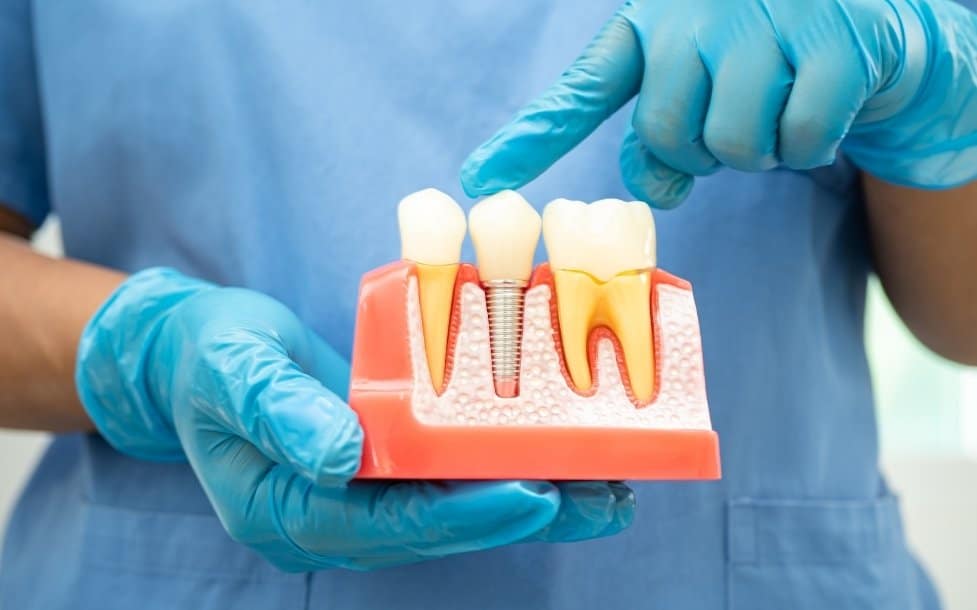
Getting a root canal can be tough on your mouth, leaving it sore and sensitive. After the procedure, taking care of your diet is essential to protect the treated area and support faster healing. Eating the wrong foods can add unnecessary pressure or cause irritation, increasing discomfort and possibly delaying recovery.
This guide aims to make your recovery process smoother by providing soft food options that minimize stress on your teeth and gums. With these carefully chosen food suggestions, you can stay nourished while promoting gentle recovery. From proteins and grains to fruits and veggies, it will cover the best options to support healing and keep you comfortable in the days following your root canal.
Why a Soft Food Diet is Essential After a Root Canal?
After a root canal, your mouth can feel sore and sensitive. This discomfort is due to the work done on the inner tissue of your tooth, making it more delicate than usual. The healing process requires gentle handling, especially in the first few days. Eating foods that are too hard, crunchy, or chewy can aggravate the area, increasing sensitivity and potentially causing pain.
A soft food diet reduces the strain on your affected tooth, allowing it to heal without irritation. Soft foods are less likely to harm the treated tooth and gums. They also make eating easier, reducing the risk of biting down on hard items that could interfere with your recovery.
Additionally, soft foods make chewing less of a chore when your mouth is already sensitive. By sticking to a soft food diet, you allow your body the time it needs to repair, reducing the risk of inflammation and further discomfort. This approach not only supports your healing but also makes the process more comfortable, helping you get back to normal eating faster.
Guidelines for Choosing Post-Root Canal Foods
Following these guidelines will help you choose foods that support healing and minimize discomfort of root canal therapy:
- Temperature Considerations: Avoid very hot or cold foods, as they can increase tooth sensitivity. Opt for lukewarm foods that don’t shock your mouth, especially in the first few days.
- Nutritional Balance: A nutritious diet supports healing, so try to include proteins, vitamins, and minerals in each meal. Foods rich in vitamins A and C, calcium, and protein can be especially beneficial.
- Avoidance List: Certain foods should be avoided altogether:
- Hard or Crunchy Foods: Avoid foods like nuts, chips, and raw vegetables that require strong chewing and can strain your teeth.
- Sticky Foods: Caramel, toffee, and gum are a no-go, as they can stick to teeth, making them hard to clean and possibly affecting the treated area.
- Spicy or Acidic Foods: Strong spices and acidic items like citrus fruits can irritate the area and slow healing.
By following these guidelines, you can support your recovery and make each meal less of a hassle.
Recommended Soft Foods for Post-Root Canal Recovery
These soft food options are ideal for keeping you nourished without irritating your mouth:
- Proteins: Soft proteins like scrambled eggs, tofu, and cottage cheese offer easy-to-digest nutrients. Smooth nut butter, like peanut or almond butter, adds protein as long as it is not sticky or clumpy.
- Vegetables: Cooked vegetables are excellent choices for added vitamins and minerals. Try mashed potatoes, steamed carrots, or pureed pumpkin. Avoid raw vegetables, as they can be too hard and crunchy.
- Fruits: Soft or blended fruits are great options that add natural sweetness and vitamins. Applesauce, bananas, and fruit smoothies are ideal for a gentle diet. Pears or mangoes, once fully ripe, are soft enough to eat without chewing.
- Grains: Gentle grains like oatmeal, soft bread, and pasta are easy on the mouth, adding valuable fiber and energy. Creamy polenta and couscous are other good grain-based choices that require minimal chewing.
- Dairy: Dairy products can provide comfort and nutrition. Smooth yogurt, cottage cheese, and milk-based shakes are great choices that soothe the mouth. Avoid cheeses with a tough texture, opting for softer options like ricotta.
These food options provide essential nutrients without requiring heavy chewing, making each meal easier on your healing mouth.
Sample Soft Food Meal Plan for the First Few Days
To make it easier, here is a sample meal plan with gentle yet nourishing options for the initial recovery phase:
- Breakfast Ideas: Start your day with a smoothie made from yogurt and bananas. Oatmeal with soft fruit like blueberries or a scoop of applesauce makes another great choice.
- Lunch Ideas: Try a serving of mashed potatoes topped with well-blended veggies, such as carrots or spinach. Scrambled eggs provide protein without requiring tough chewing.
- Dinner Ideas: Creamy soups, like tomato or butternut squash, offer warmth and comfort. Pair with soft pasta in a mild sauce to add variety and satisfy hunger.
- Snack Ideas: Keep snacks simple and soothing with options like applesauce, cottage cheese, pudding, or plain yogurt. These choices give you energy between meals without putting strain on your mouth.
This meal plan provides variety and nutrition, making it easier to stick to a soft food diet as you heal.
Foods to Avoid for Faster Healing
Certain foods can hinder recovery or cause irritation, so it is best to avoid them:
- Crunchy or Hard Foods: Steer clear of nuts, chips, and raw vegetables, as they can pressure the treated area and cause pain.
- Sticky Foods: Caramel, gum, and taffy can stick to teeth, making them difficult to clean and potentially disrupting the healing process.
- Spicy or Acidic Foods: Citrus fruits, spicy sauces, and pickled items can irritate the gums and teeth, slowing down recovery.
- Foods with Small Seeds or Grains: Berries and popcorn can leave small particles that lodge around the treated area, increasing discomfort and infection risk.
Avoiding these foods helps prevent unnecessary pain and supports a faster, smoother recovery.
Tips for a Smooth Recovery
Following these tips can enhance your comfort and speed up the healing process:
- Hydration Tips: Drink plenty of water to stay hydrated, but avoid straws. Sucking on a straw can create pressure in your mouth, potentially irritating the treated area.
- Avoid Smoking and Alcohol: Smoking and alcohol can slow healing and increase the risk of infection. Try to avoid both, especially in the first few days after the procedure.
- When to Resume Normal Eating: After a week or so, you can usually start reintroducing firmer foods. However, it is best to consult your dentist, as each person’s recovery varies. They can provide a personalized recommendation based on your specific case.
By following these tips, you can support your mouth’s natural healing process while minimizing discomfort.
Recovering from a root canal takes patience and care, with your diet playing a key role in the process. A soft food diet reduces strain on the affected area, supporting healing and easing discomfort. By choosing nutrient-rich, easy-to-chew options, you can stay nourished without adding stress to your mouth.
Follow our dentist’s instructions closely, as we know your case best. With the right foods and some simple precautions, you will be back to normal eating in no time.