

821 S Main St, DeForest, Wisconsin 53532
Oral Cancer: A Comprehensive Guide to Facts, Signs, and Symptoms
DeForest, WI

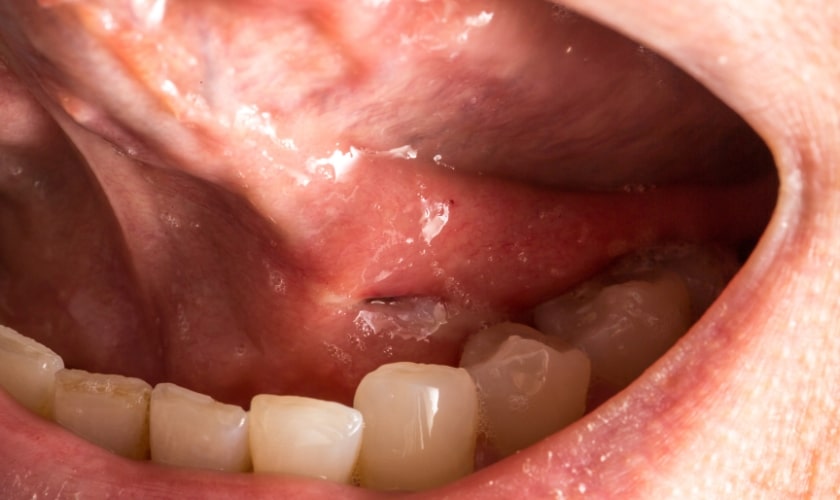
Oral cancer, also known as mouth cancer, is a type of cancer that develops in the tissues of your mouth. It can affect your lips, tongue, gums, inner cheeks, roof of the mouth (palate), and throat. Early detection is critical for successful treatment of oral cancer. This section will provide a comprehensive understanding of oral cancer, including its different types, risk factors, and prevalence.
What is Oral Cancer?
Oral cancer refers to the abnormal growth of cells within the mouth and throat. These abnormal cells have the potential to invade healthy tissues and spread to other parts of the body. There are various types of oral cancer, each affecting different areas of the mouth and throat.
Types of Oral Cancer
Here’s a breakdown of the most common types of oral cancer:
- Squamous Cell Carcinoma: This is the most prevalent type of oral cancer, accounting for around 90% of all cases. It affects the thin, flat cells (squamous cells) lining the inside of your mouth and lips.
- Verrucous Carcinoma: This is a rare form of oral cancer that typically grows slowly and has a wart-like appearance. It often affects the inner cheeks and gums.
- Salivary Gland Cancer: This cancer arises in the salivary glands, which produce saliva in your mouth. There are different subtypes of salivary gland cancer, each with varying aggressiveness.
- Minor Salivary Gland Carcinoma: These cancers develop in the small salivary glands scattered throughout the lining of your mouth and lips.
Risk Factors for Oral Cancer
Several factors can increase your risk of developing oral cancer. Here are some of the most prominent ones:
- Tobacco Use: Smoking cigarettes, cigars, or chewing tobacco significantly elevates your risk of oral cancer. The chemicals present in tobacco products directly damage the cells in your mouth.
- Excessive Alcohol Consumption: Heavy alcohol consumption, particularly when combined with tobacco use, has a synergistic effect, dramatically increasing the risk of oral cancer.
- Human Papillomavirus (HPV) Infection: Certain strains of HPV, particularly HPV16 and HPV18, are linked to an increased risk of oropharyngeal cancer, a type of head and neck cancer that affects the throat and the back of the tongue.
- Sun Exposure (Lip Cancer): Excessive sun exposure can raise the risk of lip cancer. Sun protection measures, like using lip balm with SPF, are essential.
- Other Risk Factors: Additional risk factors include a weakened immune system, a diet low in fruits and vegetables, genetic predisposition, and chronic mouth sores or irritations.
Signs and Symptoms of Oral Cancer
Early detection of oral cancer is crucial for successful treatment. Being aware of the signs and symptoms can help you identify potential problems and seek prompt medical attention. This section will explore the common signs and symptoms of oral cancer, along with self-examination techniques.
Early Signs and Symptoms of Oral Cancer
Oral cancer can manifest in various ways, and some signs and symptoms might be subtle at first. Here’s a list of common indicators to watch for:
- Mouth Sores That Don’t Heal: A persistent sore on your lip, tongue, gum, or inside your cheek that bleeds easily and doesn’t heal within two weeks is a cause for concern.
- Lumps in the Mouth or Neck: Lumps or bumps in your mouth, tongue, jaw, or neck that don’t disappear after a few weeks can be a sign of oral cancer.
- Bleeding Gums: Unexplained or persistent bleeding from your gums, particularly when brushing or flossing, could be a symptom of oral cancer.
- Loose Teeth or Dentures That Don’t Fit: Teeth loosening without apparent cause or dentures that no longer fit properly due to changes in your jawbone could indicate oral cancer.
- White or Red Patches Inside the Mouth: Leukoplakia (white patches) and erythroplakia (red patches) on the tongue or inner cheeks, especially if they persist, can be precancerous lesions or signs of early oral cancer.
- Changes in Speech or Difficulty Swallowing: Difficulty speaking, chewing, or swallowing due to pain or swelling in your mouth or throat can be a symptom of oral cancer.
- Numbness in the Mouth or Tongue: Numbness, tingling, or burning sensations in your mouth or tongue that persist for an extended period could be a sign of nerve damage caused by oral cancer.
It’s important to remember that these signs and symptoms can also be caused by other non-cancerous conditions. However, if you experience any of them, particularly if they persist for more than two weeks, it’s crucial to schedule an appointment with your Deforest dentist for a proper evaluation.
How to Perform a Self-Exam for Oral Cancer
While a self-exam cannot definitively diagnose oral cancer, it can help you identify potential problems that warrant further investigation by a healthcare professional. Here’s a simple guide for performing a self-exam for oral cancer:
- Stand in front of a well-lit mirror.
- Tilt your head back slightly and open your mouth wide. Carefully examine your lips, gums, tongue, cheeks, and the roof of your mouth for any sores, lumps, or changes in color or texture.
- Feel your lips, cheeks, jaw, and under your chin for any lumps or bumps.
- Stick out your tongue and examine the top, sides, and underside for any abnormalities.
- Gently press on your tongue to check for any tenderness or pain.
If you notice any concerning changes during your self-exam, don’t hesitate to schedule an appointment with your dentist in Deforest. Early detection is vital for successful oral cancer treatment.
Diagnosis and Treatment of Oral Cancer
If you experience any signs or symptoms suggestive of oral cancer, seeking professional medical attention is crucial. Early diagnosis allows for prompt treatment and improves the chances of a successful outcome. This section will delve into the diagnosis and treatment options for oral cancer.
Diagnosis of Oral Cancer
The diagnosis of oral cancer typically involves a multi-step process. Here’s a breakdown of the common procedures used:
- Physical Examination: Your dentist will visually examine your mouth, lips, throat, and neck for any abnormalities. They will also feel for lumps or bumps and check for signs of swelling or tenderness.
- Imaging Tests: Depending on the findings of the physical examination, imaging tests like X-rays, CT scans, or MRIs might be recommended. These tests can help visualize the extent of the cancer and determine if it has spread to other parts of the body.
- Biopsy: A biopsy is the most definitive way to diagnose oral cancer. A small tissue sample is extracted from the suspicious area and examined under a microscope by a pathologist to identify the presence of cancerous cells.
Treatment Options for Oral Cancer
The course of treatment for oral cancer depends on various factors, including the type and stage of the cancer, your overall health, and your preferences. Here’s an overview of the common treatment options:
- Surgery: Surgery is the primary treatment for most oral cancers. The extent of surgery depends on the location and size of the tumor. In some cases, lymph nodes in the neck might also be removed to prevent the spread of cancer.
- Radiation Therapy: Radiation therapy uses high-energy X-rays or other forms of radiation to destroy cancer cells. It can be used before surgery to shrink the tumor or after surgery to eliminate any remaining cancer cells. Radiation therapy can also be used as the primary treatment for some types of oral cancer.
- Chemotherapy: Chemotherapy involves the use of powerful drugs to kill cancer cells throughout the body. It is often used in conjunction with surgery or radiation therapy to increase the effectiveness of treatment.
- Targeted Therapy: Targeted therapy drugs focus on specific vulnerabilities within cancer cells, allowing for a more precise approach to treatment with potentially fewer side effects. This is a growing area of research in oral cancer treatment.
- Immunotherapy: Immunotherapy helps your body’s immune system recognize and attack cancer cells. While still under development for oral cancer, immunotherapy offers promising possibilities for future treatment options.
Choosing the Right Treatment Option:
The decision regarding the most suitable treatment plan will be made by your dentist in collaboration with you, considering the specific details of your case and your overall health.
Importance of Early Detection and Treatment: Early detection of oral cancer is paramount for successful treatment. When diagnosed at an early stage, the chances of a complete cure are significantly higher. Regular dental checkups and being aware of the signs and symptoms of oral cancer are essential for early detection.
Living With Oral Cancer
An oral cancer diagnosis can be overwhelming, but there are resources and support systems available to help you navigate through treatment and beyond. This section will address the challenges of living with oral cancer, including managing side effects and coping with the emotional impact of the diagnosis.
Side Effects of Oral Cancer Treatment
The various treatment options for oral cancer can cause side effects ranging from mild to severe. Here are some of the most common side effects:
- Pain: Surgery, radiation therapy, and some medications can cause pain in the mouth, throat, or face. Pain management strategies are crucial, and your Deforest dentist can recommend medication or other techniques to manage pain effectively.
- Difficulty Swallowing: This can occur due to swelling, pain, or scarring from treatment. Speech therapy can help improve your swallowing ability.
- Dry Mouth: Radiation therapy and some medications can decrease saliva production, leading to a dry mouth. Staying hydrated, using artificial saliva products, and sucking on sugar-free lozenges can help alleviate dryness.
- Changes in Taste and Smell: Treatment can alter your sense of taste and smell. These changes may be temporary or permanent.
- Fatigue: Treatment can make you feel tired and fatigued. Getting enough rest, maintaining a healthy diet, and exercising regularly (as tolerated) can help manage fatigue.
Managing Side Effects: Open communication with your dental expert is vital for managing side effects effectively. They can recommend medications, dietary modifications, or other therapies to address your specific needs.
Coping with Oral Cancer Diagnosis
A diagnosis of oral cancer can be emotionally challenging. Here are some strategies to help you cope:
- Seek emotional support: Talk to your family and friends about your feelings. Consider joining a support group for people with oral cancer to connect with others who understand your experience.
- Maintain a healthy lifestyle: Eating a balanced diet, getting regular exercise (as tolerated), and getting enough sleep can help improve your overall well-being and manage the challenges of treatment.
- Explore stress management techniques: Relaxation techniques like deep breathing exercises, meditation, or yoga can help manage stress and anxiety related to your diagnosis.
- Focus on the positive: While the diagnosis can be daunting, focus on your strength and resilience. Setting small, achievable goals and celebrating your progress during treatment can be motivating.
Remember, you are not alone in this journey. There are healthcare professionals, support groups, and resources available to help you through treatment and beyond.
Preventing Oral Cancer
Fortunately, there are steps you can take to reduce your risk of developing oral cancer. By adopting a healthy lifestyle and maintaining good oral hygiene, you can significantly decrease your chances. This section will provide you with actionable tips for oral cancer prevention.
Lifestyle Changes to Reduce Oral Cancer Risk
- Quitting Tobacco Use: This is the single most important step you can take to reduce your risk of oral cancer. If you use tobacco products, quitting is crucial. There are various resources available to help you quit smoking or chewing tobacco. Talk to your dentist about smoking cessation programs or medications that can aid the process.
- Limiting Alcohol Consumption: Excessive alcohol consumption can increase your risk of oral cancer, particularly when combined with tobacco use. Moderating your alcohol intake or abstaining altogether can significantly lower your risk.
- Sun Protection for Lips: Sun exposure can increase your risk of lip cancer. Protect your lips by using lip balm with SPF 30 or higher whenever outdoors, especially during peak sun hours (10 am to 4 pm).
- HPV Vaccination (if applicable): The HPV vaccine can help protect against HPV infection, which is linked to certain types of oropharyngeal cancer. Talk to your dentist to determine if HPV vaccination is right for you.
- Regular Dental Checkups: Schedule regular dental checkups and cleanings with your dentist. During these visits, your dentist in Deforest can screen for oral cancer and identify any precancerous lesions that can be treated early.
By incorporating these preventive measures into your lifestyle, you can significantly reduce your risk of developing oral cancer.
Remember, early detection is key! If you notice any concerning signs or symptoms, don’t hesitate to seek professional medical attention. The sooner oral cancer is diagnosed, the better the chances of successful treatment and a positive outcome.
Fight with Cancers
Oral cancer is a serious health condition, but with early detection and proper treatment, the prognosis can be favorable. This comprehensive guide has equipped you with knowledge about oral cancer, including its risk factors, signs and symptoms, diagnosis, treatment options, and preventive measures.
By understanding the risk factors and being aware of the warning signs, you can take a proactive approach to your oral health. Regular dental checkups, maintaining a healthy lifestyle, and quitting tobacco use are crucial steps in reducing your risk of oral cancer.
Frequently Asked Questions
Can oral cancer be cured?
Early-stage oral cancer often has a high cure rate with prompt treatment. The success rate depends on the stage and type of cancer at diagnosis. Early detection is crucial for improving the chances of a complete cure.
What are the long-term effects of oral cancer treatment?
Treatment for oral cancer can sometimes cause long-term side effects. These may include difficulty speaking or swallowing, changes in taste and smell, dry mouth, and fatigue. However, rehabilitation therapies and supportive care can help manage these side effects and improve your quality of life.
Are there any financial resources available to help with oral cancer treatment?
The financial burden of oral cancer treatment can be significant. Several organizations offer financial assistance programs to help patients with treatment costs. Talk to your dental expert or social worker about available resources in your area.