
821 S Main St, DeForest, Wisconsin 53532

How Often Should You Change Your Retainer?
DeForest, WI

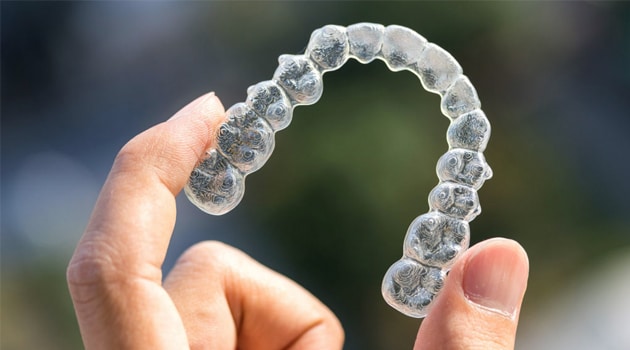
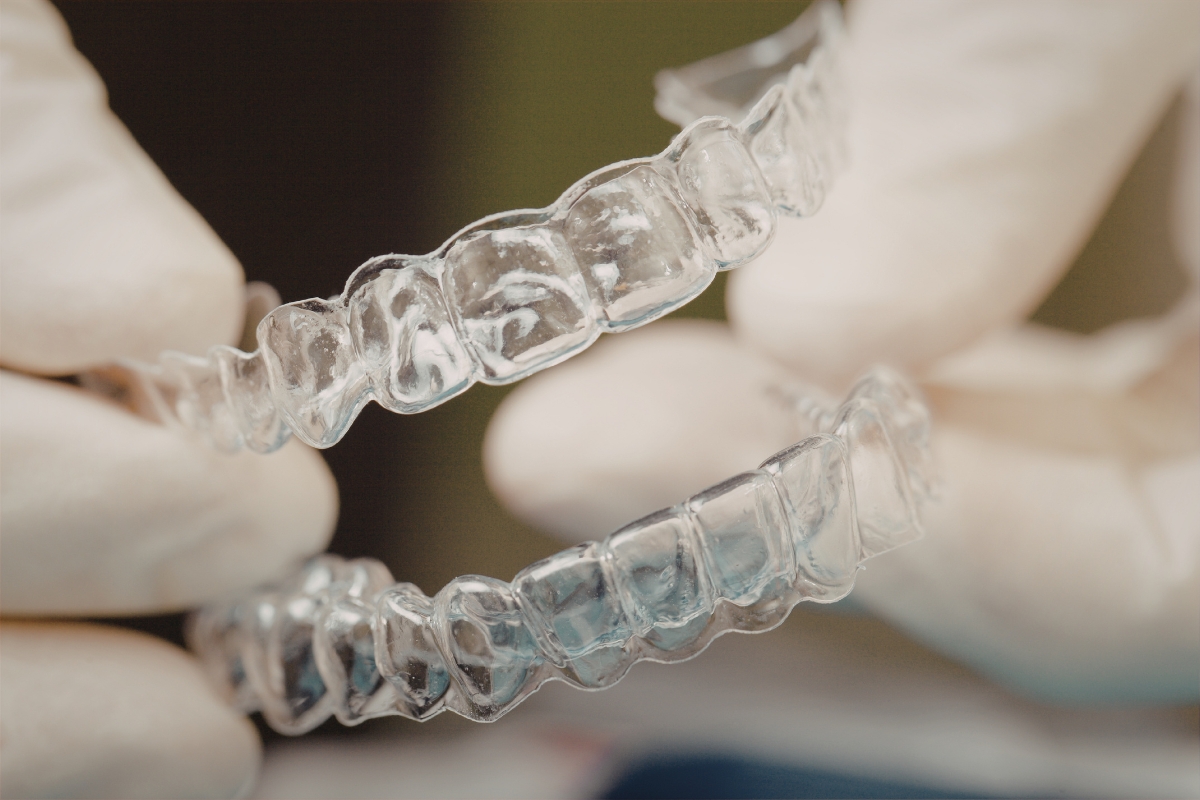
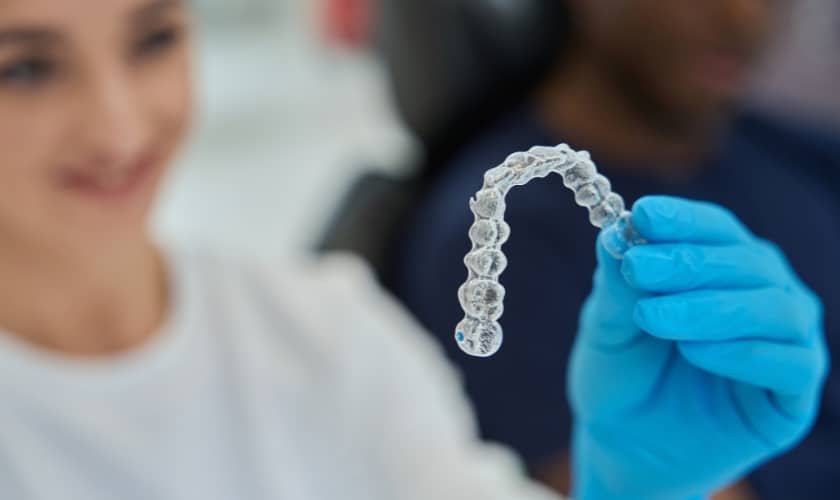
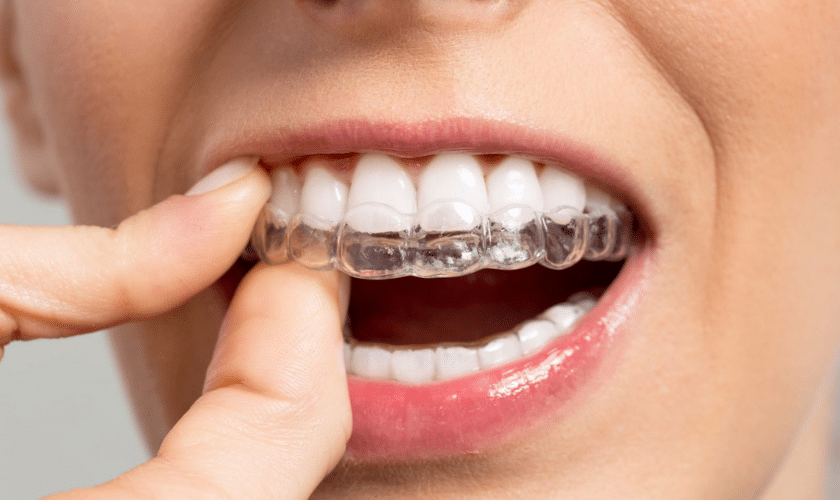
Once you’ve completed your orthodontic treatment, it’s tempting to think you’re done, but retainers are an essential part of maintaining that beautiful smile.
We often hear questions about why orthodontic retainers are so important and how often they should be changed. Wearing your retainer as recommended helps ensure your teeth stay in their new positions, preventing them from shifting back over time.
Today, we’ll explore everything you need to know about retainers, their maintenance, and the frequency of changing them.
Why Retainers Are Essential for Maintaining Your Smile
After undergoing orthodontic treatment, your teeth may want to shift back into their original positions. That’s where retainers come in. They’re designed to maintain the results of your orthodontic work by holding your teeth in their new positions while the surrounding bone and tissues stabilize. Without the consistent use of retainers, your investment in orthodontic care may be compromised.
Here’s why wearing retainers is crucial:
- Prevents Relapse: Teeth can gradually return to their previous alignment if retainers aren’t worn regularly.
- Helps with Jaw Stabilization: Your jawbone and ligaments take time to adapt to the new position of your teeth.
- Long-Term Results: Wearing your retainer ensures that your smile lasts for years to come.
Types of Orthodontic Retainers
There are two main types of orthodontic retainers: fixed and removable. Understanding which type you have—and how to take care of it—plays a significant role in ensuring the longevity of your results.
- Fixed Retainers
- These retainers are bonded to the back of your teeth and provide constant support to prevent shifting.
- Pros: Low maintenance since you don’t need to remember to wear them.
- Cons: Cleaning can be more difficult because they’re fixed in place.
- Removable Retainers
- These retainers are taken out when eating, brushing, or flossing.
- Pros: Easier to clean and you can remove them when necessary.
- Cons: Higher risk of being lost or forgotten.
How Often Should You Wear Your Retainer?
After your braces or aligners come off, we recommend wearing your retainer as directed by your orthodontist. Typically, you will need to wear it all the time for the first 3 to 6 months after treatment. This period is crucial because your teeth are most likely to shift back during this time. After that, most orthodontists suggest wearing your retainer nightly for the rest of your life.
When and How Often Should You Change Your Retainer?
Orthodontic retainers wear out over time. If your retainer is cracked, loose, or no longer fits, it’s time to replace it. But even if your retainer appears to be in good condition, regular replacement is necessary to maintain optimal oral hygiene and ensure effectiveness.
Here are some common signs that it’s time to change your retainer:
- Cracks or Breakage: A damaged retainer won’t hold your teeth in place properly.
- Loose Fit: If your retainer feels loose, your teeth may have shifted.
- Odor or Discoloration: Even with proper cleaning, retainers can build up bacteria over time.
Frequency of Changing Your Retainer:
- Plastic Removable Retainers: These typically need to be replaced every 6 to 12 months.
- Hawley Retainers: These can last longer, around 5 to 10 years, with proper care.
- Fixed Retainers: While the wire can last years, you should visit your orthodontist regularly to ensure it’s still bonded correctly.
Cleaning and Maintaining Your Retainer
Proper retainer care is just as important as wearing it consistently. If you don’t clean your retainer regularly, it can harbor bacteria, plaque, and even cause bad breath. Whether you have a fixed or removable retainer, we’ve outlined some best practices to keep it in great condition.
Tips for Cleaning Removable Retainers:
- Daily Cleaning: Gently brush your retainer with a soft-bristle toothbrush and non-whitening toothpaste.
- Soak It: Use a retainer cleaner or a mixture of water and mild dish soap once a week to keep it fresh.
- Avoid Hot Water: Hot water can warp the plastic of your retainer, so always use lukewarm water when cleaning.
Tips for Cleaning Fixed Retainers:
- Use a Water Flosser: A water flosser can help clean around the wire and in between teeth.
- Regular Brushing: Brush around the retainer and make sure to use floss threaders to clean between your teeth and the retainer.
What Happens If You Don’t Wear Your Retainer?
Life gets busy, and it’s easy to forget to wear your retainer. However, failing to wear it can lead to a number of issues that could compromise the results of your orthodontic treatment.
Risks of Not Wearing Your Retainer:
- Shifting Teeth: Teeth can quickly begin to shift out of alignment, especially in the months following treatment.
- Tight Fitting Retainers: If you don’t wear your retainer for a while, it may feel tighter when you put it back on, indicating that your teeth have already started to move.
- Potential for Relapse: In more severe cases, your teeth could return to their pre-treatment positions, necessitating additional orthodontic work.
How to Make Wearing Your Retainer a Habit
Wearing your retainer regularly is key to keeping your smile in check, but how do you make sure you don’t forget? Developing a few simple habits can make all the difference.
- Set a Reminder: Use your phone to set a daily reminder for wearing and cleaning your retainer.
- Keep It in a Case: Store your retainer in its case when not in use to avoid misplacing it.
- Routine Placement: Make putting your retainer in part of your bedtime routine so you don’t forget.
When to See Your Orthodontist About Retainers
It’s important to follow up with your orthodontist for retainer checkups to ensure everything is functioning as it should. If you notice your retainer is no longer fitting properly, or if there are any signs of wear and tear, schedule a visit to have it assessed.
Here’s when to see your orthodontist:
- If your retainer feels loose or too tight.
- If you notice cracks or damage.
- If it’s been more than a year since your last check-up.
Retainers are an essential part of maintaining your orthodontic results. By understanding how often to change your retainer, and how to care for it properly, you can ensure a long-lasting, beautiful smile. Remember, wearing your retainer consistently is just as important as wearing braces or aligners in the first place.
Take care of your retainer, and it will take care of your smile for years to come.