
821 S Main St, DeForest, Wisconsin 53532
Essential Oils For Your Teeth & Gums
DeForest, WI


Do you ever wish there was a natural way to keep your teeth and gums healthy? If you’re looking for an alternative to traditional tooth care, essential oils might be the answer. Plant-based extracts have been shown to have a wide range of oral health benefits, and are an increasingly popular approach to health. Essential oils can help you maintain optimal dental health by fighting bacteria, and plaque buildup, and even protecting enamel!
Essential oils are often used for natural health remedies, but did you know there are some good essential oils for teeth as well? Let’s take a look at some of the best essential oils for teeth and how they can be used to support oral health in this blog post. If you’re looking for natural ways to clean your teeth or freshen your breath, read on to discover the best essential oils for your teeth.
Why Do Essential Oils Work For Teeth Cleaning & Oral Health?
These natural, healthful substances can be used for a variety of things, including tooth cleaning and other oral health practices.
The dentist takes a comprehensive approach to enhance both dental health and overall bodily wellness. Dentists who specialize in this branch of dentistry have begun incorporating essential oils into their practice due to the impressive benefits they offer. They promote an organic method, recognizing it as a healthier alternative to chemical-based solutions. By utilizing natural techniques rather than chemicals, strong and healthy teeth and gums can be achieved. Essential oils can be used together with other oral treatments such as oil pulling and pH-balanced tooth enamel helpers to achieve astounding results in a natural way.
Top Essential Oils For Teeth Cleaning & Oral Health
Clove Oil:
Some essential oils have been adopted as beneficial for teeth cleaning and overall oral hygiene in.
By killing inflammation and minimizing bacterial growth, clove oil can help reduce or eliminate toothaches. Among the active ingredients in clove oil is eugenol, a natural anesthetic that helps numb and reduce pain during toothaches. Eugenol also has natural anti-inflammatory properties, and multiple studies have proved the effectiveness of Eugenol, including this study, which found it to be as effective as benzocaine, and another demonstrating Eugenol’s effectiveness.
Peppermint Oil:
There’s no doubt that peppermint oil has a minty, fresh scent, but its power goes beyond that. It fights germs responsible for bad breath, cavities, and other oral health issues. According to this study, peppermint oil and leaves possess antiseptic, antibacterial, antiviral, antifungal, antioxidant, and antispasmodic properties in oral preparations.
Tree Tea Oil:
There’s no better option than tea tree oil for serious dental care. Although this one is strong and should be used sparingly due to its concentration, it’s also known for its antibacterial properties, which help reduce plaque build-up on teeth surfaces and gums. This study, published in the European Journal of Dentistry, shows that Tea Tree Oil can be as effective in controlling plaque build-up in gingivitis patients as prescription Chlorhexidine mouthwash.
What Are The Best Ways To Clean Teeth With Essential Oils?
While brushing and flossing twice daily is the best way to keep your teeth clean essential oils can be effective alternatives. By using the right ingredients for teeth cleaning with essential oils, madison dentistry can reduce bacteria that cause bad breath, cavities, gum disease, and more.
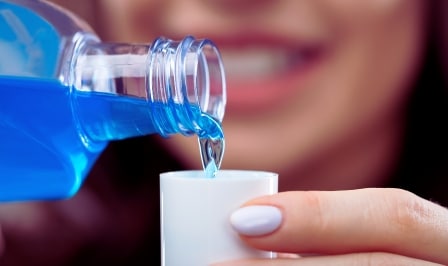
You can fight harmful bacteria by adding small amounts of essential oils to your toothpaste or mouthwash.
Teeth Cleaning & Oral Health Benefits of Essential Oils:
In recent years, essential oils have gained popularity as a natural and effective remedy for dental problems.
In terms of oral health, essential oils provide the following benefits:
Bad Breath Prevention:
If you suffer from stinky breath, you can eliminate it by using essential oils. Peppermint, tea tree, sage, myrrh, clove, and eucalyptus essential oils are the best. For 30 seconds, rinse your mouth with water or a homemade mouthwash and mix 3 drops of any essential oil of your choice.
Promote Gum Health:
In addition to being antimicrobial, essential oils also increase blood flow to gums, which can soothe them. For treating gum issues, essential oils are better. Clove oil has antimicrobial properties, while myrrh oil can calm and heal gums. Essential oils are better for treating certain gum problems.
Prevent cavities and tooth decay:
The numbing effect of essential oils like lavender helps reduce plaque-causing bacteria and strengthen your teeth. It helps reduce the effects of cavities caused by poor dental hygiene.
You can keep yourself healthy and safe by taking such precautions when cleaning and caring for your oral health.
Essential oils are powerful tools that can be used for many different purposes, If you’re interested in incorporating natural methods into your dental hygiene, consider exploring essential oils. It is crucial to conduct thorough research and select the appropriate oil for your specific needs. Additionally, it’s always wise to consult with a Madison dentist or another expert before applying essential oils to your teeth or gums.