

821 S Main St, DeForest, Wisconsin 53532

TMJ Triumph: Embrace Relief and Renewed Quality of Life
DeForest, WI

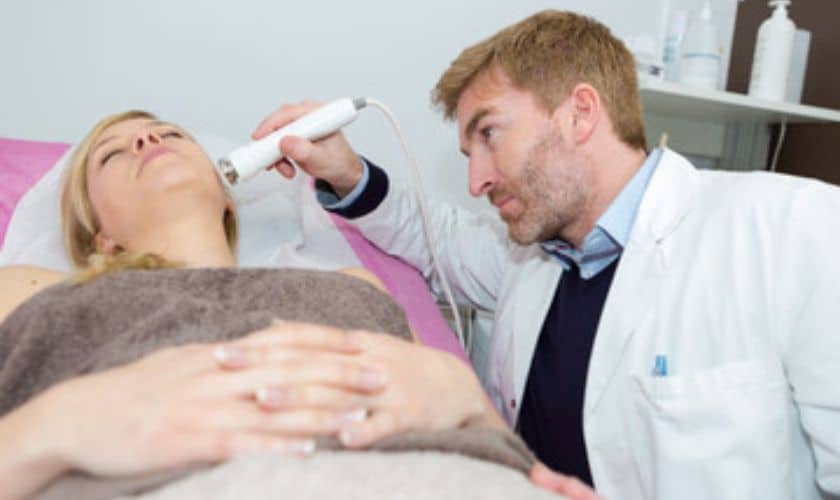
Welcome to the world of TMJ treatment, where relief and renewed quality of life await you. TMJ, or temporomandibular joint disorder, can cause a range of uncomfortable symptoms that affect your jaw and surrounding areas. But fret not, as there are effective treatments available to alleviate your pain and discomfort. In this journey towards TMJ triumph, you will discover the transformative power of specialized therapies and interventions that target the root causes of TMJ. Say goodbye to jaw pain, headaches, and restricted movement, and embrace a life of comfort, functionality, and renewed joy. It’s time to reclaim your smile and experience the bliss of TMJ triumph.
Understanding TMJ and its Impact
Temporomandibular joint (TMJ) disorder is a condition that affects the jaw joint and surrounding muscles. Understanding TMJ and its impact is crucial for individuals seeking relief and improved quality of life. This section explores the nature of TMJ, including its causes, risk factors, and common symptoms. It delves into the physical and emotional impact of TMJ on daily activities, such as eating, speaking, and even sleeping. By shedding light on the challenges faced by TMJ sufferers, we can better comprehend the importance of seeking proper diagnosis and treatment to alleviate pain, restore function, and enhance overall well-being.
Diagnosis and Evaluation
Diagnosing and evaluating TMJ involves a comprehensive assessment of the patient’s symptoms, medical history, and a thorough examination of the jaw joint and surrounding structures. This section focuses on the various diagnostic techniques used by healthcare professionals to accurately identify TMJ disorders. It explores the importance of a detailed evaluation, including physical examination, imaging tests, and dental occlusion analysis. Additionally, it highlights the significance of seeking specialized care from professionals experienced in diagnosing and treating TMJ conditions. By understanding the diagnostic process, individuals can take proactive steps towards finding appropriate treatment options and achieving relief from TMJ symptoms.
Treatment Options for TMJ
When it comes to treating TMJ, there are several options available depending on the severity and underlying causes of the condition. This section explores three common treatment approaches:
1. Non-invasive treatments: These may include lifestyle modifications, stress management techniques, physical therapy, and the use of oral splints or mouthguards to alleviate symptoms and promote jaw relaxation.
2. Medications: In some cases, medications such as nonsteroidal anti-inflammatory drugs (NSAIDs), muscle relaxants, or corticosteroids may be prescribed to reduce pain, inflammation, and muscle tension associated with TMJ.
3. Dental procedures: For more severe cases, various dental procedures may be recommended, including orthodontic treatment, occlusal adjustments, or dental restorations to correct bite misalignment and improve jaw function.
It’s important to consult with a healthcare professional specializing in TMJ to determine the most suitable treatment approach for individual needs.
Advanced TMJ Treatment Techniques
In cases where traditional treatments have not provided sufficient relief, advanced techniques for TMJ treatment may be considered. Here are three examples:
1. Botox injections: Botulinum toxin (Botox) injections can be used to relax the jaw muscles and reduce muscle spasms associated with TMJ. This can help alleviate pain and improve jaw function.
2. Arthrocentesis: This minimally invasive procedure involves the insertion of small needles into the TMJ joint to flush out debris and reduce inflammation. It can help relieve pain and restore joint mobility.
3. Jaw surgery: In severe cases of TMJ, orthognathic surgery may be recommended to correct underlying jaw alignment issues and improve overall function. This surgery may involve repositioning the jaw or modifying the TMJ joint.
These advanced treatment techniques should be performed by experienced professionals specializing in TMJ disorders and tailored to individual needs.
Lifestyle Changes and Self-Care for TMJ
In addition to professional treatments, incorporating certain lifestyle changes and self-care practices can help manage TMJ symptoms. Here are three points to consider:
1. Stress management: Stress can contribute to TMJ symptoms, so finding effective stress management techniques like relaxation exercises, meditation, or counseling can be beneficial.
2. Jaw exercises and stretches: Performing gentle jaw exercises and stretches recommended by a healthcare professional can help improve jaw mobility, relieve tension, and strengthen the jaw muscles.
3. Diet modification: Avoiding hard, chewy, or sticky foods that can strain the jaw joints can help alleviate TMJ symptoms. Opting for a softer diet and cutting food into smaller, bite-sized pieces can reduce stress on the jaw.
Remember, it’s important to consult with a healthcare professional or TMJ specialist for personalized advice on lifestyle modifications and self-care practices based on your specific condition and needs.
FAQs
1. What are the common symptoms of TMJ disorder?
Common symptoms of TMJ disorder include jaw pain, clicking or popping sounds in the jaw, difficulty in opening or closing the mouth, facial pain, headaches, and earaches.
2. How is TMJ disorder diagnosed?
TMJ disorder is typically diagnosed through a combination of physical examination, medical history review, and imaging tests such as X-rays or MRI scans.
3. What are the treatment options for TMJ disorder?
Treatment options for TMJ disorder may include pain medications, physical therapy, splints or mouthguards, lifestyle modifications, and in some cases, dental or orthodontic interventions.
4. Can TMJ disorder be cured?
While TMJ disorder cannot always be completely cured, many people experience significant improvement in their symptoms with appropriate treatment and management techniques.
5. How long does it take to see improvement with TMJ treatment?
The timeline for improvement with TMJ treatment varies based on the condition’s severity and the effectiveness of the chosen approach. Relief may occur in a few weeks for some, while others may need longer-term management. It’s crucial to collaborate with a healthcare professional, such as a Madison dentist, to monitor progress and adjust the treatment plan as needed.
In conclusion, TMJ treatment offers hope for individuals experiencing the debilitating symptoms of this disorder. With the right diagnosis, evaluation, and treatment plan, relief and improved quality of life can be achieved. From conservative approaches to advanced techniques, a personalized approach can address the underlying causes and alleviate the symptoms. By implementing lifestyle changes and practicing self-care, individuals can play an active role in managing their TMJ disorder. Consulting with a healthcare professional experienced in TMJ treatment is crucial for effective management and long-term success in overcoming TMJ challenges.