
821 S Main St, DeForest, Wisconsin 53532
Advanced Oral Hygiene Techniques: Beyond Brushing and Flossing
DeForest, WI

Did you know that nearly 50% of adults over 30 have some form of gum disease? Many people believe that brushing and flossing are enough for good oral hygiene, but this is a misconception. While these two practices are vital, they do not cover all aspects of oral health. Advanced oral hygiene techniques can significantly enhance your overall health and reduce the risk of serious dental issues.
This blog will explore various advanced methods that can elevate your oral care routine. It will guide you through the latest tools and techniques for optimal oral hygiene, from interdental brushes to water flossers.
The Importance of Oral Hygiene
Maintaining good oral hygiene is crucial for more than just healthy teeth. Poor oral health can lead to serious systemic health issues.
Research shows a strong link between oral hygiene and diseases such as heart disease and diabetes. The bacteria in your mouth can enter your bloodstream, contributing to inflammation and infection. This connection emphasizes the need for effective oral hygiene practices.
Common oral health issues include gum disease, cavities, and bad breath. Gum disease affects nearly 70% of adults at some point in their lives. It starts as gingivitis and can progress to periodontitis, leading to tooth loss.
Cavities caused by tooth decay remain among the most prevalent health issues worldwide. Bad breath, or halitosis, often results from poor oral hygiene, and it can be socially embarrassing. Addressing these issues requires more than just brushing and flossing. It demands a comprehensive approach to oral hygiene.
Advanced Techniques Overview
What exactly qualifies as “advanced” oral hygiene techniques? These are methods that go beyond the basics of brushing and flossing. They involve specialized tools and practices that target areas of the mouth that standard techniques may miss.
Advanced techniques are designed to improve cleaning efficiency and enhance overall oral health. By incorporating these methods into your daily routine, you can achieve a level of cleanliness that significantly reduces your risk of dental problems.
This blog will explore various advanced techniques and explain how each can benefit your oral hygiene routine.
Detailed Breakdown of Advanced Techniques
A. Interdental Brushes
Interdental brushes are small, handheld tools designed to clean between your teeth. They come in various sizes to fit different gaps.
To use them, gently insert the brush between your teeth and move it back and forth. These brushes can reach areas that traditional floss cannot. They effectively remove plaque and food particles, reducing your risk of cavities and gum disease.
Many people find them easier and more effective than floss, making them a popular choice for advanced oral hygiene.
B. Water Flossers
Water flossers use pulsating water to remove debris and plaque between teeth. They are especially helpful for people with braces or dental implants.
Using a water flosser, direct the water stream between your teeth and along the gum line. While effective, water flossers may not replace traditional floss for everyone. They can be less effective at removing plaque compared to string floss.
However, they provide an excellent alternative for those who struggle with flossing. If you have specific dental needs, consider incorporating a water flosser into your routine.
C. Mouthwash and Rinses
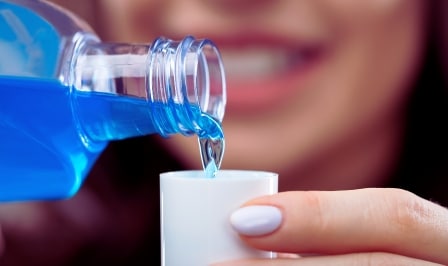
Mouthwash comes in various forms, including antimicrobial, fluoride, and natural options. Antimicrobial mouthwash kills bacteria and helps prevent gum disease. Fluoride mouthwash strengthens tooth enamel and reduces decay. Natural mouthwash options often use essential oils for a gentler approach.
To maximize benefits, rinse your mouth for at least 30 seconds after brushing. Choose a mouthwash that suits your oral health needs and use it regularly for better results.
D. Tongue Scrapers
Tongue scrapers are essential tools for removing bacteria and debris from your tongue. A clean tongue helps combat bad breath and improve taste sensation. To use one, gently scrape from the back of your tongue to the front.
Rinse the scraper after each pass. Make this practice a daily habit for improved oral hygiene and fresher breath. Many people overlook the importance of tongue cleaning, but it plays a significant role in overall oral health.
E. Dental Tools and Gadgets
Electric toothbrushes offer several advantages over manual brushing. They often provide a more thorough clean, and many have timers to ensure you brush for the recommended two minutes.
Other dental tools, like periodontal picks and dental scalers, can help maintain gum health. These tools target specific areas, making them useful for individuals with gum disease. Incorporating electric toothbrushes and other dental gadgets into your routine can improve oral health outcomes.
F. Saliva Substitutes and Dental Gels
Dry mouth can lead to various oral health issues, including cavities and gum disease. Saliva substitutes and dental gels can help relieve dry mouth symptoms. They help maintain moisture in the mouth and promote saliva production.
Recommended products often contain ingredients like xylitol or aloe vera for added benefits. If you suffer from dry mouth, consult your dentist about suitable products for your needs.
Integrating Advanced Techniques into Your Routine
Incorporating advanced techniques into your daily oral hygiene routine does not have to be complicated. Start by choosing one or two techniques that resonate with you, such as interdental brushes and mouthwash. Gradually add others as you become comfortable. Create a checklist to ensure you include all essential practices.
A personalized oral hygiene plan can further enhance your routine. Begin by assessing your specific needs. Consider factors like dental history, current oral health status, and lifestyle. Tailor your routine to address these needs.
For example, if you struggle with gum disease, prioritize techniques that promote gum health, like tongue scrapers and mouthwash. Regularly review and adjust your plan as needed, and do not hesitate to consult your DeForest dentist for professional advice.
Common Mistakes to Avoid
While advanced techniques can improve oral hygiene, it is essential to avoid overdoing them. Using too many products or devices can lead to irritation or damage to your gums and teeth. Focus on quality over quantity. Choose a few advanced techniques that you can consistently incorporate into your routine.
Additionally, never neglect professional dental care. Regular check-ups are crucial for monitoring your oral health. Your dentist can identify potential issues early and recommend appropriate treatments. Make sure to schedule routine visits every six months, even if you follow an advanced oral hygiene routine at home.
In summary, advanced oral hygiene techniques can significantly improve your dental health. Interdental brushes, water flossers, mouthwash, tongue scrapers, and dental gadgets all play essential roles. These methods complement traditional brushing and flossing, providing a comprehensive approach to oral care. Explore these techniques and consult your dental professional for personalized advice. Taking proactive steps today will lead to a healthier smile tomorrow!