821 S Main St, DeForest, Wisconsin 53532

Root Canal Aftercare 101: How to Ensure a Smooth Recovery
DeForest, WI

Have you recently undergone a root canal procedure and wondered how to care for yourself afterward? Root canals are a common dental surgery often necessary for saving infected or damaged teeth. While the thought of recovery may seem daunting, taking proper aftercare measures will ensure a smooth and quick healing process. In this blog post, we’ll provide essential tips and tricks for caring for your mouth following a root canal procedure so you can return to your routine quickly!
What is a Root Canal?
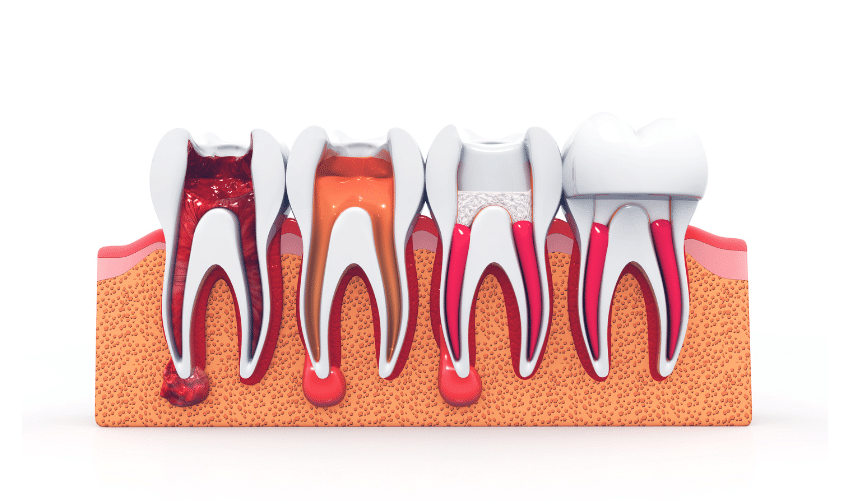
A root canal is a surgery to remove a tooth’s diseased or infected root. The roots are located inside the tooth and below the gum line. It is often needed when the tooth becomes infected or when damage to the roots makes it difficult for the teeth to rotate in their sockets.
Types of Root Canals
- It can be performed on various teeth, depending on the severity of the toothache. If a root canal is necessary and there is no other option, it is usually recommended that the patient be given general anesthesia. The dentist will first probe the tooth to determine if it needs to be extracted or just a root canal. If the tooth is just a root canal, a local anesthetic will numb the area around the tooth.
- The dentist then opens the gum using special tools and removes any damaged or infected dentin with a small curette drill. Once the damaged dentin has been removed, they will fill the space with dental cement and finish drilling out the offending root. The patient may experience mild pain following this procedure but should generally subside within a few days.
- If there are any complications during or after the root canals procedure, such as infection or gum loss, your dentist may need to perform additional procedures to restore your smile. Always speak with your doctor about any potential risks before undergoing any dental work so that you can make an informed decision about your treatment plan.
Preparation for a Root Canal
If you are considering a root canal, consult your dentist and get all the information needed before your appointment.
Here are some tips to help you prepare for your this procedure:
1. Make an appointment with your dentist as soon as possible.
2. Bring a list of all your medications, including over-the-counter ones.
3. Take a history of your dental problems and any current treatments you are undergoing.
4. Arrive at the dental office prepared to have X-rays taken if necessary to determine if a root canal is required.
5. Wear comfortable clothing that will not irritate the procedure (e.g., no neckties).
6. Be aware that some people may experience moderate pain after having a root canal; however, most patients find it relatively brief and tolerable. If you experience excessive pain or discomfort, contact your dentist immediately!
Dental Hygienist’s Role in the Root Canal Process
- Dental hygienists are essential in the root canal process because they are responsible for determining if a patient is a good candidate for a root canal and providing the necessary care during and after the procedure.
- Hygienists use their knowledge of dentistry and oral health to assess whether a tooth needs treatment. For example, if they determine that a tooth requires root canal treatment, hygienists will work with the dentist to create an individualized care plan.
The following are some key steps in the root canal process:
1) The dentist will evaluate the tooth and decide whether it requires treatment.
2) If it is determined that a tooth needs treatment, the dentist will prepare an examination area by cleaning and sanitizing the surrounding area.
3) The dentist will remove any decay or other debris around the tooth using endodontic instruments.
4) The dentist will place an infiltration device in the pulp chamber (the inner part of the tooth where nerves and blood vessels are located). This device helps to provide irrigation while removing decay from within the tooth.
5) The dentist will place an endodontic tube into the pulp chamber under pressure (suction). This tube is inserted through one of several access points on either side of the tooth (known as the site).
6) The doctor removes any dental plaque or calculus (tartar build
Postoperative Care
Following your dentist’s advice after Root Canal treatment is necessary for speedy recovery, following are some of them:
1. Follow up with your dentist’s office
One of the most important things you can do after having a root canal is to follow up with your dentist’s office. It is especially important if there is any pain or discomfort during the procedure. By checking in with your dentist, they can monitor the healing process and ensure no problems.
2. Use a sore toothbrush
If you did experience any pain or discomfort during the root canal procedure, it is very important to use a sore toothbrush. It will help remove any plaque and debris around the teeth and gums. Additionally, using a sore toothbrush will help speed up the healing process.
3. Do not drink alcohol or eat spicy foods
While it may seem like a great idea to drink alcohol or eat spicy food after having a root canal, these activities are not recommended. Drinking alcohol can increase inflammation while eating spicy foods can damage delicate tissue around your teeth. Instead, drink plenty of fluids and stick to bland foods when recovering from a root canal procedure.
Rest and Recovery
There are a few things that you can do to ensure a smooth recovery following a this procedure. Follow these tips, and you should have no major issues.
- First, take it easy for the first few days after the procedure. You won’t be able to do much physical activity, so relax and let your body heal. Additionally, drink plenty of fluids and avoid caffeine and alcohol since they can further dehydrate you.
- If you experience pain or discomfort after the root canal, see your doctor immediately. They can give you some medications to help relieve the pain and may also recommend rest or additional treatments such as wound care or hot compress applications.
- Remember that root canal treatment is an invasive procedure and should be done only if a real problem with the teeth needs to be fixed. Don’t go through with it if there isn’t anything wrong – it could be more painful and costly than necessary.
Prevention of Recurrence
Root canal therapy is a delicate procedure that should be carried out only by a qualified dentist. Follow these tips to prevent its reoccurrence:
1.Ensure your Madison dentist is adequately qualified to conduct root canals. Specialized training in performing root canals equips dentists to effectively clean and treat teeth, reducing the likelihood of recurring issues.
2. Always ask your dentist about any potential risks before undergoing the procedure. For example, if you have a history of periodontal disease, your dentist may recommend postponing the root canal until after successful periodontal treatment.
3. Keep your dental appointments and follow your dentist’s instructions carefully. Don’t try to do anything independently during or after the procedure that could impact your recovery.
4. Maintain good oral hygiene habits after completing root canal therapy. Brush and floss regularly, and avoid snacks and sugary drinks that could cause tooth decay