821 S Main St, DeForest, Wisconsin 53532
Top Mouthwash Tips for Fresh Breath and Unparalleled Oral Health
DeForest, WI
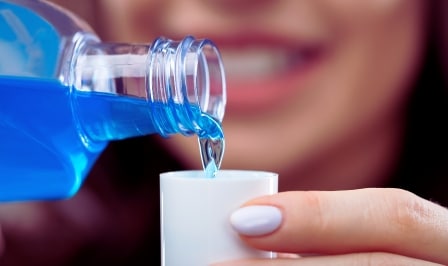
We all want to maintain a fresh breath throughout the day. Bad breath or halitosis makes us self-conscious to speak with others nearby. We fear others can sniff our stinky breath, and they might condemn us for our smelly breath. But it doesn’t need to be your reality! You can achieve a clean mouth and skip the worries of bad-smelling breath. You might wonder how? The most straightforward answer is mouthwash. However, the trick is picking the right mouthwash for your particular needs and using the right product effectively. Need mouthwash tips for long-term fresh breath and improved oral health? Here’s the lowdown.
1. Choose the Right Mouthwash
People often misunderstand mouthwashes as being created equal. But this is far from the truth! Some merely cover up the odor, while others eliminate bacteria. The right one caters to your individual needs.
- Antiseptic mouthwashes: They destroy bad breath-producing oral bacteria, cavities, and gum disease.
- Fluoride mouthwashes: They strengthen teeth enamel and prevent cavities.
- Alcohol-free products: These have your back if you want a product that doesn’t cause irritation and dry mouth.
2. Read the Ingredients List
Mouthwash is supposed to do more than just leave your breath smelling fresh. Check for:
- Chlorhexidine or cetylpyridinium chloride that kills bacteria and plaque.
- Fluoride that prevents tooth decay.
- Xylitol, which stops bacteria from growing and eliminates the risk of cavities.
3. Use Mouthwash At the Right Time
We often don’t pay much attention to the time of using mouthwash. We simply assume that rinsing the mouth with a mouthwash after meals is enough to eliminate mouth bacteria. But according to dentist DeForest,:
- You must use the mouthwash after brushing and flossing to remove residual food particles
- Use mouthwash before bed to keep bacteria under control during the night when saliva flow decreases.
- Wait 30 minutes after meals to remove food particles.
4. Steer Clear of Common Pitfalls
Most individuals improperly use mouthwash, undermining its benefits. Avoid the following mistakes:
- Rinsing with water afterward can lower the efficacy of mouthwash as water dilutes active ingredients in mouthwash.
- Swallowing mouthwash may cause irritation and gastrointestinal discomfort.
- Excessive use of alcohol-based products can dry out the mouth and make halitosis worse.
- Treating mouthwash as a replacement for brushing and flossing
5. Drink Plenty of Water to Maximise Results
A dry mouth worsens bad breath. Proper hydration supports saliva production, which acts as a natural antimicrobial against odor-causing bacteria. You can also incorporate plenty of green tea into your routine, as it contains polyphenols that help inhibit bacterial growth.
6. Use Mouthwash in Combination with Regular Oral Habits
For optimal effect, mouthwash is best used with an oral care regimen.
- Brush twice a day with fluoride toothpaste.
- Floss once a day to remove food debris and plaque.
- Include crunchy fruits and vegetables in your diet
- Visit a dentist regularly for dental cleanings and checkups.
Mouthwash is an excellent weapon, but using it correctly makes all the difference. The right formula, timing, and habits produce fresh breath and improved oral health. Need tailored tips on how to keep your mouth fresh and healthy? Contact our licensed dental professional for advice.