821 S Main St, DeForest, Wisconsin 53532
Halloween Candy and Your Smile: How Long Does Sugar Affect Your Teeth in DeForest?
DeForest, WI
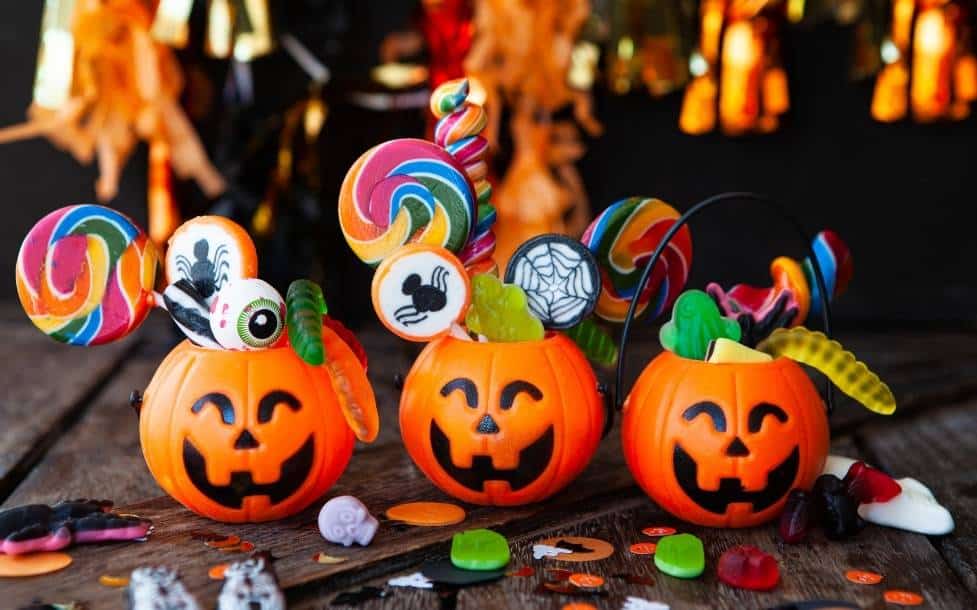
Halloween is a time for costumes, spooky decorations, and, most importantly, candy! During this festive season, people indulge in a variety of sugary treats. But as we celebrate with sweets, it is crucial to consider their impact on our teeth. Sugar plays a significant role in tooth decay, raising concerns for our dental health. For residents of DeForest, understanding how Halloween candy affects your smile is essential.
This blog explores how long sugar can impact teeth and offers tips for keeping smiles healthy this Halloween season.
The Sweet Side of Halloween
Halloween candy comes in many forms, each with its own charm. Chocolate bars, gummy bears, and hard candies delight trick-or-treaters. During Halloween, Americans consume around 600 million pounds of candy, which shows how much we enjoy this festive tradition.
Trick-or-treating allows people to visit homes and collect treats, creating joyful memories. Families celebrate together, sharing the excitement of discovering their favorite candies. Halloween candy is more than just a treat. It represents fun, tradition, and community spirit.
However, while indulging in sweets brings joy, it also raises questions about dental health. Balancing enjoyment with care for our teeth is crucial during this sugary holiday.
Understanding Sugar and Dental Health
Sugar directly affects our teeth in several ways. When we consume sugar, bacteria in our mouths feed on it. These bacteria produce acids as a byproduct, which attack tooth enamel.
Over time, repeated acid attacks can lead to tooth decay. Hard candies and sticky gummies are particularly harmful. They stay on teeth longer, increasing the risk of decay. For example, a single gummy bear contains about 2 grams of sugar, which can lead to more bacteria.
The immediate effects of sugar consumption can include sensitivity and discomfort. If you eat candy and do not brush your teeth afterward, the sugar lingers. This situation creates an ideal environment for tooth decay. Understanding how sugar interacts with our teeth helps us make informed choices during Halloween.
The Duration of Sugar’s Effects
The effects of sugar on your teeth can last hours to days, depending on several factors. After consuming sugary treats, bacteria in the mouth start to produce acids within just 20 minutes. These acids begin attacking tooth enamel, leading to potential decay. The longer sugar remains in contact with your teeth, the greater the risk of damage.
For example, if you consume sticky candies like gummy bears, the sugar can cling to your teeth for an extended period, allowing bacteria to thrive and produce acids. In contrast, chocolates may wash away more quickly, reducing the duration of sugar’s harmful effects.
Several factors influence how long sugar can impact your teeth. First, your oral hygiene habits play a crucial role. Regular brushing and flossing can significantly reduce the duration of sugar exposure by removing food particles and plaque that harbor bacteria. If you brush your teeth after eating sweets, you can minimize the time that sugar affects your teeth.
Second, the type of candy matters. Hard candies dissolve slowly, prolonging sugar contact with teeth, while chewy or sticky candies tend to stick, making them even more damaging.
Individual susceptibility also affects how long sugar impacts dental health in DeForest. Some people may have stronger enamel or higher saliva flow, which helps neutralize acids more effectively. Others may have more sensitive teeth or weaker enamel, making them more vulnerable to decay.
There are common misconceptions about sugar and dental health that can mislead people. For example, many believe that only sugary snacks lead to cavities, but acidic foods and drinks can also erode enamel.
Additionally, brushing immediately after consuming candy prevents decay. However, it is better to wait about 30 minutes to allow enamel time to re-mineralize before brushing. Understanding these aspects helps residents of DeForest make informed choices to protect their smiles.
Tips for Protecting Your Smile This Halloween
Healthy Alternatives to Candy: Consider offering healthier treats during Halloween. Options like popcorn, pretzels, or fruit snacks can satisfy cravings without excessive sugar. Dark chocolate can also be a better choice, as it often contains less sugar than traditional candies. Enjoying these alternatives can promote healthier habits.
Best Practices for Oral Hygiene: Brushing your teeth at least twice daily is essential, especially during Halloween. Use fluoride toothpaste and a soft-bristled toothbrush. Brush for at least two minutes, ensuring you reach all areas of your mouth.
Additionally, rinsing your mouth with water after consuming candy can help wash away sugar. Drinking water throughout the day can also keep your mouth hydrated and reduce acid buildup.
When to Visit the Dentist: Regular dental check-ups are crucial for maintaining your smile. Schedule visits at least twice a year for professional cleanings and examinations. Your dentist can identify early signs of decay and advise on maintaining oral health. This proactive approach can help prevent cavities and other dental issues.
In conclusion, Halloween candy can significantly impact your dental health. Understanding how sugar affects your teeth helps you make informed choices during this festive season.
Opt for healthier treats, practice good oral hygiene, and keep up with dental check-ups to protect your smile. This Halloween, enjoy the treats while caring for your teeth!