821 S Main St, DeForest, Wisconsin 53532

Dental Implant Failure Rates: Understanding the Risks & Maximizing Success
DeForest, WI

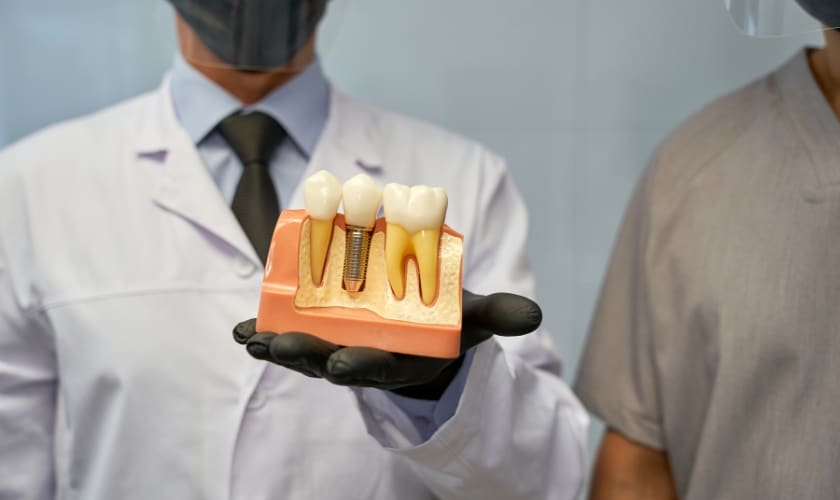
Dental implants are a popular and long-lasting solution for replacing missing teeth. They offer numerous advantages over traditional bridges and dentures, but like any medical procedure, they are not without risks. In this first section, we’ll explore what dental implants are, how they function, and the two main types of implant failure.
Benefits of Dental Implants
Compared to other tooth replacement options, dental implants boast several benefits:
- Improved Aesthetics: Implants look and function like natural teeth, restoring your smile and confidence.
- Enhanced Speech: Traditional dentures can sometimes slip or cause difficulty speaking clearly. Implants eliminate these issues.
- Durability and Stability: Implants are surgically placed in the jawbone, providing a strong and stable foundation for your replacement tooth.
- Improved Oral Health: Unlike bridges that require modification of healthy teeth, implants are self-supporting and don’t affect neighboring teeth.
- Long-Term Investment: With proper care, dental implants can last a lifetime, making them a cost-effective solution in the long run.
How Dental Implants Work
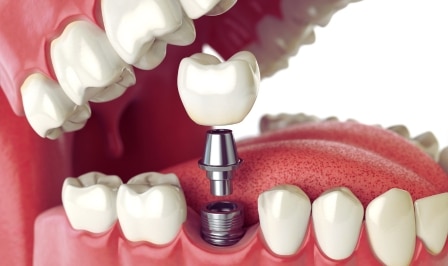
A dental implant consists of two main parts:
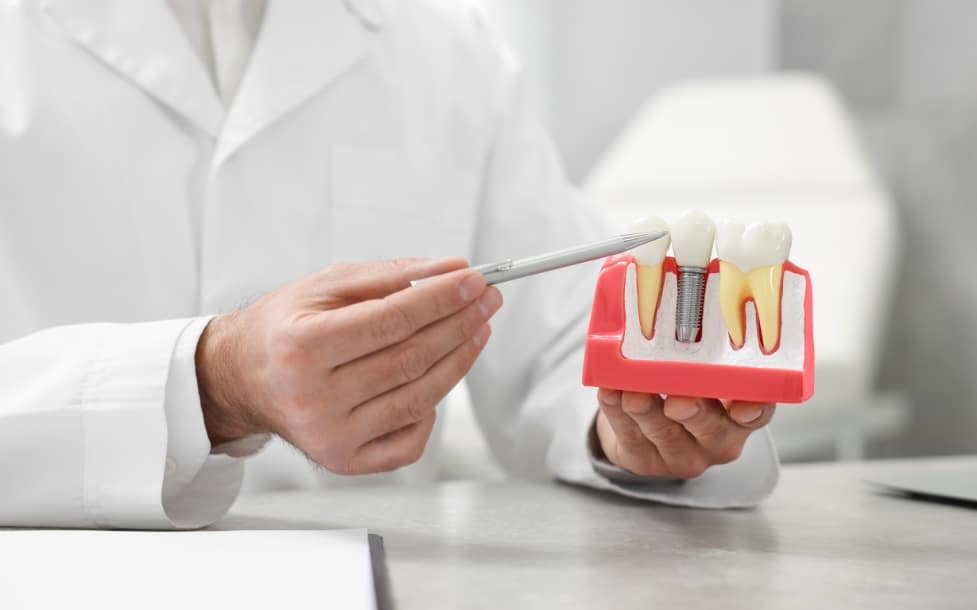
- The implant post: This biocompatible titanium screw is surgically placed into the jawbone, mimicking the root of a natural tooth. Over time, the jawbone fuses with the implant post in a process called osseointegration, creating a strong and stable foundation.
- The dental restoration: Once the implant post integrates with the jawbone, an abutment is attached, which acts as a connector. Finally, a custom-made crown is secured on the abutment, replicating the look and function of a natural tooth.
Types of Dental Implant Failure
Dental implant failure can occur in two main stages:
- Early Implant Failure: This happens within the first few months after surgery. It’s typically caused by issues like infection, improper placement, or insufficient bone healing.
- Late Implant Failure: This occurs months or even years after implant placement. It’s often related to peri-implantitis, an inflammatory condition similar to gum disease, or overloading of the implant due to excessive force.
Dental Implant Success Rates: How Common is Failure?
Despite the possibility of failure, dental implants have a very high success rate in DeForest, WI. Here’s a breakdown of the statistics and factors influencing success rates.
A. Overall Success Rates (statistics and sources)
Studies consistently report high success rates for dental implants in DeForest. According to the American Academy of Implant Dentistry (AAID), the overall success rate for dental implants is around 95%. This means that 95% of implants placed function well for at least 10 years.
Here’s a breakdown of success rates by placement:
- Single Implants: Success rate exceeding 98% [Source: National Institutes of Health (NIH)]
- Implant-Supported Bridges: Success rate around 95% [Source: Journal of Oral Implantology]
- Implant-Supported Dentures: Success rate exceeding 90% [Source: International Journal of Oral and Maxillofacial Surgery]
It’s important to remember that these are general statistics. Your individual success rate can be influenced by several factors.
B. Factors Affecting Success Rates (expand on these)
Several factors can influence the success rate of dental implants. Here are some of the most important ones:
- Patient Health: Underlying medical conditions like diabetes, uncontrolled autoimmune diseases, and osteoporosis can increase the risk of implant failure.
- Surgical Technique: The skill and experience of the dentist or oral surgeon performing the implant surgery significantly impact success rates. Choose a professional with extensive experience in implant dentistry.
- Implant Quality: The quality and material of the implant itself also play a role. Opt for implants from reputable manufacturers with a proven track record.
- Aftercare and Oral Hygiene: Maintaining excellent oral hygiene after implant placement is crucial for long-term success. Regular brushing, flossing, and professional dental cleanings are essential to prevent peri-implantitis, a leading cause of late-stage implant failure.
Risk Factors for Dental Implant Failure: Who’s Most Susceptible?
Understanding the risk factors for dental implant failure can help you make informed decisions and improve your chances of long-term success. Here are some of the key factors to consider:
A. Systemic Health Conditions:
Certain medical conditions can affect your body’s ability to heal properly and increase the risk of infection, both of which can contribute to implant failure. These conditions include:
- Diabetes: Uncontrolled diabetes can impair healing and increase the risk of infection.
- Autoimmune Diseases: Conditions like rheumatoid arthritis or lupus can affect bone health and healing.
- Osteoporosis: Weakened bones may not integrate well with the implant post.
- Cancer: Depending on the type and treatment plan, cancer can also affect healing and increase infection risk.
B. Smoking and Tobacco Use:
Smoking significantly reduces blood flow to the gums and bones, hindering healing and increasing the risk of peri-implantitis. Tobacco use in any form (cigarettes, chewing tobacco) is a major risk factor for implant failure.
C. Gum Disease (Periodontitis):
Active gum disease can compromise the health of the jawbone and surrounding tissues. If gum disease isn’t effectively treated before implant surgery, it can lead to implant failure.
D. Weak Jawbone Density:
Dental implants rely on sufficient bone density in the jaw for proper osseointegration. If your jawbone is naturally weak or has been resorbed due to missing teeth, bone grafting procedures may be necessary to create a strong foundation for the implant.
E. Bruxism (Teeth Grinding):
People who grind or clench their teeth excessively (bruxism) can put excessive stress on dental implants, increasing the risk of fracture or loosening over time.
It’s important to note that having one or more of these risk factors doesn’t necessarily mean you can’t get dental implants. However, it’s crucial to discuss these factors with your dentist to determine if you’re a good candidate for implants and what steps can be taken to minimize the risk of failure.
Preventing Dental Implant Failure: What You Can Do
While there’s no guaranteed way to eliminate the risk of dental implant failure entirely, several proactive steps can significantly increase your chances of long-term success. Here’s how you can take control and maximize the success of your dental implants:
A. Choosing a Qualified Dentist:
- Experience and Certifications: Look for a dentist with extensive experience in implant dentistry and certifications from recognized organizations like the American Academy of Implant Dentistry (AAID).
- Technology and Techniques: Inquire about the technology and surgical techniques used by the dentist. Modern techniques like 3D cone beam imaging and computer-guided surgery can enhance precision and improve outcomes.
- Consultation and Communication: Schedule a consultation to discuss your goals, medical history, and any concerns you might have. Choose a dentist who listens attentively, explains the procedure thoroughly, and addresses your questions clearly.
B. Pre-Operative Assessment & Planning:
- Thorough Medical Evaluation: Be upfront with your dentist about any medical conditions you have. They will likely request medical records and clearance from your primary physician to ensure implant surgery is safe for you.
- Dental Examination and X-rays: A comprehensive dental exam, including X-rays and potentially 3D scans, will assess your jawbone health, determine implant placement, and identify any underlying dental issues that need to be addressed before surgery.
C. Maintaining Excellent Oral Hygiene:
- Brushing and Flossing: Impeccable oral hygiene is paramount for long-term implant success. Brush twice daily with a soft-bristled toothbrush and floss meticulously around the implant site to remove plaque and bacteria.
- Antibacterial Mouthwash: Consider using an antibacterial mouthwash as recommended by your dentist to further reduce bacterial build-up.
- Regular Dental Cleanings: Schedule regular professional cleanings with your dentist to remove any stubborn plaque or tartar buildup that brushing and flossing alone might miss.
D. Quitting Smoking Before and After Surgery:
If you smoke, quitting smoking is one of the best things you can do to improve your chances of implant success. Smoking significantly hinders healing and increases the risk of infection. Ideally, quit smoking well before surgery and avoid tobacco use during the healing period.
E. Following Post-Operative Instructions:
- Diet: Following implant surgery, your dentist will provide specific dietary instructions. It’s crucial to adhere to a soft diet initially to allow the implant site to heal properly.
- Medications: Take any prescribed medications (pain relievers or antibiotics) exactly as directed by your dentist.
- Rest and Recuperation: Allow yourself adequate time to rest and heal after surgery. Avoid strenuous physical activity that could put undue stress on the implant site.
By following these steps and maintaining good oral hygiene habits, you can significantly reduce the risk of dental implant failure and enjoy your implants for many years to come.
Recognizing Signs of Dental Implant Failure: What to Look For
Early detection of potential problems can help prevent complete implant failure and allow for timely intervention. Here are some signs to watch out for:
- Pain or Discomfort Around the Implant Site: While some discomfort is expected after surgery, persistent pain around the implant that worsens over time could indicate a problem.
- Swelling or Redness of the Gums: Inflammation and redness around the implant site can be signs of infection.
- Loose Implant or Crown: If the implant feels loose or the crown feels shaky, it could be a sign of implant failure or a loose abutment screw.
- Pus Drainage Around the Implant: Pus drainage is a clear indication of infection and requires immediate attention from your dentist.
If you experience any of these signs, it’s crucial to schedule an appointment with your dentist right away. Early diagnosis and treatment can often salvage the implant and prevent further complications.
What Happens if a Dental Implant Fails?
Even with the best precautions, there’s a slight chance of dental implant failure. If this occurs, here’s what you can expect:
A. Diagnosis and Evaluation of the Problem:
- Your dentist will conduct a thorough examination to diagnose the cause of the failure. This may involve X-rays, probing the implant site, and possibly additional tests.
- Depending on the severity and cause of the failure, your dentist will discuss treatment options with you.
B. Treatment Options for Implant Failure:
The treatment approach for a failed implant depends on the specific situation:
- Early Failure: In some cases of early failure, the implant may be salvageable if the problem is addressed promptly. This might involve removing and cleaning the implant and allowing the site to heal before re-inserting it.
- Late Failure: For late-stage failures, the implant may need to be removed entirely. In such cases, your dentist will discuss options for replacing the implant or exploring alternative tooth replacement solutions like bridges or dentures.
C. Cost Considerations of Fixing a Failed Implant:
The cost of addressing a failed implant can vary depending on the complexity of the case and the treatment required. It’s generally not covered by dental insurance as it’s considered a complication. If you’re concerned about the cost, discuss payment options with your dentist’s office.
While implant failure isn’t ideal, it’s important to remember that it’s not necessarily the end of the road. With proper diagnosis and treatment, you can still achieve a successful outcome.
Maximizing Your Dental Implant Success
Dental implants are a remarkable advancement in dentistry, offering a natural-looking and long-lasting solution for replacing missing teeth. While there’s a small possibility of failure, understanding the risk factors and taking proactive steps can significantly increase your chances of long-term success.
Here are some key takeaways to remember:
- Choosing the Right Dentist and Procedure: Selecting a qualified and experienced dentist with a proven track record in implant dentistry is crucial. Discuss your goals, medical history, and any concerns you might have during the consultation.
- Maintaining Good Oral Hygiene is Key: Impeccable oral hygiene practices like meticulous brushing, flossing, and regular dental cleanings are essential to prevent peri-implantitis, a leading cause of implant failure.
- Open Communication with Your Dentist Ensures Long-Term Success: Be upfront with your dentist about your medical history and any risk factors. Maintaining open communication throughout the process allows them to address any concerns and ensure a successful outcome.
By following these recommendations and prioritizing good oral health, you can maximize the benefits of your dental implants in DeForest and enjoy a beautiful, functional smile for years to come.
Frequently Asked Questions
How long do dental implants typically last?
With proper care and maintenance, dental implants can last a lifetime for many patients. Studies suggest a success rate exceeding 90% after 10 years. However, factors like overall health, oral hygiene habits, and lifestyle choices can influence their longevity.
Does insurance cover implant failure?
Dental insurance typically covers the initial placement of dental implants but may not cover the cost of addressing implant failure. It’s considered a complication and might fall under a separate exclusion in your policy. Be sure to check your specific dental insurance plan for details.
What are the alternatives to dental implants?
If you’re not a suitable candidate for dental implants or implant failure occurs, alternative tooth replacement options are available. These include:
Dental Bridges: Anchored to surrounding teeth, bridges can replace one or more missing teeth. However, they may require modification of healthy teeth.
Dentures: Traditional dentures replace a full arch of missing teeth and can be removable or implant-supported for improved stability.