821 S Main St, DeForest, Wisconsin 53532
Understanding Gum Health After Dental Implants: A Comprehensive Guide
DeForest, WI

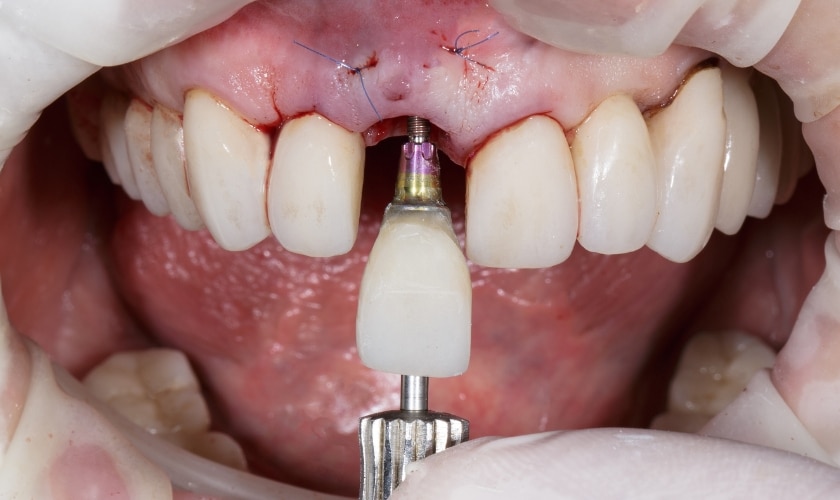
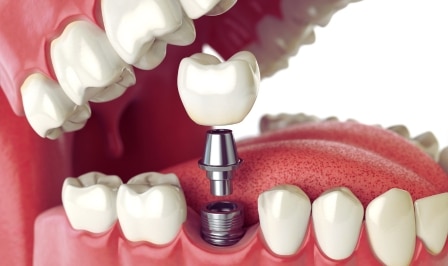
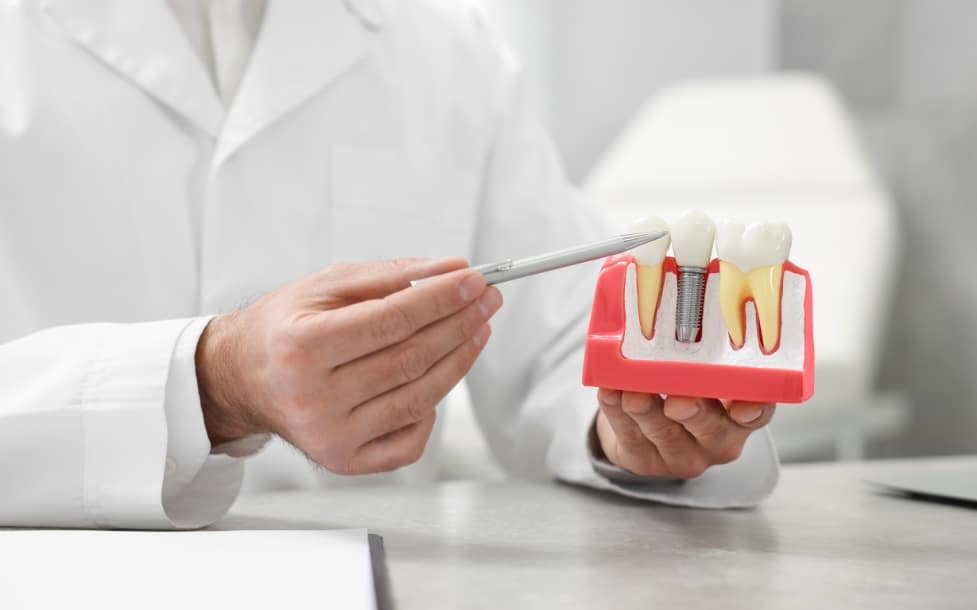
Dental implants are a revolutionary tooth replacement solution, offering a natural-looking and long-lasting alternative to traditional bridges or dentures. These implants act as artificial tooth roots, surgically placed in your jawbone to provide a stable foundation for replacement teeth like crowns or bridges.
But for dental implants to thrive, healthy gums are just as crucial as a strong jawbone. Gums, also known as periodontal tissue, play a vital role in:
- Supporting and stabilizing your teeth, including implants.
- Protecting the underlying bone from infection.
- Creating a seal around the teeth to prevent bacteria from entering.
Gum recession, a condition where the gum tissue shrinks away from the teeth, can pose a significant threat to dental implants. When this happens, the supporting bone structure becomes exposed, increasing the risk of implant failure and infection.
Can Gums Really Grow Back After Implant Surgery?
While our bodies are incredible at healing, unfortunately, gums don’t naturally regrow once they recede. This is because gum tissue lacks the same regenerative properties as some other tissues in the body.
Here’s why natural regrowth isn’t possible:
- Limited blood supply: The gum tissue furthest from the teeth has a poorer blood supply, hindering its ability to repair itself effectively.
- Lack of stem cells: Stem cells are essential for tissue regeneration. Unfortunately, the gum tissue lacks a significant number of these cells.
However, this doesn’t mean there’s no hope! The good news is that modern dentistry offers several effective gum treatment options to address gum recession and promote healthy tissue around implants.
Gum Treatment Options for Implant Patients
Even if you’ve experienced some gum recession, achieving optimal gum health around your implants is still possible. Here’s a breakdown of some effective treatment options:
1. Bone Grafting Procedures:
In some cases, gum recession can be accompanied by bone loss in the jaw. This can happen due to gum disease or the natural process of healing after tooth extraction. To create a stable foundation for implants and healthy gum tissue, bone grafting procedures might be necessary.
There are different types of bone grafting techniques, and your nearest DeForest dentist will recommend the most suitable one based on your specific situation. Here are two common approaches:
- Socket preservation graft: This procedure is often performed after tooth extraction to preserve the jawbone volume at the extraction site, making it ideal for future implant placement.
- Sinus lift: This specialized graft is used in the upper jaw when there’s insufficient bone height due to the presence of the maxillary sinus. The graft helps create a suitable base for implant placement.
2. Gum Grafting Techniques:
Once sufficient bone support is established, gum grafting techniques can be used to restore lost gum tissue around implants. These procedures involve transplanting healthy gum tissue from another area of your mouth or using donor tissue. Here are some common gum grafting methods:
- Connective tissue graft: This technique uses a small piece of tissue taken from the roof of your mouth to reinforce the thin gum tissue around the implant.
- Free gingival graft: Similar to a connective tissue graft, this method utilizes a piece of gum tissue from another area of your mouth, but it includes a portion of the outer layer of gum tissue for added volume and aesthetics.
- Pedicle graft: This approach involves mobilizing a flap of gum tissue adjacent to the implant site and rotating it to cover the exposed area.
3. Minimally Invasive Procedures for Early Gum Recession:
If you’re experiencing mild gum recession around your implants, minimally invasive procedures might be an option. These techniques aim to stimulate the growth of existing gum tissue and prevent further recession. Some examples include:
- Scaling and root planing: This deep cleaning procedure removes plaque and tartar buildup from the tooth surfaces and below the gum line, creating a healthy environment for gum tissue to heal.
- Acellular dermal matrix graft: This technique involves placing a collagen membrane derived from pig or cow tissue under the gum tissue. The membrane acts as a scaffolding, promoting the growth of your own gum tissue.
By discussing your specific situation with your dentist near DeForest, you can determine the most appropriate treatment option to restore healthy gum tissue and ensure the long-term success of your dental implants in DeForest.
Maintaining Healthy Gums Around Implants
Prevention is always better than cure! Here are some crucial practices to maintain healthy gums and prevent gum recession around your implants:
1. Brushing and Flossing Techniques for Implant Care:
- Brushing: Use a soft-bristled toothbrush and gentle circular motions to clean the surfaces of your teeth and implants twice a day. Pay particular attention to the area where the implant meets the gum tissue.
- Flossing: Daily flossing is essential to remove plaque and food particles from between teeth and implants, where brushing can’t reach. Use a special implant flosser or a soft, interdental brush to clean these areas effectively.
2. Importance of Regular Dental Checkups and Cleanings:
Schedule regular dental checkups and cleanings with your DeForest dentist, typically every six months. These visits allow your dentist in DeForest to monitor your gum health for any signs of inflammation or recession around the implants. Early detection and intervention are crucial for preventing further problems.
3. Lifestyle Habits that Impact Gum Health:
- Smoking: Smoking is a major risk factor for gum disease and can significantly increase the chances of implant failure. Quitting smoking is one of the best things you can do for your overall health, including your gums and implants.
- Diet: A healthy diet rich in fruits, vegetables, and whole grains provides your body with the essential nutrients it needs to maintain healthy gums. Conversely, a diet high in sugar or processed foods can contribute to gum inflammation and disease.
By following these practices and maintaining a healthy lifestyle, you can significantly reduce the risk of gum recession and ensure the long-term success of your dental implants in DeForest.
Frequently Asked Question
Can I still get implants if I have gum disease?
While gum disease can complicate implant placement, it doesn’t necessarily disqualify you. With successful gum disease treatment and healthy gums for a specific period, you might still be a candidate for implants. Discuss your situation with your dentist to determine the best course of action.
What are the signs of gum problems around implants?
Signs of gum problems around implants can include:
1. Redness, swelling, or bleeding of the gums around the implant
2. Increased sensitivity or pain around the implant
3. Pus drainage from the implant site
4. Loosening of the implant
5. Receding gum tissue, exposing the implant surface
Does dental insurance cover gum treatment for implants?
Dental insurance coverage for gum treatment for implants can vary depending on your specific plan. It’s best to contact your insurance provider to understand what procedures your plan covers.