821 S Main St, DeForest, Wisconsin 53532

Is It Time? Signs Pointing to Wisdom Teeth Extraction in Deforest, Wisconsin
DeForest, WI


In the peaceful town of DeForest, Wisconsin, where oral health is paramount to overall well-being, the question often arises: “Is it time for wisdom teeth extraction?” Wisdom teeth, also known as third molars, can bring about a range of dental concerns, and their extraction is a common dental procedure. This introduction delves into the pivotal topic of recognizing the signs that point to wisdom teeth extraction in DeForest, Wisconsin. We’ll explore the significance of wisdom teeth, their potential impact on oral health, and the telltale signs that individuals should heed, ensuring timely intervention to maintain a healthy and comfortable smile in this serene Wisconsin community.
Understanding Wisdom Teeth
1. Third Set of Molars:
– Wisdom teeth, also known as third molars, are the last set of molars located at the back of the mouth. Most people have four wisdom teeth, with two in the upper jaw and two in the lower jaw. They typically begin to emerge in late adolescence or early adulthood, usually between the ages of 17 and 25.
2. Historical Significance and Evolution:
– Wisdom teeth are remnants of our ancestors’ dietary habits, which often included coarse, tough foods that required extensive chewing. As human diets have evolved, our jaws have become smaller, and there is often insufficient space in the mouth for the proper eruption and alignment of wisdom teeth. This mismatch between our jaw size and the number of teeth is one reason why wisdom teeth can frequently lead to dental problems.
The Importance of Wisdom Teeth Evaluation
1. Prevent Potential Oral Health Issues:
– Wisdom teeth can often become impacted, meaning they do not fully emerge from the gums or do so at an angle. Impacted wisdom teeth can lead to a range of oral health problems, including pain, infection, gum disease, and damage to adjacent teeth. Regular evaluation by a dentist allows for the early detection of potential issues, enabling proactive measures such as extraction to prevent complications.
2.Preserve Overall Dental Health:
– Wisdom teeth evaluations are a crucial component of maintaining overall dental health. Timely identification and management of problematic wisdom teeth can prevent the development of more severe dental conditions that could affect the alignment of teeth, the health of adjacent teeth, and the comfort and functionality of the mouth. By undergoing regular evaluations, individuals can preserve their dental well-being and avoid unnecessary discomfort or dental procedures.
Common Signs Indicating Wisdom Teeth Extraction
1. Pain and Discomfort:
– Persistent or recurring pain in the back of the mouth, often accompanied by tenderness, can be a sign that wisdom teeth are causing issues. Pain may be felt in the jaw, ear, or throat.
2. Impaction:
– Wisdom teeth frequently become impacted due to lack of space in the mouth. Impacted wisdom teeth can cause swelling, pain, and infection. Visible signs of impaction include swollen gums and difficulty opening the mouth fully.
3. Swelling and Infection:
– Infection around a wisdom tooth, known as pericoronitis, can lead to swelling, redness, and discomfort. This condition can recur if the wisdom tooth is not removed.
4. Changes in Bite or Tooth Alignment:
– Wisdom teeth can exert pressure on adjacent teeth, causing them to shift or become misaligned. This can lead to bite problems, difficulty chewing, and potential damage to other teeth.
5. Gum Issues:
– Wisdom teeth can contribute to gum problems, such as gum disease (periodontitis) or gum inflammation (gingivitis). Symptoms may include bleeding gums, sensitivity, or pockets of infection around the wisdom teeth.
The Wisdom Teeth Extraction Process
1. Initial Evaluation and X-Rays:
– Before the extraction, your dentist or oral surgeon will conduct a thorough evaluation, including X-rays, to assess the position, size, and orientation of the wisdom teeth. This evaluation helps determine the best approach for extraction.
2. Extraction Procedure:
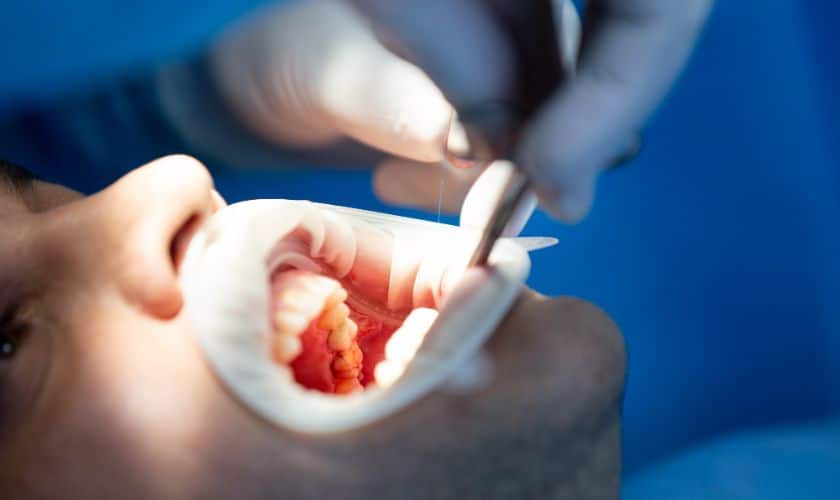
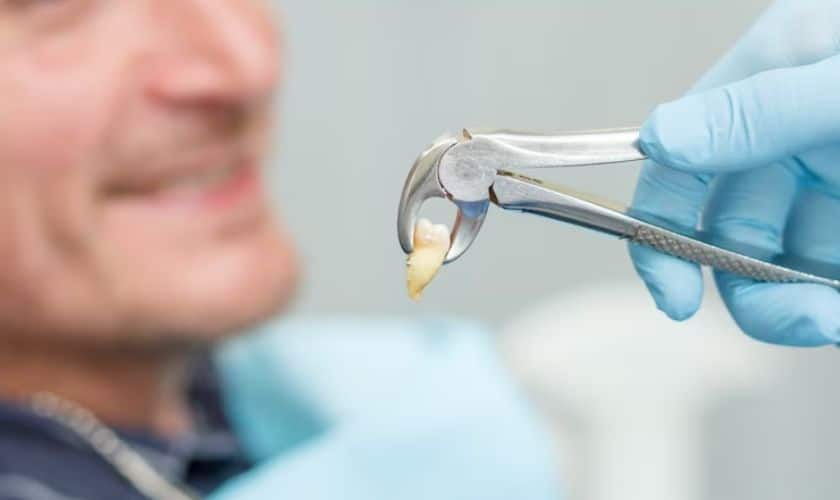
– Wisdom teeth extraction is typically performed under local anesthesia, intravenous (IV) sedation, or general anesthesia, depending on the complexity of the case and patient preferences. During the procedure, the dentist or oral surgeon will make an incision in the gum tissue if needed, remove the wisdom tooth, and suture the site as necessary. After the extraction, patients receive post-operative care instructions to ensure a smooth recovery.
Choosing a Dentist or Oral Surgeon in DeForest, Wisconsin
1. Experience and Expertise:
– Look for a dentist or oral surgeon with a proven track record of performing wisdom teeth extractions. Experience and expertise in oral surgery are crucial for a successful and comfortable procedure. Inquire about the number of extractions they have performed and their familiarity with various extraction techniques.
2. Anesthesia and Sedation Options:
– Discuss anesthesia and sedation options with the dental professional. Some individuals may prefer local anesthesia, while others may opt for IV sedation or general anesthesia for a more comfortable and anxiety-free experience. Ensure that the chosen provider offers the anesthesia option that aligns with your needs and preferences.
Preparation and Recovery
1. Preparation:
– Before the procedure, follow any pre-operative instructions provided by your dentist or oral surgeon. This may include fasting (no food or drink) for a specific period before surgery if you’ll be receiving anesthesia. It’s essential to arrange for transportation to and from the appointment, as you may not be in a condition to drive after the extraction.
2. Recovery:
– After wisdom teeth extraction, you’ll receive post-operative care instructions. These typically include:
– Managing Pain: Taking prescribed or over-the-counter pain medication as directed to manage discomfort.
– Bite on Gauze: Biting on gauze pads to control bleeding.
– Diet: Consuming soft foods and liquids for the first few days, gradually reintroducing solid foods as tolerated.
– Oral Hygiene: Maintaining oral hygiene by gently rinsing with saltwater and avoiding vigorous brushing around the extraction site.
– Avoiding Certain Activities: Refraining from smoking, using straws, or engaging in strenuous activities that may disrupt the healing process.
In DeForest, Wisconsin, recognizing the signs indicating the need for wisdom teeth extraction is crucial for maintaining oral health and comfort. The wisdom teeth extraction process, when performed by a skilled professional, can alleviate pain and prevent future dental issues. Proper preparation and post-operative care ensure a smooth recovery, allowing individuals to enjoy a pain-free and healthy smile.